Genre
zimdancehall
Top Zimdancehall Artists
Showing 24 of 24 artists



About Zimdancehall
Zimdancehall is Zimbabwe's answer to the pulsating energy of Jamaican dancehall, a homegrown reinterpretation that blends raucous riddims with local languages and urban storytelling. It emerged in the late 1990s and early 2000s as mobile sound systems, bottle-store gigs, and street parties fermented a vibrant street culture. Producers adapted Jamaican rhythms to Zimbabwean realities, accelerating tempos and sharpening the bass to suit car stereo systems and outdoor stages. The genre quickly developed its own vocabulary—patois-laced phrases, local slang, and vivid references to township life, buses, and hustle—creating something recognizably Zimbabwean while still dancing to global reggae influence.
The core sound is a heavyweight, bass-forward dancehall beat, designed for a crowd that sings along and pushes forward on the chorus. Lyrics frequently address hardship, resilience, romance, and social commentary, often delivered with a rapid-fire flow in Shona and Ndebele, sometimes English. The result is both club-ready and radio-friendly, with tracks that survive on dance challenges, social media clips, and compelling visuals. Zimdancehall also cultivates a strong live-circuit culture: clashes, cyphers, and karaoke-style performances where fans quote verses and celebrate the artistry of improvisation and cadence.
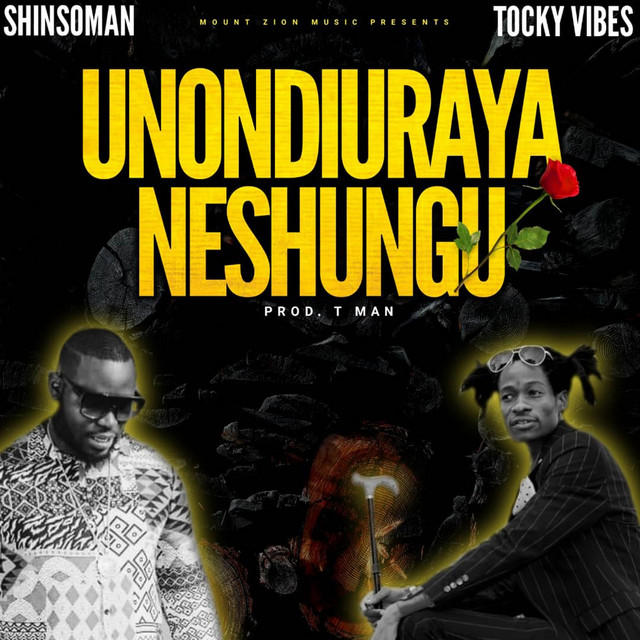
Among the genre’s most influential ambassadors are Winky D, widely regarded as a driving force and one of the movement’s most consistent storytellers; Soul Jah Love, whose emotive delivery and street-level narratives earned him a loyal following; and Enzo Ishall, who helped catapult zimdancehall into mainstream national headlines with breakout tracks in the mid-2010s. In recent years, younger talents like Tocky Vibes have also bridged genres and expanded the audience, showing the genre’s flexibility through collaborations and cross-pollination with hip-hop and Afro-pop.
Zimdancehall is most popular in Zimbabwe, where urban centers like Harare and Bulawayo are its main hubs. It also resonates in Mozambique and South Africa, especially among Zimbabwean migrants and regional fans who attend events along the Limpopo corridor. The diaspora in the United Kingdom, the United States, Canada, and parts of Europe and the Middle East keeps the sound alive through online streams, live uploads, and diaspora-hosted concerts. The culture’s vitality is reinforced by a robust online presence, with music videos, lyric posts, and dance challenges that propel tracks far beyond their local origins.
If you crave high-energy storytelling with a distinctly Zimbabwean voice, zimdancehall offers a lens into city life, language hybridity, and music as resistance and celebration. It continues to evolve—a frictional blend of dancehall nostalgia and contemporary urban soundscapes—proof that Zimbabwe’s street culture remains a powerful engine for global dance music.
Notable trends shaping zimdancehall today include cross-genre collaborations, with producers and artists blending amapiano, Afrobeat, and hip-hop textures into the traditional dancehall riddim. Video styling leans into urban fashion, dance, and storytelling, while radio and online platforms broaden access for new acts. A cross-border circuit across Zimbabwe’s SADC neighbors and the Zimbabwean diaspora creates a pan-regional scene, with sound clashes and tours fueling momentum. The language mix—Shona, Ndebele, and English—remains a marker of identity, and the genre continues to offer a voice to youth navigating urban life, politics, and hope.
The core sound is a heavyweight, bass-forward dancehall beat, designed for a crowd that sings along and pushes forward on the chorus. Lyrics frequently address hardship, resilience, romance, and social commentary, often delivered with a rapid-fire flow in Shona and Ndebele, sometimes English. The result is both club-ready and radio-friendly, with tracks that survive on dance challenges, social media clips, and compelling visuals. Zimdancehall also cultivates a strong live-circuit culture: clashes, cyphers, and karaoke-style performances where fans quote verses and celebrate the artistry of improvisation and cadence.
Among the genre’s most influential ambassadors are Winky D, widely regarded as a driving force and one of the movement’s most consistent storytellers; Soul Jah Love, whose emotive delivery and street-level narratives earned him a loyal following; and Enzo Ishall, who helped catapult zimdancehall into mainstream national headlines with breakout tracks in the mid-2010s. In recent years, younger talents like Tocky Vibes have also bridged genres and expanded the audience, showing the genre’s flexibility through collaborations and cross-pollination with hip-hop and Afro-pop.
Zimdancehall is most popular in Zimbabwe, where urban centers like Harare and Bulawayo are its main hubs. It also resonates in Mozambique and South Africa, especially among Zimbabwean migrants and regional fans who attend events along the Limpopo corridor. The diaspora in the United Kingdom, the United States, Canada, and parts of Europe and the Middle East keeps the sound alive through online streams, live uploads, and diaspora-hosted concerts. The culture’s vitality is reinforced by a robust online presence, with music videos, lyric posts, and dance challenges that propel tracks far beyond their local origins.
If you crave high-energy storytelling with a distinctly Zimbabwean voice, zimdancehall offers a lens into city life, language hybridity, and music as resistance and celebration. It continues to evolve—a frictional blend of dancehall nostalgia and contemporary urban soundscapes—proof that Zimbabwe’s street culture remains a powerful engine for global dance music.
Notable trends shaping zimdancehall today include cross-genre collaborations, with producers and artists blending amapiano, Afrobeat, and hip-hop textures into the traditional dancehall riddim. Video styling leans into urban fashion, dance, and storytelling, while radio and online platforms broaden access for new acts. A cross-border circuit across Zimbabwe’s SADC neighbors and the Zimbabwean diaspora creates a pan-regional scene, with sound clashes and tours fueling momentum. The language mix—Shona, Ndebele, and English—remains a marker of identity, and the genre continues to offer a voice to youth navigating urban life, politics, and hope.