Genre
zouglou
Top Zouglou Artists
Showing 25 of 78 artists









About Zouglou
Zouglou is a distinctly Ivorian music genre and dance that emerged in Abidjan during the 1990s, blossoming from street choirs of students and workers who turned everyday life into song. It grew as a voice for urban youth, addressing unemployment, social pressure, political concerns, and the humor found in daily life. The name Zouglou is often linked to the drum-driven, repetitive groove and the call-and-response format that keeps audiences involved. From its grassroots beginnings, it spread across Côte d’Ivoire and then beyond, becoming a symbol of Ivorian contemporary culture and a beacon for West African urban music.
Musically, zouglou centers on a strong, infectious groove built with percussion—traditional Ivorian drums and handclaps—often complemented by bass, keyboards, and light melodic lines. Lyrics are typically delivered in a chorus-driven style, with verses in French, Nouchi (Ivory Coast slang), and other local languages like Dioula. The vocal approach favors collective singing and dialogue between performers and dancers, creating an interactive experience on stage and on records. The sound blends samba-like bounce with polyrhythmic textures, making zouglou both club-friendly and deeply rooted in storytelling. Its tempos generally hover in a danceable range, inviting participation while offering room for wit, social critique, and irony in the lyrics.
Origins and spread can be traced to the social clubs, universities, and neighborhoods of Abidjan, where aspiring artists tested ideas and built audiences through live performances. By the late 1990s and into the early 2000s, zouglou had matured into a national phenomenon, becoming a defining strand of Ivorian popular music. It absorbed influences from other West African styles while maintaining its characteristic choral energy, accordions of humor, and pointed social commentary. The genre’s dual function—to entertain and to reflect—made it a resilient force during periods of social and political change, and it helped foster a generation of musicians who spoke directly to everyday life in Côte d’Ivoire.
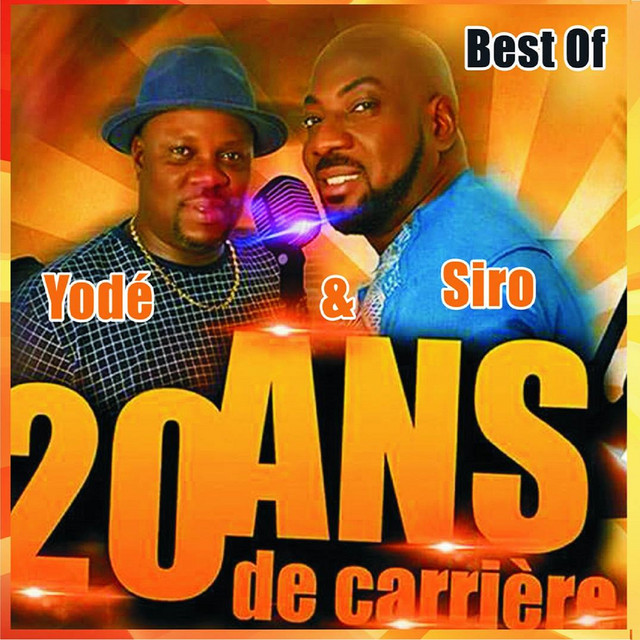
Ambassadors and notable artists have played a crucial role in shaping zouglou’s profile. The international face of the genre is most often associated with Magic System, whose blend of zouglou-inflected pop, dance, and Afrohouse helped push Ivorian music onto global stages with hits like Premier Gaou. Within Côte d’Ivoire, groups such as Yodé & Sako became central voices of the movement, delivering sharp social observations wrapped in catchy refrains and driving zouglou to a broader, multi-generational audience. Over the years, many contemporary acts have kept the sound vibrant, collaborating with artists across Francophone Africa and beyond, ensuring that zouglou remains a living, evolving tradition rather than a historical footnote.
Geographically, zouglou is most popular in Côte d’Ivoire, but its reach extends across West Africa and into diaspora communities in France, Belgium, and other parts of Europe. In those diasporic scenes, it often blends with local sounds, producing cross-cultural fusions that preserve the genre’s storytelling core while broadening its musical vocabulary. For enthusiasts, zouglou offers a window into a city’s heartbeat—rhythmic, witty, and deeply human—an enduring testament to the ingenuity of Ivorian street culture.
Musically, zouglou centers on a strong, infectious groove built with percussion—traditional Ivorian drums and handclaps—often complemented by bass, keyboards, and light melodic lines. Lyrics are typically delivered in a chorus-driven style, with verses in French, Nouchi (Ivory Coast slang), and other local languages like Dioula. The vocal approach favors collective singing and dialogue between performers and dancers, creating an interactive experience on stage and on records. The sound blends samba-like bounce with polyrhythmic textures, making zouglou both club-friendly and deeply rooted in storytelling. Its tempos generally hover in a danceable range, inviting participation while offering room for wit, social critique, and irony in the lyrics.
Origins and spread can be traced to the social clubs, universities, and neighborhoods of Abidjan, where aspiring artists tested ideas and built audiences through live performances. By the late 1990s and into the early 2000s, zouglou had matured into a national phenomenon, becoming a defining strand of Ivorian popular music. It absorbed influences from other West African styles while maintaining its characteristic choral energy, accordions of humor, and pointed social commentary. The genre’s dual function—to entertain and to reflect—made it a resilient force during periods of social and political change, and it helped foster a generation of musicians who spoke directly to everyday life in Côte d’Ivoire.
Ambassadors and notable artists have played a crucial role in shaping zouglou’s profile. The international face of the genre is most often associated with Magic System, whose blend of zouglou-inflected pop, dance, and Afrohouse helped push Ivorian music onto global stages with hits like Premier Gaou. Within Côte d’Ivoire, groups such as Yodé & Sako became central voices of the movement, delivering sharp social observations wrapped in catchy refrains and driving zouglou to a broader, multi-generational audience. Over the years, many contemporary acts have kept the sound vibrant, collaborating with artists across Francophone Africa and beyond, ensuring that zouglou remains a living, evolving tradition rather than a historical footnote.
Geographically, zouglou is most popular in Côte d’Ivoire, but its reach extends across West Africa and into diaspora communities in France, Belgium, and other parts of Europe. In those diasporic scenes, it often blends with local sounds, producing cross-cultural fusions that preserve the genre’s storytelling core while broadening its musical vocabulary. For enthusiasts, zouglou offers a window into a city’s heartbeat—rhythmic, witty, and deeply human—an enduring testament to the ingenuity of Ivorian street culture.