Data may be outdated
Last updated: 9 months ago — Click refresh to get the latest statistics.
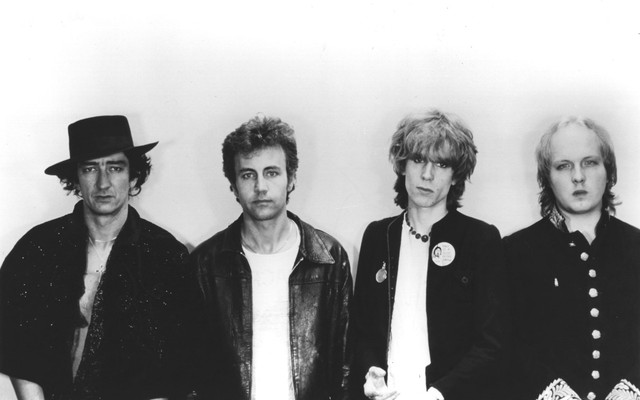
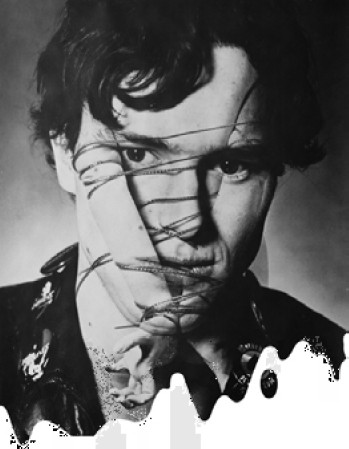
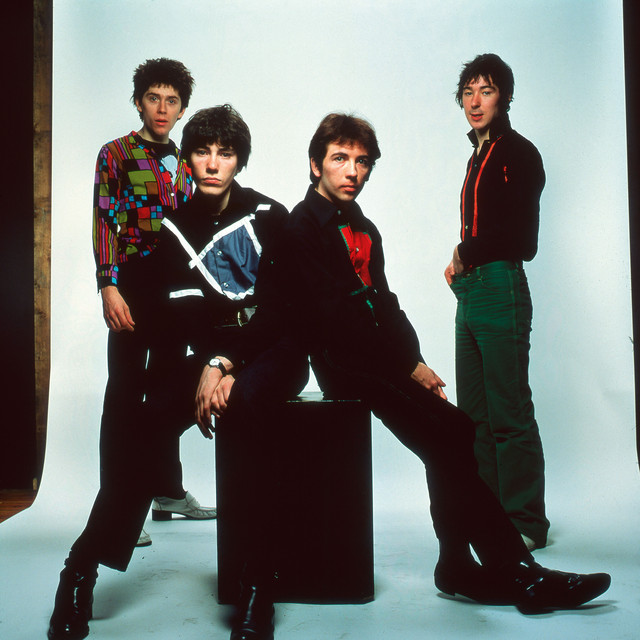
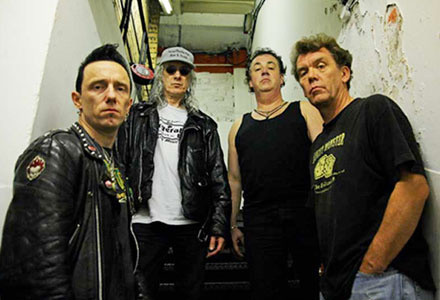
A veteran act on the London punk scene, 999 have outlived most of their peers among the bands that rose to fame during punk's first major splash in 1977. 999 didn't often employ the speedy tempos that many groups used as their trademark; instead, they played tough, straightforward rock, while the disciplined shout of lead singer Nick Cash, an effective instrument for their confrontational lyrics, gave their music a rebellious edge that pushed the songs forward. The band's second album, 1978's Separates, showed off their stripped-down original sound, and 1980's The Biggest Prize in Sport traded a bit of their punk snarl for catchier melodies and a more anthemic rock & roll sound. After breaking up for several years, 999 returned in the 1990s, and their reunion albums You Us It! (1993) and Takeover (1998) demonstrated that their take on punk rock stood the test of time.
Named for the British emergency phone number, 999 was formed by guitarist and singer Nick Cash. Under his real name, Keith Lucas, he played guitar for several years with <a href="spotify:artist:3I97dteSoWkFBMy7C2TGSH">Kilburn & the High Roads</a>, a popular pub rock band that would produce another major figure on the U.K.'s punk/new wave scene, <a href="spotify:artist:5PFSmueeFLrjYXqn3agenn">Ian Dury</a>. (<a href="spotify:artist:5PFSmueeFLrjYXqn3agenn">Dury</a> was also Lucas' tutor while he was in art school.) After <a href="spotify:artist:3I97dteSoWkFBMy7C2TGSH">Kilburn & the High Roads</a> broke up, Lucas started writing songs with Guy Days, a fellow guitarist who had sat in on recording sessions with <a href="spotify:artist:3I97dteSoWkFBMy7C2TGSH">the Kilburns</a>. When punk rock started to become the next big thing, Lucas and Days thought their new songs would suit the style, and opted to form a band. Lucas adopted the stage name Nick Cash, and after placing an ad in Melody Maker magazine, Cash and Days recruited bassist Jon Watson and drummer Pablo LaBritain (the latter of whom briefly played in an early lineup of <a href="spotify:artist:3RGLhK1IP9jnYFH4BRFJBS">the Clash</a>). In January 1977, the new group played their first show under the name the Dials, then settled on 999 as their permanent banner the following May. Regular gigging on the London club scene, including residencies at the Marquee Club and the Hope & Anchor, helped 999 win an audience, and by the time 1977 was out, they released a single, "I'm Alive" b/w "Quite Disappointing," on their own <a href="spotify:search:label%3A%22Labritain%22">Labritain</a> label. The single sold over 10,000 copies, and <a href="spotify:search:label%3A%22United+Artists%22">United Artists</a> signed 999 to a record deal.
999's self-titled first album was released in March 1978, and their second LP, Separates, came out the following October. While 999 fared well, Separates was the bigger commercial success, and featured their first major hit single, "Homicide," which edged into the U.K. Top 40. A revised edition of Separates, High Energy Plan, would become their first American release, issued by the independent <a href="spotify:search:label%3A%22PVC%22">PVC</a> label in 1979. 999 moved from <a href="spotify:search:label%3A%22United+Artists%22">United Artists</a> to <a href="spotify:search:label%3A%22Polydor%22">Polydor</a> for their third album, The Biggest Prize in Sport, which introduced a poppier, more mainstream flavor to their music. The band toured widely in support, including a long string of dates in the United States, which helped the LP make the Top 200 albums charts in America for the first time. Some of their U.S. shows were documented on the live EP The Biggest Tour in Sport, also released in 1980.
The group's mainstream leanings spread further on 1981's Concrete, which also charted in the States but was not regarded well by fans or critics; while it was released in the United States and several other territories by <a href="spotify:search:label%3A%22Polydor%22">Polydor</a>, it appeared on <a href="spotify:search:label%3A%22Albion+Records%22">Albion Records</a> in the U.K. <a href="spotify:search:label%3A%22Albion%22">Albion</a> also issued 1983's 13th Floor Madness, which found the group attempting to embrace the new romantic movement; it went unreleased in the United States and was poorly received in England. 999 revived their <a href="spotify:search:label%3A%22Labritain%22">Labritain</a> label for 1985's Face to Face, a creative return to form. Not long after it was released, Jon Watson left the band, and Danny Palmer took over on bass for the 1986 tour documented on the live album Lust Power and Money. By the time the live LP came out in 1987, the group had broken up.
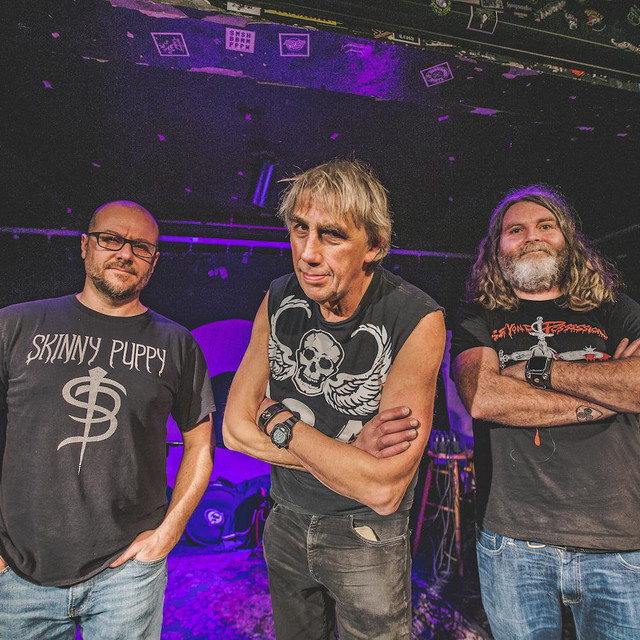
In 1993, 999 re-formed, with original members Nick Cash, Guy Days, and Pablo LaBritain joined by bassist Arturo Bassick, who also worked with <a href="spotify:artist:74eXcPVNOoTjuU17d1GBnE">the Lurkers</a>. This edition of the band quickly went into the recording studio, with the album You Us It! appearing that same year, steeped in straightforward punk rock. Live work would dominate the band's career from this point on, gigging at clubs and major punk festivals in the U.K. and Europe, as well as playing often in the United States, with the group winning a large and loyal audience in Los Angeles. They continued to record on occasion, issuing Takeover in 1998, and releasing an expanded edition of Face to Face in 1999 under the title Dancing in the Wrong Shoes.
The gritty Death in Soho broke 999's recording drought in 2007, and the band maintained their busy touring schedule, with the reunited version of the group proving to be the longest-lasting in their history, while a steady stream of live albums (both new and archival) helped fans beef up their record collections. In 2020, the first 999 studio album in 13 years arrived, Bish! Bash! Bosh!, a set of punky pop tunes with a political slant. ~ Mark Deming, Rovi
Named for the British emergency phone number, 999 was formed by guitarist and singer Nick Cash. Under his real name, Keith Lucas, he played guitar for several years with <a href="spotify:artist:3I97dteSoWkFBMy7C2TGSH">Kilburn & the High Roads</a>, a popular pub rock band that would produce another major figure on the U.K.'s punk/new wave scene, <a href="spotify:artist:5PFSmueeFLrjYXqn3agenn">Ian Dury</a>. (<a href="spotify:artist:5PFSmueeFLrjYXqn3agenn">Dury</a> was also Lucas' tutor while he was in art school.) After <a href="spotify:artist:3I97dteSoWkFBMy7C2TGSH">Kilburn & the High Roads</a> broke up, Lucas started writing songs with Guy Days, a fellow guitarist who had sat in on recording sessions with <a href="spotify:artist:3I97dteSoWkFBMy7C2TGSH">the Kilburns</a>. When punk rock started to become the next big thing, Lucas and Days thought their new songs would suit the style, and opted to form a band. Lucas adopted the stage name Nick Cash, and after placing an ad in Melody Maker magazine, Cash and Days recruited bassist Jon Watson and drummer Pablo LaBritain (the latter of whom briefly played in an early lineup of <a href="spotify:artist:3RGLhK1IP9jnYFH4BRFJBS">the Clash</a>). In January 1977, the new group played their first show under the name the Dials, then settled on 999 as their permanent banner the following May. Regular gigging on the London club scene, including residencies at the Marquee Club and the Hope & Anchor, helped 999 win an audience, and by the time 1977 was out, they released a single, "I'm Alive" b/w "Quite Disappointing," on their own <a href="spotify:search:label%3A%22Labritain%22">Labritain</a> label. The single sold over 10,000 copies, and <a href="spotify:search:label%3A%22United+Artists%22">United Artists</a> signed 999 to a record deal.
999's self-titled first album was released in March 1978, and their second LP, Separates, came out the following October. While 999 fared well, Separates was the bigger commercial success, and featured their first major hit single, "Homicide," which edged into the U.K. Top 40. A revised edition of Separates, High Energy Plan, would become their first American release, issued by the independent <a href="spotify:search:label%3A%22PVC%22">PVC</a> label in 1979. 999 moved from <a href="spotify:search:label%3A%22United+Artists%22">United Artists</a> to <a href="spotify:search:label%3A%22Polydor%22">Polydor</a> for their third album, The Biggest Prize in Sport, which introduced a poppier, more mainstream flavor to their music. The band toured widely in support, including a long string of dates in the United States, which helped the LP make the Top 200 albums charts in America for the first time. Some of their U.S. shows were documented on the live EP The Biggest Tour in Sport, also released in 1980.
The group's mainstream leanings spread further on 1981's Concrete, which also charted in the States but was not regarded well by fans or critics; while it was released in the United States and several other territories by <a href="spotify:search:label%3A%22Polydor%22">Polydor</a>, it appeared on <a href="spotify:search:label%3A%22Albion+Records%22">Albion Records</a> in the U.K. <a href="spotify:search:label%3A%22Albion%22">Albion</a> also issued 1983's 13th Floor Madness, which found the group attempting to embrace the new romantic movement; it went unreleased in the United States and was poorly received in England. 999 revived their <a href="spotify:search:label%3A%22Labritain%22">Labritain</a> label for 1985's Face to Face, a creative return to form. Not long after it was released, Jon Watson left the band, and Danny Palmer took over on bass for the 1986 tour documented on the live album Lust Power and Money. By the time the live LP came out in 1987, the group had broken up.
In 1993, 999 re-formed, with original members Nick Cash, Guy Days, and Pablo LaBritain joined by bassist Arturo Bassick, who also worked with <a href="spotify:artist:74eXcPVNOoTjuU17d1GBnE">the Lurkers</a>. This edition of the band quickly went into the recording studio, with the album You Us It! appearing that same year, steeped in straightforward punk rock. Live work would dominate the band's career from this point on, gigging at clubs and major punk festivals in the U.K. and Europe, as well as playing often in the United States, with the group winning a large and loyal audience in Los Angeles. They continued to record on occasion, issuing Takeover in 1998, and releasing an expanded edition of Face to Face in 1999 under the title Dancing in the Wrong Shoes.
The gritty Death in Soho broke 999's recording drought in 2007, and the band maintained their busy touring schedule, with the reunited version of the group proving to be the longest-lasting in their history, while a steady stream of live albums (both new and archival) helped fans beef up their record collections. In 2020, the first 999 studio album in 13 years arrived, Bish! Bash! Bosh!, a set of punky pop tunes with a political slant. ~ Mark Deming, Rovi
Monthly Listeners
62,889
Monthly Listeners History
Track the evolution of monthly listeners over the last 28 days.
Followers
55,305
Followers History
Track the evolution of followers over the last 28 days.
Top Cities
1,710 listeners

1,047 listeners
788 listeners
642 listeners

623 listeners
Related Artists

Sham 69