
Country
United Kingdom
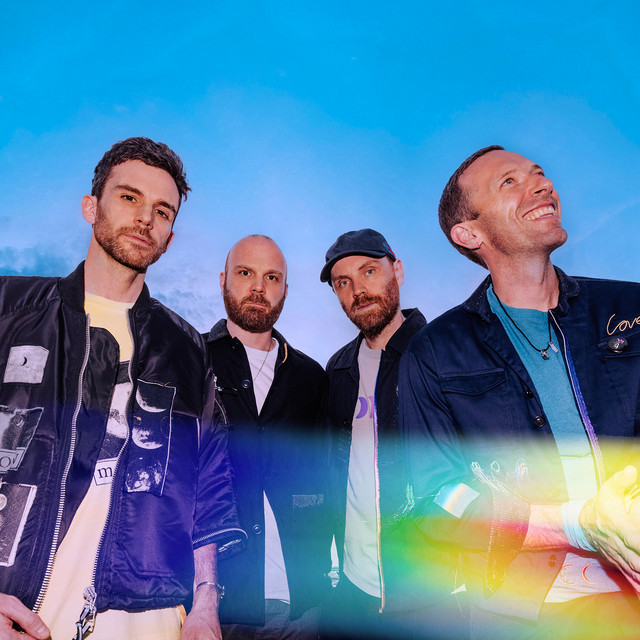
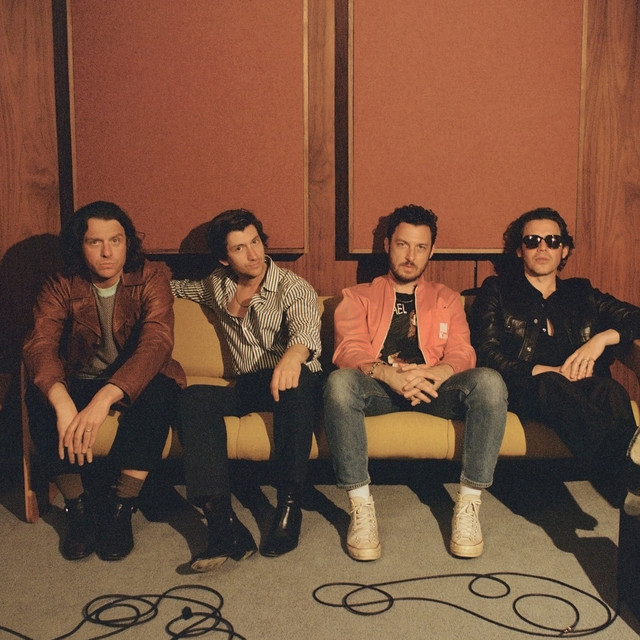
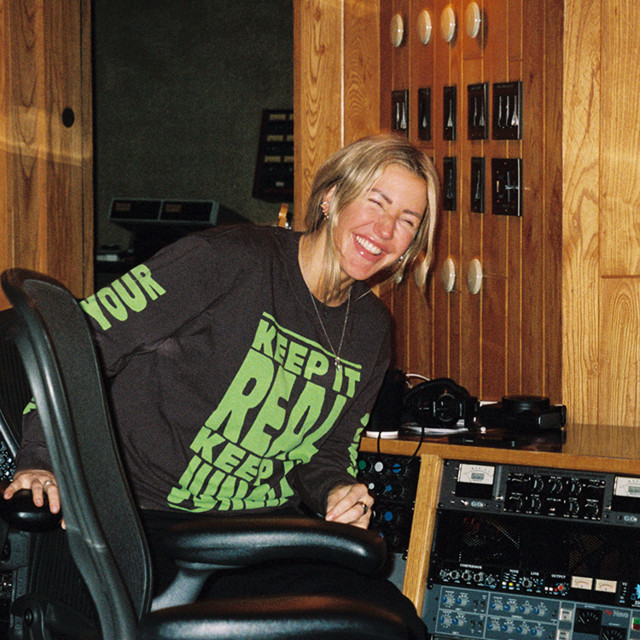
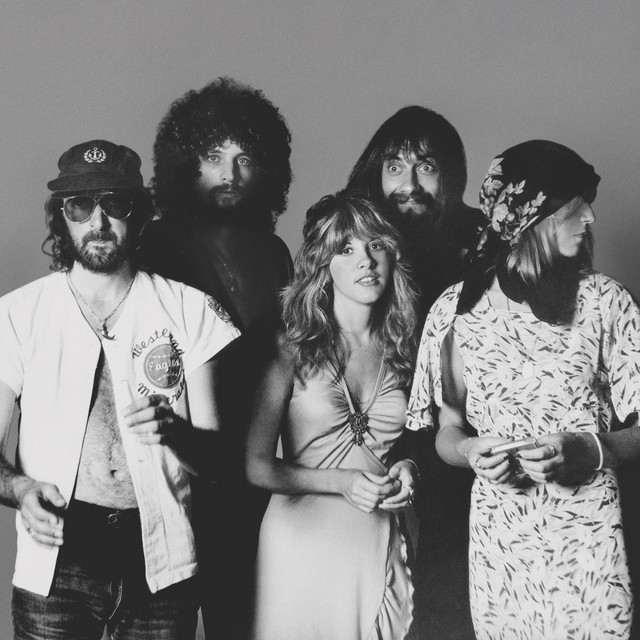
Top Artists from United Kingdom
Showing 25 of 16,152 artists













About United Kingdom
The United Kingdom, a compact archipelago nation home to roughly 67 million people, has long been a cradle of global sound. Its four constituent nations—England, Scotland, Wales, and Northern Ireland—together form a living archive of music history, from royal court songs to neon-lit club culture. For music lovers, the UK is not just a place to listen; it’s a place to study how sound travels, mutates, and travels again across borders.
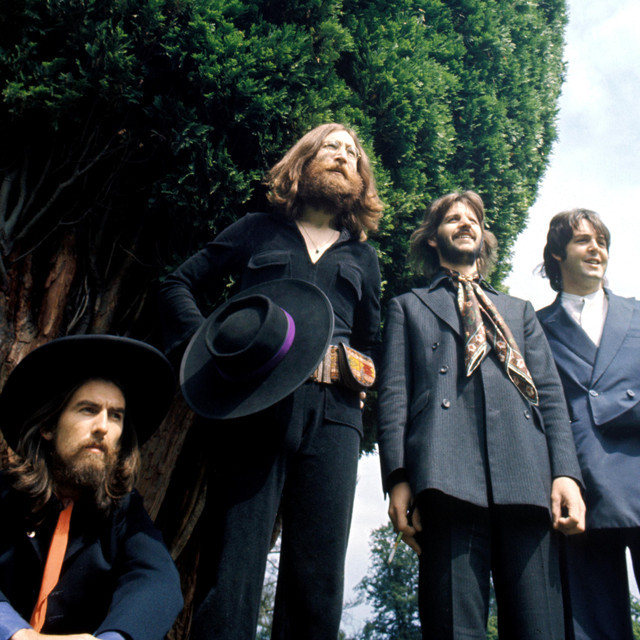
In the 1960s, the British Invasion rewired popular music worldwide. The Beatles, the Rolling Stones, the Kinks, and the Who emerged from England to reshape rock and pop’s grammar, while Pink Floyd and Led Zeppelin pushed the boundaries of studio experimentation and hard-edged ambition. Liverpool’s Cavern Club and London’s early‑indie venues became launchpads for stars who still loom large in concert halls and streaming playlists. The era’s spirit persists in today’s artists who draw on a deep well of tradition while pushing into new sonic territories.
England’s ongoing pop legacy is matched by a handful of legendary venues and festivals that remain pilgrimage sites for fans. London’s Royal Albert Hall and the O2 Arena (The O2) host everything from classical crossover to explosive arena rock. In Manchester, the iconic Manchester Arena has welcomed countless international tours, while Wales’s St. David’s Hall and Scotland’s Barrowland Ballroom in Glasgow preserve the intimate, raucous energy that fans seek. Glastonbury Festival, near Pilton in Somerset, stands as the quintessential UK music gathering—an annual convergence of chart-toppers, reissues, and breakout acts across a sprawling fields-to-sky spectrum. Other major events include the BBC Proms, which brings orchestral tradition to a wide audience in London, and Reading & Leeds, which keeps rock, metal, and alternative music in the spotlight each summer.
Britpop of the 1990s redefined British identity in music, with Oasis, Blur, Pulp, and Suede dominating stadiums and radio. In the same era and beyond, the UK gave rise to a vibrant grime and UK rap scene—Skepta, Stormzy, Dizzee Rascal, and Wiley—where urban poetry and heavy bass narratives shaped a generation and infiltrated mainstream pop. The electronic and dance spectrum also owes much to British innovators: The Prodigy, Fatboy Slim, Underworld, Aphex Twin, and Calvin Harris helped fuse club culture with mainstream radio, while Bristol’s trip-hop sound (Massive Attack, Portishead) influenced moods across genres.
Culturally, the UK’s influence has spilled into cinema, theater, and performance, with a robust network of labels, radio shows, and music education that nurtures both heritage acts and boundary-pushing newcomers. The Peel Sessions, broadcast by BBC Radio 1, famously helped launch countless artists to a global audience, while independent venues and regional scenes continue to incubate diverse sounds—from folk-inflected storytelling to experimental soundscapes.
For music enthusiasts, the United Kingdom offers a living museum of genres, scenes, and stories—historic milestones and contemporary experiments coexisting in bustling cities and intimate clubs alike. It’s a place where history doesn’t stay in the archives; it moves forward with every new chorus.
In the 1960s, the British Invasion rewired popular music worldwide. The Beatles, the Rolling Stones, the Kinks, and the Who emerged from England to reshape rock and pop’s grammar, while Pink Floyd and Led Zeppelin pushed the boundaries of studio experimentation and hard-edged ambition. Liverpool’s Cavern Club and London’s early‑indie venues became launchpads for stars who still loom large in concert halls and streaming playlists. The era’s spirit persists in today’s artists who draw on a deep well of tradition while pushing into new sonic territories.
England’s ongoing pop legacy is matched by a handful of legendary venues and festivals that remain pilgrimage sites for fans. London’s Royal Albert Hall and the O2 Arena (The O2) host everything from classical crossover to explosive arena rock. In Manchester, the iconic Manchester Arena has welcomed countless international tours, while Wales’s St. David’s Hall and Scotland’s Barrowland Ballroom in Glasgow preserve the intimate, raucous energy that fans seek. Glastonbury Festival, near Pilton in Somerset, stands as the quintessential UK music gathering—an annual convergence of chart-toppers, reissues, and breakout acts across a sprawling fields-to-sky spectrum. Other major events include the BBC Proms, which brings orchestral tradition to a wide audience in London, and Reading & Leeds, which keeps rock, metal, and alternative music in the spotlight each summer.
Britpop of the 1990s redefined British identity in music, with Oasis, Blur, Pulp, and Suede dominating stadiums and radio. In the same era and beyond, the UK gave rise to a vibrant grime and UK rap scene—Skepta, Stormzy, Dizzee Rascal, and Wiley—where urban poetry and heavy bass narratives shaped a generation and infiltrated mainstream pop. The electronic and dance spectrum also owes much to British innovators: The Prodigy, Fatboy Slim, Underworld, Aphex Twin, and Calvin Harris helped fuse club culture with mainstream radio, while Bristol’s trip-hop sound (Massive Attack, Portishead) influenced moods across genres.
Culturally, the UK’s influence has spilled into cinema, theater, and performance, with a robust network of labels, radio shows, and music education that nurtures both heritage acts and boundary-pushing newcomers. The Peel Sessions, broadcast by BBC Radio 1, famously helped launch countless artists to a global audience, while independent venues and regional scenes continue to incubate diverse sounds—from folk-inflected storytelling to experimental soundscapes.
For music enthusiasts, the United Kingdom offers a living museum of genres, scenes, and stories—historic milestones and contemporary experiments coexisting in bustling cities and intimate clubs alike. It’s a place where history doesn’t stay in the archives; it moves forward with every new chorus.