Data may be outdated
Last updated: 8 months ago — Click refresh to get the latest statistics.
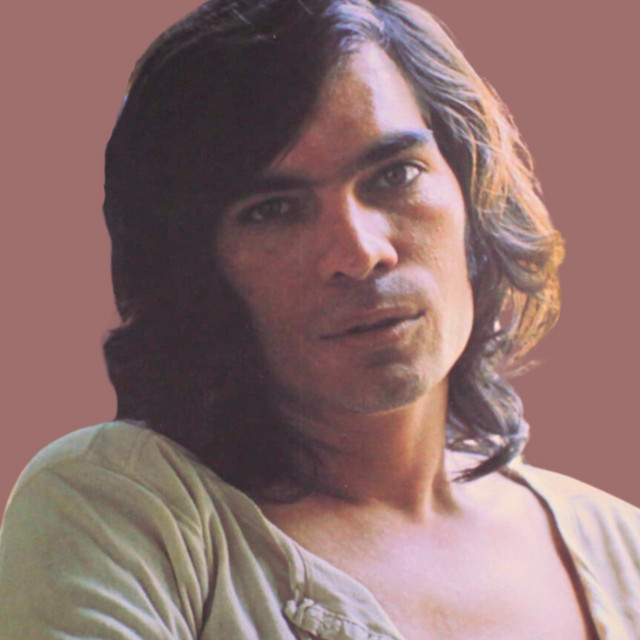
Guitarist and songwriter Al Anderson is probably still best known for his 22-year stint with roots rock renegades <a href="spotify:artist:5PpcyAkdpuo9a08HiU6yfi">NRBQ</a>, though he's distinguished himself as a gifted songwriter and solo artist since striking out on his own. Born in 1947 in Windsor, CT, Anderson was raised in a musical family, and after developing a taste for country music via the radio, he picked up a guitar and was proficient enough to begin playing with a local band, the Visuals, at the age of 11. (An out of print EP, Little Al, featured home recordings of Anderson made the year before.) After playing with several local teen combos, Anderson ended up playing guitar with a band called <a href="spotify:artist:5Ns1dtDu74romOJxfqjxgL">the Six Packs</a>, who in 1966 changed their name to <a href="spotify:artist:5Ns1dtDu74romOJxfqjxgL">the Wildweeds</a>. In 1967, the first song Anderson wrote for the band, a tough R&B-influenced tune called "No Good to Cry," became a massive hit on the East Coast and was picked up for national distribution by Cadet Records. While the song briefly cracked the Billboard Top 100 (and was covered by a Florida band called <a href="spotify:artist:52IDf3FhdVszz9cviby4WH">the Hour Glass</a>, who in time would evolve into <a href="spotify:artist:4wQ3PyMz3WwJGI5uEqHUVR">the Allman Brothers Band</a>), <a href="spotify:artist:5Ns1dtDu74romOJxfqjxgL">the Wildweeds</a> never managed to grow beyond their massive regional popularity, and their sole full-length album, a self-titled effort released by Vanguard in 1970, found them moving into a country-rock direction shortly before they broke up. (A compilation of <a href="spotify:artist:5Ns1dtDu74romOJxfqjxgL">the Wildweeds</a>' Cadet-era material was released in 2002.)
In 1971, shortly after <a href="spotify:artist:5Ns1dtDu74romOJxfqjxgL">the Wildweeds</a> folded, Anderson signed on as guitarist with <a href="spotify:artist:5PpcyAkdpuo9a08HiU6yfi">NRBQ</a>, following the departure of original guitarist Steve Ferguson. Anderson's love of country, R&B, rockabilly, and jazz made him the perfect match for the ever-eclectic group, and along with his blazing fretboard work, Anderson contributed more than a few memorable songs to the group's catalog, including "Ridin' in My Car," "It Comes to Me Naturally," "Crazy Like a Fox," and "A Girl Like That." In 1972, still owing Vanguard an album under <a href="spotify:artist:5Ns1dtDu74romOJxfqjxgL">the Wildweeds</a>' contract, Anderson cut his first solo set (simply called Al Anderson), featuring <a href="spotify:artist:5PpcyAkdpuo9a08HiU6yfi">NRBQ</a> bandmates <a href="spotify:artist:0Uh8RJyiZbRj6n2gpANXfj">Terry Adams</a> and Tom Staley, and <a href="spotify:artist:5Ns1dtDu74romOJxfqjxgL">Wildweeds</a> bassist Al Lepak. In 1989, Anderson quietly released his second solo album, Party Favors, and collaborated on tunes with noted songwriter <a href="spotify:artist:4Sld5LOPbAm1QSq9U32fFV">John Hiatt</a>. Over the next several years, Anderson began concentrating more and more on his songwriting and became disenchanted with <a href="spotify:artist:5PpcyAkdpuo9a08HiU6yfi">NRBQ</a>'s busy tour schedule. After a tune Anderson wrote for <a href="spotify:artist:2wKZKjNTOtH2vjxIsUBZqY">Carlene Carter</a>, "Every Little Thing," became a massive hit on country radio, Anderson left the band, saying he had "no hard feelings. It was a great band before, and will be a great band after."
While Anderson occasionally toured as a guitarist-for-hire for a number of country acts, he devoted the bulk of his time to his songwriting, and in time landed tunes with some of the biggest Nashville hitmakers of the 1990s, including <a href="spotify:artist:3XlIhgydjvC4EniPFZT20j">Trisha Yearwood</a>, <a href="spotify:artist:2d3VHzlOEwXvmBdS4pzOPL">LeAnn Rimes</a>, <a href="spotify:artist:6rJqqRce0Kvo2dJUXoHleC">Alabama</a>, <a href="spotify:artist:4Ud7lY9V8pOyydumajSW3O">the Mavericks</a>, and <a href="spotify:artist:0aqrM7Fo3Ml66Kc5JAzmjt">Deana Carter</a>. Anderson did find time to cut another solo album in 1996, the raucous roots rock set Pay Before You Pump, as well as the 14-track After Hours in 2006. ~ Mark Deming, Rovi
In 1971, shortly after <a href="spotify:artist:5Ns1dtDu74romOJxfqjxgL">the Wildweeds</a> folded, Anderson signed on as guitarist with <a href="spotify:artist:5PpcyAkdpuo9a08HiU6yfi">NRBQ</a>, following the departure of original guitarist Steve Ferguson. Anderson's love of country, R&B, rockabilly, and jazz made him the perfect match for the ever-eclectic group, and along with his blazing fretboard work, Anderson contributed more than a few memorable songs to the group's catalog, including "Ridin' in My Car," "It Comes to Me Naturally," "Crazy Like a Fox," and "A Girl Like That." In 1972, still owing Vanguard an album under <a href="spotify:artist:5Ns1dtDu74romOJxfqjxgL">the Wildweeds</a>' contract, Anderson cut his first solo set (simply called Al Anderson), featuring <a href="spotify:artist:5PpcyAkdpuo9a08HiU6yfi">NRBQ</a> bandmates <a href="spotify:artist:0Uh8RJyiZbRj6n2gpANXfj">Terry Adams</a> and Tom Staley, and <a href="spotify:artist:5Ns1dtDu74romOJxfqjxgL">Wildweeds</a> bassist Al Lepak. In 1989, Anderson quietly released his second solo album, Party Favors, and collaborated on tunes with noted songwriter <a href="spotify:artist:4Sld5LOPbAm1QSq9U32fFV">John Hiatt</a>. Over the next several years, Anderson began concentrating more and more on his songwriting and became disenchanted with <a href="spotify:artist:5PpcyAkdpuo9a08HiU6yfi">NRBQ</a>'s busy tour schedule. After a tune Anderson wrote for <a href="spotify:artist:2wKZKjNTOtH2vjxIsUBZqY">Carlene Carter</a>, "Every Little Thing," became a massive hit on country radio, Anderson left the band, saying he had "no hard feelings. It was a great band before, and will be a great band after."
While Anderson occasionally toured as a guitarist-for-hire for a number of country acts, he devoted the bulk of his time to his songwriting, and in time landed tunes with some of the biggest Nashville hitmakers of the 1990s, including <a href="spotify:artist:3XlIhgydjvC4EniPFZT20j">Trisha Yearwood</a>, <a href="spotify:artist:2d3VHzlOEwXvmBdS4pzOPL">LeAnn Rimes</a>, <a href="spotify:artist:6rJqqRce0Kvo2dJUXoHleC">Alabama</a>, <a href="spotify:artist:4Ud7lY9V8pOyydumajSW3O">the Mavericks</a>, and <a href="spotify:artist:0aqrM7Fo3Ml66Kc5JAzmjt">Deana Carter</a>. Anderson did find time to cut another solo album in 1996, the raucous roots rock set Pay Before You Pump, as well as the 14-track After Hours in 2006. ~ Mark Deming, Rovi
Monthly Listeners
734
Monthly Listeners History
Track the evolution of monthly listeners over the last 28 days.
Followers
1,197
Followers History
Track the evolution of followers over the last 28 days.
Top Cities
12 listeners
11 listeners
11 listeners
10 listeners
9 listeners
Related Artists
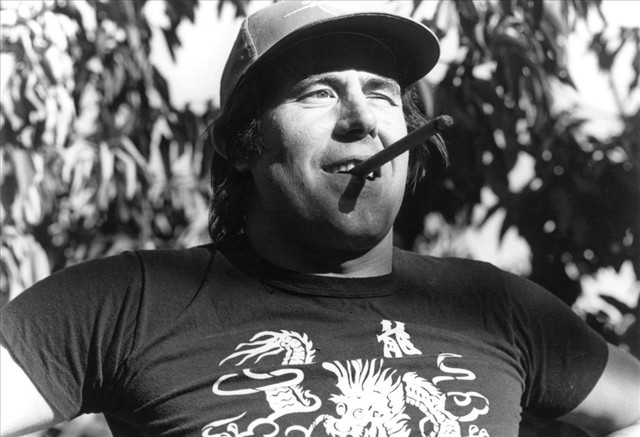


Norton Buffalo

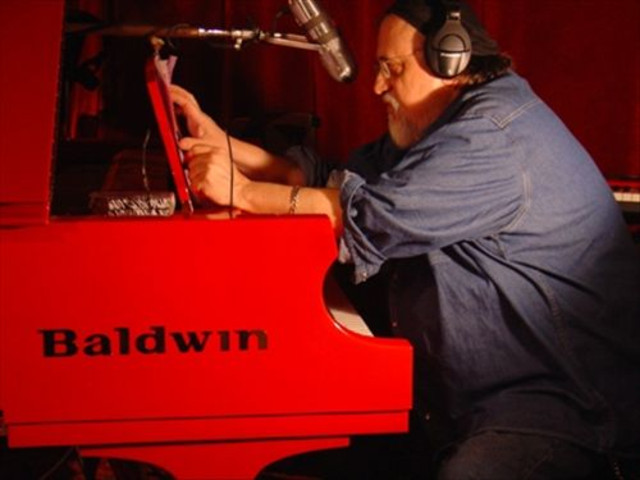




The Lil' Band O' Gold

Chilli Willi & The Red Hot Peppers

Jeffrey Frederick
Casey Kelly
Chris Gaffney
Big Al Anderson and the Balls

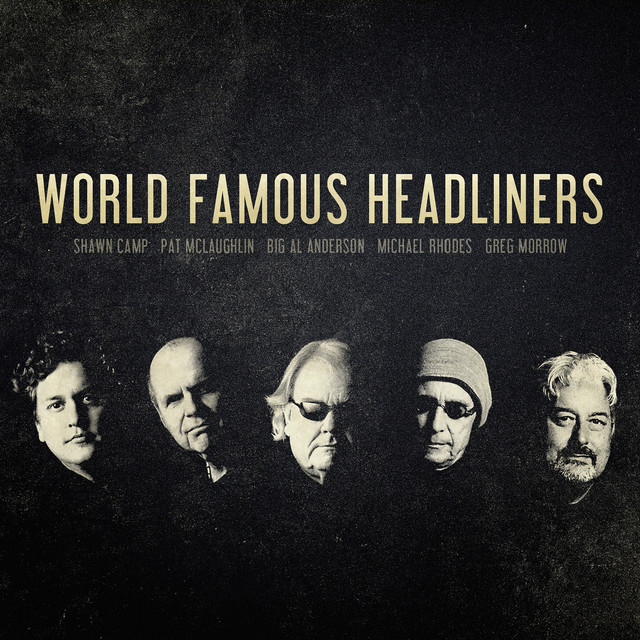
World Famous Headliners

Roger Tillison
Lowell George
The David Bromberg Band

Heads, Hands and Feet
Elvin Bishop Group

Commander Cody and the Lost Planet Airmen
Dave Alvin & The Guilty Men

Danny Epps

Rick Dinsmore

Carlos Guitarlos
Phil Lee
The Clamtones


Nashville West
Mudboy and the neutrons
Tronsgaard Delight

Randy Weeks