Genre
rockabilly
Top Rockabilly Artists
Showing 25 of 6,864 artists


About Rockabilly
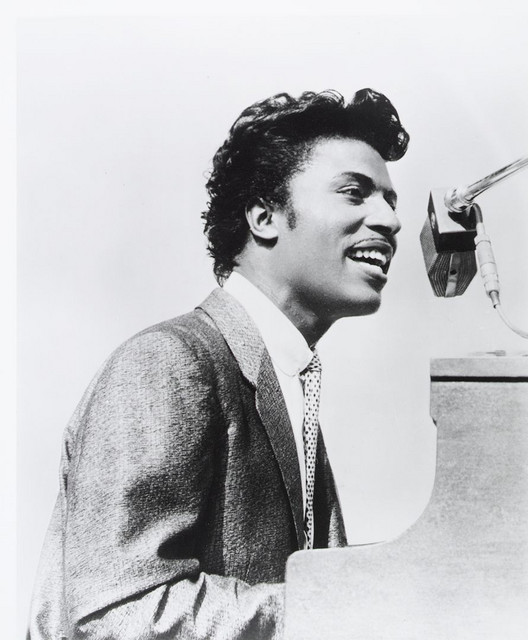
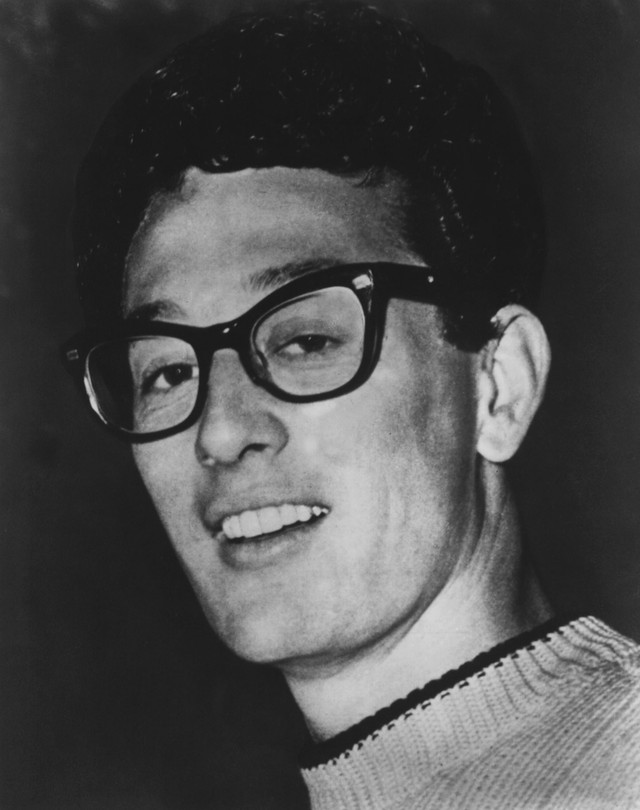
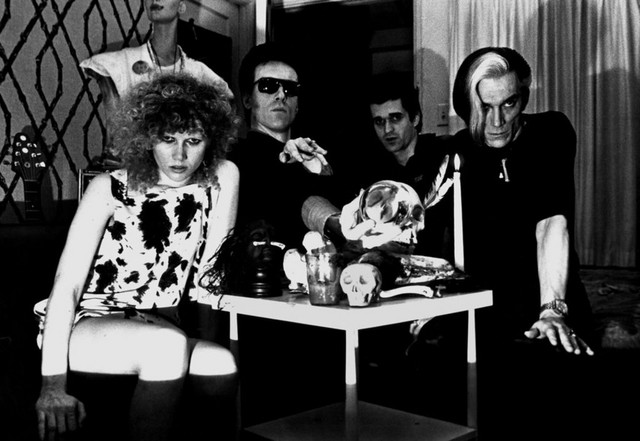
Rockabilly is the brisk, sun-splashed heartbeat of early rock ’n’ roll, a hybrid that fused the raw, country-inflected voice of hillbilly music with the insistent shuffle of rhythm and blues. Emerging in the early 1950s, it crystallized around the Memphis-rooted Sun Records scene and the surrounding American South, where a handful of audacious artists began pushing boundaries that would redefine popular music.
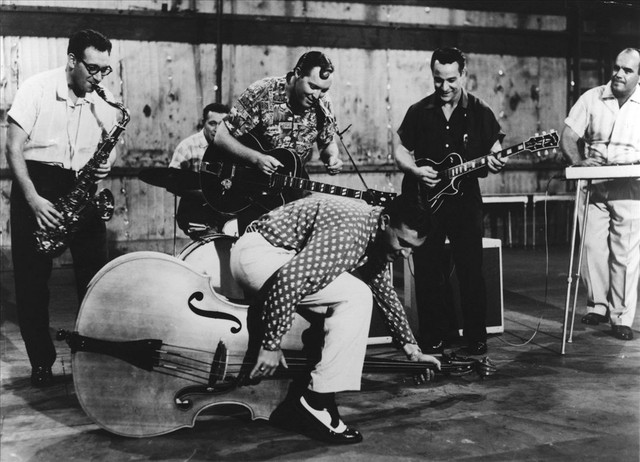
The sound is lean and high-octane: brisk tempos, sharp three-chord progressions, and a fierce, almost percussive energy. A signature feature is the upright bass played with a rhythmic slap that underpins the groove, paired with a twangy electric guitar and often a splashy, echo-laden production style—what many remember as “slapback” delay that gives the tracks their fizzy, live feel. Vocal approaches range from sly, half-spoken storytelling to a raucous, almost gospel-inflected delivery. This was music designed for driving, dancing, and a certain rebellious swagger.
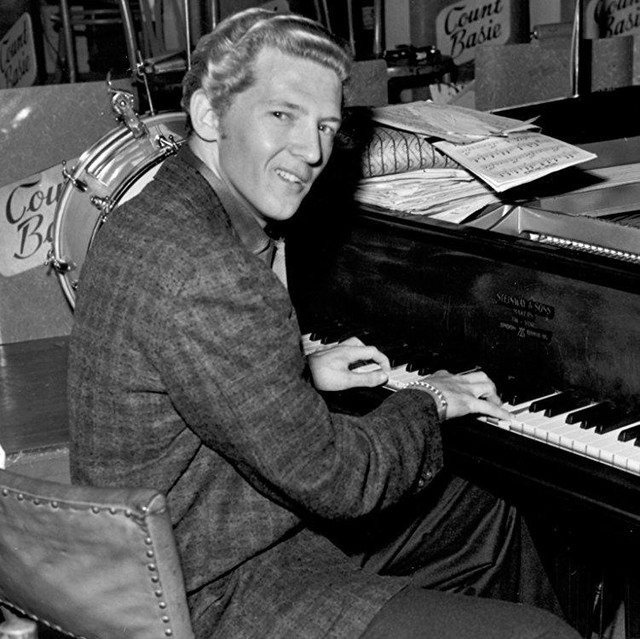
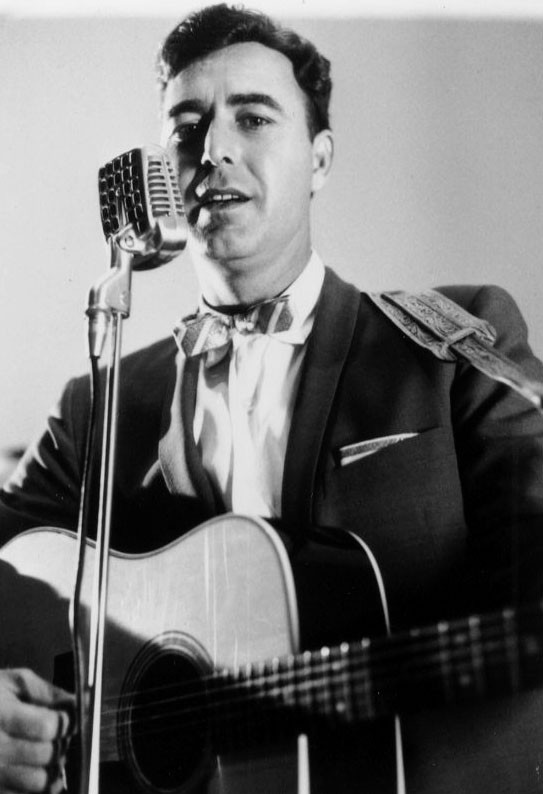
Key figures from the origin story are its ambassadors. Elvis Presley is widely regarded as the most influential rockabilly star, the artist who brought the blend of gospel fervor, country phrasing, and blues-inflected punch to a mainstream audience. Carl Perkins’ driving guitar work on songs like Blue Suede Shoes helped define the era’s rhythmic vocabulary. Johnny Cash brought a stark, muscular storytelling presence and a velvet-yet-nervy vocal tone. Jerry Lee Lewis, with his explosive piano brawn and fearless performance style, became another incandescent pillar of the scene. These artists, often backed by Sun Records musicians such as Scotty Moore on guitar and Bill Black on bass, set a template that would resonate far beyond Memphis.
Geographically, rockabilly found its strongest footholds in the United States—particularly the South and West Tennessee—but its influence quickly traveled. It found eager audiences in the United Kingdom and continental Europe, where revival scenes and dedicated clubs and labels kept the sound alive. Japan and parts of Scandinavia also developed cult followings, with dedicated scenes, collectors, and retro fashion cultures building around the music’s distinctive aesthetics.
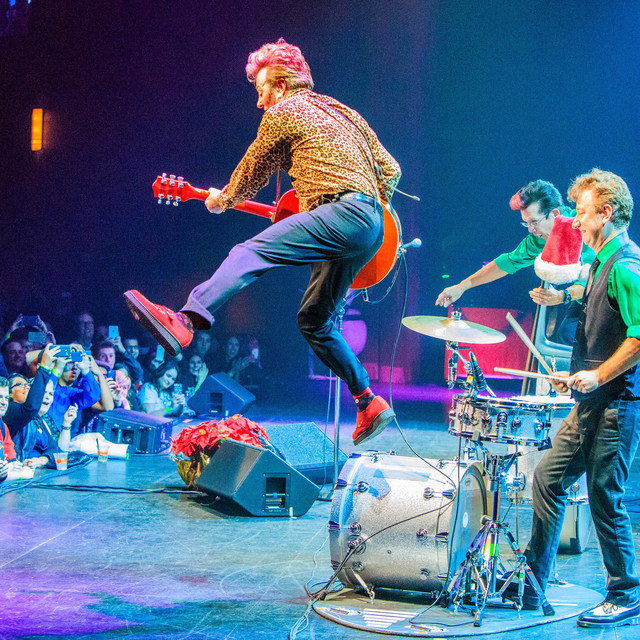
Over time, rockabilly branched and re-emerged in waves. The 1980s, for example, saw a durable revival led by bands such as the Stray Cats (led by Brian Setzer), which brought a renewed attention to the original style and its danceable, guitar-driven punch. Today, rockabilly survives as both a living tradition and a touchstone for retro-inspired rock ’n’ roll, surviving in independent releases, revival tours, and festival circuits that celebrate hot-rod culture, vintage fashion, and the dance floors where rockabilly first thrived.
For enthusiasts, rockabilly isn’t just a sound; it’s a culture—a fast, unapologetic fusion of North American roots, urban grit, and a DIY mindset. It invites you to hear history in a single, shiver-inducing riff and to feel the rush of a time when new possibilities felt as wide as the open road.
The sound is lean and high-octane: brisk tempos, sharp three-chord progressions, and a fierce, almost percussive energy. A signature feature is the upright bass played with a rhythmic slap that underpins the groove, paired with a twangy electric guitar and often a splashy, echo-laden production style—what many remember as “slapback” delay that gives the tracks their fizzy, live feel. Vocal approaches range from sly, half-spoken storytelling to a raucous, almost gospel-inflected delivery. This was music designed for driving, dancing, and a certain rebellious swagger.
Key figures from the origin story are its ambassadors. Elvis Presley is widely regarded as the most influential rockabilly star, the artist who brought the blend of gospel fervor, country phrasing, and blues-inflected punch to a mainstream audience. Carl Perkins’ driving guitar work on songs like Blue Suede Shoes helped define the era’s rhythmic vocabulary. Johnny Cash brought a stark, muscular storytelling presence and a velvet-yet-nervy vocal tone. Jerry Lee Lewis, with his explosive piano brawn and fearless performance style, became another incandescent pillar of the scene. These artists, often backed by Sun Records musicians such as Scotty Moore on guitar and Bill Black on bass, set a template that would resonate far beyond Memphis.
Geographically, rockabilly found its strongest footholds in the United States—particularly the South and West Tennessee—but its influence quickly traveled. It found eager audiences in the United Kingdom and continental Europe, where revival scenes and dedicated clubs and labels kept the sound alive. Japan and parts of Scandinavia also developed cult followings, with dedicated scenes, collectors, and retro fashion cultures building around the music’s distinctive aesthetics.
Over time, rockabilly branched and re-emerged in waves. The 1980s, for example, saw a durable revival led by bands such as the Stray Cats (led by Brian Setzer), which brought a renewed attention to the original style and its danceable, guitar-driven punch. Today, rockabilly survives as both a living tradition and a touchstone for retro-inspired rock ’n’ roll, surviving in independent releases, revival tours, and festival circuits that celebrate hot-rod culture, vintage fashion, and the dance floors where rockabilly first thrived.
For enthusiasts, rockabilly isn’t just a sound; it’s a culture—a fast, unapologetic fusion of North American roots, urban grit, and a DIY mindset. It invites you to hear history in a single, shiver-inducing riff and to feel the rush of a time when new possibilities felt as wide as the open road.