Data may be outdated
Last updated: 9 months ago — Click refresh to get the latest statistics.
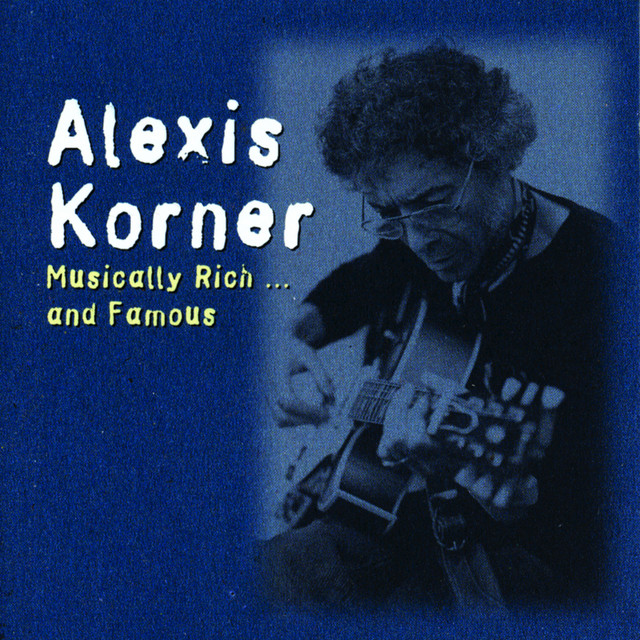
Without Alexis Korner, there still might have been a British blues scene in the early 1960s, but chances are that it would have been very different from the one that spawned <a href="spotify:artist:22bE4uQ6baNwSHPVcDxLCe">the Rolling Stones</a>, nurtured the early talents of <a href="spotify:artist:6PAt558ZEZl0DmdXlnjMgD">Eric Clapton</a>, and made it possible for figures such as <a href="spotify:artist:5s4z3mRAE7nxE3jjft8J3h">John Mayall</a> to reach an audience. Born of mixed Turkish/Greek/Austrian descent, Korner spent the first decade of his life in France, Switzerland, and North Africa, and arrived in London in May of 1940, just in time for the German blitz, during which Korner discovered American blues. One of the most vivid memories of his teen years was listening to a record of bluesman <a href="spotify:artist:5Htb3OCSbYrsNjXgFP1LqD">Jimmy Yancey</a> during a German air raid. "From then on," he recalled in an interview, "all I wanted to do was play the blues."
After the war, Korner started playing piano and then guitar, and in 1947 he tried playing electric blues, but didn't like the sound of the pick-ups that were then in use, and returned to acoustic playing. In 1949, he joined <a href="spotify:artist:48CW1rjPSOgZbMsV4LpqoP">Chris Barber's Jazz Band</a> and in 1952 he became part of the much larger <a href="spotify:artist:6LhwR8k3xVYIyux0D8YIbR">Ken Colyer Jazz Group</a>, which had merged with <a href="spotify:artist:48CW1rjPSOgZbMsV4LpqoP">Barber</a>'s band. Among those whom Korner crossed paths with during this era was <a href="spotify:artist:4lEjVt5Wu4APKTKcNxZiMq">Cyril Davies</a>, a guitarist and harmonica player. The two found their interests in American blues completely complementary, and in 1954 they began making the rounds of the jazz clubs as an electric blues duo. They started the London Blues and Barrelhouse Club, where, in addition to their own performances, Korner and <a href="spotify:artist:4lEjVt5Wu4APKTKcNxZiMq">Davies</a> brought visiting American bluesmen to listen and play. Very soon they were attracting blues enthusiasts from all over England.
Korner and <a href="spotify:artist:4lEjVt5Wu4APKTKcNxZiMq">Davies</a> made their first record in 1957, and in early 1962, they formed Blues Incorporated, a "supergroup" (for its time) consisting of the best players on the early-'60s British blues scene. Korner (guitar, vocals), <a href="spotify:artist:4lEjVt5Wu4APKTKcNxZiMq">Davies</a> (harmonica, vocals), Ken Scott (piano), and <a href="spotify:artist:7ddT6bounWJRVKKuJ48Jmj">Dick Heckstall-Smith</a> (saxophone) formed the core, with a revolving membership featuring <a href="spotify:artist:5e50biMeBYtqgeMAAMPi9k">Charlie Watts</a> or Graham Burbridge on drums, Spike Heatley or <a href="spotify:artist:73ndLgs6jSrpZzjyzU9TJV">Jack Bruce</a> on bass, and a rotating coterie of guest vocalists including <a href="spotify:artist:5x9DWz6SpEVu9NgL8aktm2">Long John Baldry</a>, Ronnie Jones, and Art Wood (older brother of <a href="spotify:artist:5HFtQOrPHOFptM1WF9xPuK">Ron Wood</a>). Most London jazz clubs were closed to them, so in March of 1962 they opened their own club, which quickly began attracting large crowds of young enthusiasts, among them <a href="spotify:artist:3d2pb1dHTm8b61zAGVUVvO">Mick Jagger</a>, <a href="spotify:artist:08avsqaGIlK2x3i2Cu7rKH">Keith Richards</a>, and Brian Jones, all of whom participated at some point with the group's performances; others included <a href="spotify:artist:0VqVMPh99YLcMyJSNuhMZ9">Ian Stewart</a>, <a href="spotify:artist:7pvL2bMcPtEGYzwTcULQKj">Steve Marriott</a>, <a href="spotify:artist:1I41xgLiwTZvdFsOSgGMvs">Paul Jones</a>, and Manfred Mann. In May of 1962, Blues Incorporated was invited to a regular residency at London's Marquee Club, where the crowds grew even bigger and more enthusiastic. <a href="spotify:artist:5s4z3mRAE7nxE3jjft8J3h">John Mayall</a> later credited Blues Incorporated with giving him the inspiration to form his own <a href="spotify:artist:2ScuQMRWThcifBRIvNDFDC">Bluesbreakers</a> group.
Record producers began to take notice, and in June of 1962 producer Jack Good arranged to record a live performance by the band. The resulting record, R&B from the Marquee, the first full-length album ever made by a British blues band, was released in November of 1962. The album consisted of largely of American standards, especially <a href="spotify:artist:5v8WPpMk60cqZbuZLdXjKY">Willie Dixon</a> numbers, rounded out with a few originals. At virtually the same time that Blues Incorporated's debut was going into stores, <a href="spotify:artist:4lEjVt5Wu4APKTKcNxZiMq">Cyril Davies</a> left the group over Korner's decision to add horns to their sound. Korner soldiered on, but the explosion of British rock in 1963, and the wave of blues-based rock bands that followed, including <a href="spotify:artist:22bE4uQ6baNwSHPVcDxLCe">the Rolling Stones</a>, <a href="spotify:artist:3ICflSq6ZgYAIrm2CTkfVP">the Animals</a>, and <a href="spotify:artist:2lxX1ivRYp26soIavdG9bX">the Yardbirds</a> undercut any chance he had for commercial success. His more studied brand of blues was left stranded in a commercial backwater -- there were still regular gigs and recordings, but no chart hits, and not much recognition. While his one-time acolytes <a href="spotify:artist:22bE4uQ6baNwSHPVcDxLCe">the Rolling Stones</a> and the <a href="spotify:artist:74oJ4qxwOZvX6oSsu1DGnw">Cream</a> made the front pages of music magazines all over the world, Korner was relegated to the blues pages of England's music papers, and, though not yet 40, to the role of "elder statesman."
For a time, Korner hosted Five O'Clock Club, a children's television show that introduced a whole new generation of British youth to American blues and jazz. He also wrote about blues for the music papers, and was a detractor of the flashy, psychedelic, and commercialized blues-rock of the late '60s, which he resented for its focus on extended solos and its fixation on Chicago blues. He continued recording as well, cutting a never-completed album with future <a href="spotify:artist:36QJpDe2go2KgaRleHCDTp">Led Zeppelin</a> vocalist <a href="spotify:artist:1OwarW4LEHnoep20ixRA0y">Robert Plant</a> in early 1968. Korner's performing career in England was limited, but he could always play to large audiences in Europe, especially in Scandinavia, and there were always new Korner records coming out. It was while touring Scandinavia that he first hooked up with vocalist <a href="spotify:artist:1HbkacYr73fyL7AWzW6olM">Peter Thorup</a>, who became Korner's collaborator over the next several years in the band New Church. After his dismissal from <a href="spotify:artist:22bE4uQ6baNwSHPVcDxLCe">the Rolling Stones</a>, Brian Jones considered joining New Church; Korner, however, rejected the idea, because he didn't want his new band to be caught up in any controversy. In 1972, he became peripherally involved in the breakup of another band, inheriting the services of Boz Burrell, <a href="spotify:artist:755kx2UtALChVHizVymkVb">Mel Collins</a>, and <a href="spotify:artist:5yBF3XTvlePd42n6K8YURj">Ian Wallace</a> when they quit <a href="spotify:artist:7M1FPw29m5FbicYzS2xdpi">King Crimson</a>.
It was during the '70s that Korner had his only major hit, as leader (with <a href="spotify:artist:1HbkacYr73fyL7AWzW6olM">Peter Thorup</a>) of the 25-member big-band ensemble <a href="spotify:artist:4Oty2fHJ2Rxddh9trZEOJh">CCS</a>. Their version of <a href="spotify:artist:36QJpDe2go2KgaRleHCDTp">Led Zeppelin's</a> "Whole Lotta Love" charted in England, and led to a tour and television appearances. In response, Korner released Bootleg Him, a retrospective compiled from tapes in his personal collection, including recordings with <a href="spotify:artist:1OwarW4LEHnoep20ixRA0y">Robert Plant</a>, <a href="spotify:artist:3d2pb1dHTm8b61zAGVUVvO">Mick Jagger</a>, and <a href="spotify:artist:5e50biMeBYtqgeMAAMPi9k">Charlie Watts</a>. Korner played on the "supersession" album B.B. King in London, and cut his own, similar album, Get Off My Cloud, with <a href="spotify:artist:08avsqaGIlK2x3i2Cu7rKH">Keith Richards</a>, <a href="spotify:artist:0543y7yrvny4KymoaneT4W">Peter Frampton</a>, <a href="spotify:artist:4oFSDUi4VgAWAn7t5RNaan">Nicky Hopkins</a>, and members of <a href="spotify:artist:3pFCERyEiP5xeN2EsPXhjI">Joe Cocker</a>'s Grease Band. When <a href="spotify:artist:4tkgLX1wdWoOu2lyeQNYAi">Mick Taylor</a> left <a href="spotify:artist:22bE4uQ6baNwSHPVcDxLCe">the Rolling Stones</a> in 1975, Korner was mentioned as a possible replacement, but the spot eventually went to <a href="spotify:artist:5HFtQOrPHOFptM1WF9xPuK">Ron Wood</a>. In 1978, for Korner's 50th birthday, an all-star concert was held featuring <a href="spotify:artist:6PAt558ZEZl0DmdXlnjMgD">Eric Clapton</a>, <a href="spotify:artist:1I41xgLiwTZvdFsOSgGMvs">Paul Jones</a>, <a href="spotify:artist:0xUA9sZvM1DBVySSvUaHtu">Chris Farlowe</a>, and <a href="spotify:artist:3YMjSZPsyhxwfVLJhtol81">Zoot Money</a>, which was later released as a video.
In 1981, Korner formed the last and greatest "supergroup" of his career, Rocket 88, featuring himself on guitar, <a href="spotify:artist:73ndLgs6jSrpZzjyzU9TJV">Jack Bruce</a> on upright bass, <a href="spotify:artist:0VqVMPh99YLcMyJSNuhMZ9">Ian Stewart</a> on piano, and <a href="spotify:artist:5e50biMeBYtqgeMAAMPi9k">Charlie Watts</a> on drums, backed by trombonists and saxmen, and one or two additional keyboard players. They toured Europe and recorded several gigs, the highlights of which were included on a self-titled album released by Atlantic Records. In contrast to the many blues-rock fusion records with which Korner had been associated, Rocket 88 mixed blues with boogie-woogie jazz, the group's repertory consisting largely of songs written by <a href="spotify:artist:7mDbAZV24eEmw5VJpKlCi9">W. C. Handy</a> and <a href="spotify:artist:7l71rXhsmDwoDgbyXDadtZ">Pete Johnson</a>.
After a well-received appearance at the Cambridge Folk Festival in the early '80s, there were rumors afterward that he intended to become more active musically, but his health was in decline by this time. A chain smoker all of his life, Korner died of lung cancer at the beginning of 1984. ~ Bruce Eder, Rovi
After the war, Korner started playing piano and then guitar, and in 1947 he tried playing electric blues, but didn't like the sound of the pick-ups that were then in use, and returned to acoustic playing. In 1949, he joined <a href="spotify:artist:48CW1rjPSOgZbMsV4LpqoP">Chris Barber's Jazz Band</a> and in 1952 he became part of the much larger <a href="spotify:artist:6LhwR8k3xVYIyux0D8YIbR">Ken Colyer Jazz Group</a>, which had merged with <a href="spotify:artist:48CW1rjPSOgZbMsV4LpqoP">Barber</a>'s band. Among those whom Korner crossed paths with during this era was <a href="spotify:artist:4lEjVt5Wu4APKTKcNxZiMq">Cyril Davies</a>, a guitarist and harmonica player. The two found their interests in American blues completely complementary, and in 1954 they began making the rounds of the jazz clubs as an electric blues duo. They started the London Blues and Barrelhouse Club, where, in addition to their own performances, Korner and <a href="spotify:artist:4lEjVt5Wu4APKTKcNxZiMq">Davies</a> brought visiting American bluesmen to listen and play. Very soon they were attracting blues enthusiasts from all over England.
Korner and <a href="spotify:artist:4lEjVt5Wu4APKTKcNxZiMq">Davies</a> made their first record in 1957, and in early 1962, they formed Blues Incorporated, a "supergroup" (for its time) consisting of the best players on the early-'60s British blues scene. Korner (guitar, vocals), <a href="spotify:artist:4lEjVt5Wu4APKTKcNxZiMq">Davies</a> (harmonica, vocals), Ken Scott (piano), and <a href="spotify:artist:7ddT6bounWJRVKKuJ48Jmj">Dick Heckstall-Smith</a> (saxophone) formed the core, with a revolving membership featuring <a href="spotify:artist:5e50biMeBYtqgeMAAMPi9k">Charlie Watts</a> or Graham Burbridge on drums, Spike Heatley or <a href="spotify:artist:73ndLgs6jSrpZzjyzU9TJV">Jack Bruce</a> on bass, and a rotating coterie of guest vocalists including <a href="spotify:artist:5x9DWz6SpEVu9NgL8aktm2">Long John Baldry</a>, Ronnie Jones, and Art Wood (older brother of <a href="spotify:artist:5HFtQOrPHOFptM1WF9xPuK">Ron Wood</a>). Most London jazz clubs were closed to them, so in March of 1962 they opened their own club, which quickly began attracting large crowds of young enthusiasts, among them <a href="spotify:artist:3d2pb1dHTm8b61zAGVUVvO">Mick Jagger</a>, <a href="spotify:artist:08avsqaGIlK2x3i2Cu7rKH">Keith Richards</a>, and Brian Jones, all of whom participated at some point with the group's performances; others included <a href="spotify:artist:0VqVMPh99YLcMyJSNuhMZ9">Ian Stewart</a>, <a href="spotify:artist:7pvL2bMcPtEGYzwTcULQKj">Steve Marriott</a>, <a href="spotify:artist:1I41xgLiwTZvdFsOSgGMvs">Paul Jones</a>, and Manfred Mann. In May of 1962, Blues Incorporated was invited to a regular residency at London's Marquee Club, where the crowds grew even bigger and more enthusiastic. <a href="spotify:artist:5s4z3mRAE7nxE3jjft8J3h">John Mayall</a> later credited Blues Incorporated with giving him the inspiration to form his own <a href="spotify:artist:2ScuQMRWThcifBRIvNDFDC">Bluesbreakers</a> group.
Record producers began to take notice, and in June of 1962 producer Jack Good arranged to record a live performance by the band. The resulting record, R&B from the Marquee, the first full-length album ever made by a British blues band, was released in November of 1962. The album consisted of largely of American standards, especially <a href="spotify:artist:5v8WPpMk60cqZbuZLdXjKY">Willie Dixon</a> numbers, rounded out with a few originals. At virtually the same time that Blues Incorporated's debut was going into stores, <a href="spotify:artist:4lEjVt5Wu4APKTKcNxZiMq">Cyril Davies</a> left the group over Korner's decision to add horns to their sound. Korner soldiered on, but the explosion of British rock in 1963, and the wave of blues-based rock bands that followed, including <a href="spotify:artist:22bE4uQ6baNwSHPVcDxLCe">the Rolling Stones</a>, <a href="spotify:artist:3ICflSq6ZgYAIrm2CTkfVP">the Animals</a>, and <a href="spotify:artist:2lxX1ivRYp26soIavdG9bX">the Yardbirds</a> undercut any chance he had for commercial success. His more studied brand of blues was left stranded in a commercial backwater -- there were still regular gigs and recordings, but no chart hits, and not much recognition. While his one-time acolytes <a href="spotify:artist:22bE4uQ6baNwSHPVcDxLCe">the Rolling Stones</a> and the <a href="spotify:artist:74oJ4qxwOZvX6oSsu1DGnw">Cream</a> made the front pages of music magazines all over the world, Korner was relegated to the blues pages of England's music papers, and, though not yet 40, to the role of "elder statesman."
For a time, Korner hosted Five O'Clock Club, a children's television show that introduced a whole new generation of British youth to American blues and jazz. He also wrote about blues for the music papers, and was a detractor of the flashy, psychedelic, and commercialized blues-rock of the late '60s, which he resented for its focus on extended solos and its fixation on Chicago blues. He continued recording as well, cutting a never-completed album with future <a href="spotify:artist:36QJpDe2go2KgaRleHCDTp">Led Zeppelin</a> vocalist <a href="spotify:artist:1OwarW4LEHnoep20ixRA0y">Robert Plant</a> in early 1968. Korner's performing career in England was limited, but he could always play to large audiences in Europe, especially in Scandinavia, and there were always new Korner records coming out. It was while touring Scandinavia that he first hooked up with vocalist <a href="spotify:artist:1HbkacYr73fyL7AWzW6olM">Peter Thorup</a>, who became Korner's collaborator over the next several years in the band New Church. After his dismissal from <a href="spotify:artist:22bE4uQ6baNwSHPVcDxLCe">the Rolling Stones</a>, Brian Jones considered joining New Church; Korner, however, rejected the idea, because he didn't want his new band to be caught up in any controversy. In 1972, he became peripherally involved in the breakup of another band, inheriting the services of Boz Burrell, <a href="spotify:artist:755kx2UtALChVHizVymkVb">Mel Collins</a>, and <a href="spotify:artist:5yBF3XTvlePd42n6K8YURj">Ian Wallace</a> when they quit <a href="spotify:artist:7M1FPw29m5FbicYzS2xdpi">King Crimson</a>.
It was during the '70s that Korner had his only major hit, as leader (with <a href="spotify:artist:1HbkacYr73fyL7AWzW6olM">Peter Thorup</a>) of the 25-member big-band ensemble <a href="spotify:artist:4Oty2fHJ2Rxddh9trZEOJh">CCS</a>. Their version of <a href="spotify:artist:36QJpDe2go2KgaRleHCDTp">Led Zeppelin's</a> "Whole Lotta Love" charted in England, and led to a tour and television appearances. In response, Korner released Bootleg Him, a retrospective compiled from tapes in his personal collection, including recordings with <a href="spotify:artist:1OwarW4LEHnoep20ixRA0y">Robert Plant</a>, <a href="spotify:artist:3d2pb1dHTm8b61zAGVUVvO">Mick Jagger</a>, and <a href="spotify:artist:5e50biMeBYtqgeMAAMPi9k">Charlie Watts</a>. Korner played on the "supersession" album B.B. King in London, and cut his own, similar album, Get Off My Cloud, with <a href="spotify:artist:08avsqaGIlK2x3i2Cu7rKH">Keith Richards</a>, <a href="spotify:artist:0543y7yrvny4KymoaneT4W">Peter Frampton</a>, <a href="spotify:artist:4oFSDUi4VgAWAn7t5RNaan">Nicky Hopkins</a>, and members of <a href="spotify:artist:3pFCERyEiP5xeN2EsPXhjI">Joe Cocker</a>'s Grease Band. When <a href="spotify:artist:4tkgLX1wdWoOu2lyeQNYAi">Mick Taylor</a> left <a href="spotify:artist:22bE4uQ6baNwSHPVcDxLCe">the Rolling Stones</a> in 1975, Korner was mentioned as a possible replacement, but the spot eventually went to <a href="spotify:artist:5HFtQOrPHOFptM1WF9xPuK">Ron Wood</a>. In 1978, for Korner's 50th birthday, an all-star concert was held featuring <a href="spotify:artist:6PAt558ZEZl0DmdXlnjMgD">Eric Clapton</a>, <a href="spotify:artist:1I41xgLiwTZvdFsOSgGMvs">Paul Jones</a>, <a href="spotify:artist:0xUA9sZvM1DBVySSvUaHtu">Chris Farlowe</a>, and <a href="spotify:artist:3YMjSZPsyhxwfVLJhtol81">Zoot Money</a>, which was later released as a video.
In 1981, Korner formed the last and greatest "supergroup" of his career, Rocket 88, featuring himself on guitar, <a href="spotify:artist:73ndLgs6jSrpZzjyzU9TJV">Jack Bruce</a> on upright bass, <a href="spotify:artist:0VqVMPh99YLcMyJSNuhMZ9">Ian Stewart</a> on piano, and <a href="spotify:artist:5e50biMeBYtqgeMAAMPi9k">Charlie Watts</a> on drums, backed by trombonists and saxmen, and one or two additional keyboard players. They toured Europe and recorded several gigs, the highlights of which were included on a self-titled album released by Atlantic Records. In contrast to the many blues-rock fusion records with which Korner had been associated, Rocket 88 mixed blues with boogie-woogie jazz, the group's repertory consisting largely of songs written by <a href="spotify:artist:7mDbAZV24eEmw5VJpKlCi9">W. C. Handy</a> and <a href="spotify:artist:7l71rXhsmDwoDgbyXDadtZ">Pete Johnson</a>.
After a well-received appearance at the Cambridge Folk Festival in the early '80s, there were rumors afterward that he intended to become more active musically, but his health was in decline by this time. A chain smoker all of his life, Korner died of lung cancer at the beginning of 1984. ~ Bruce Eder, Rovi
Monthly Listeners
4,160
Monthly Listeners History
Track the evolution of monthly listeners over the last 28 days.
Followers
7,139
Followers History
Track the evolution of followers over the last 28 days.
Top Cities


Related Artists
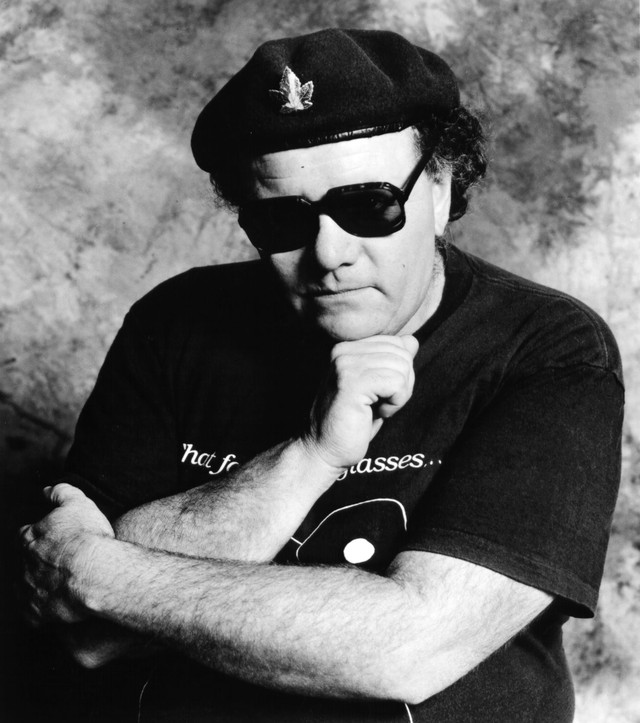
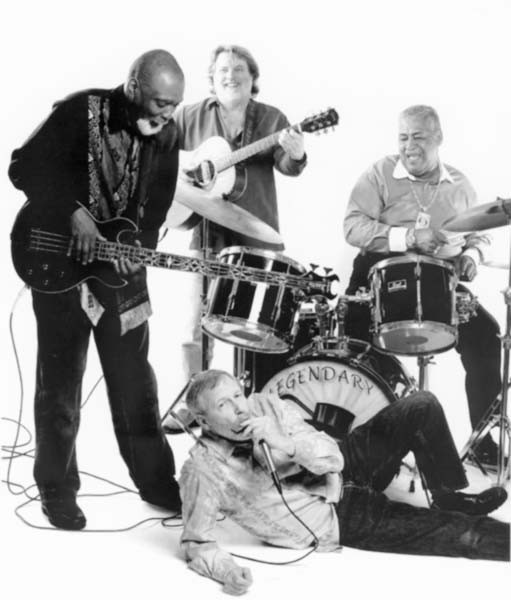
The Siegel-Schwall Band
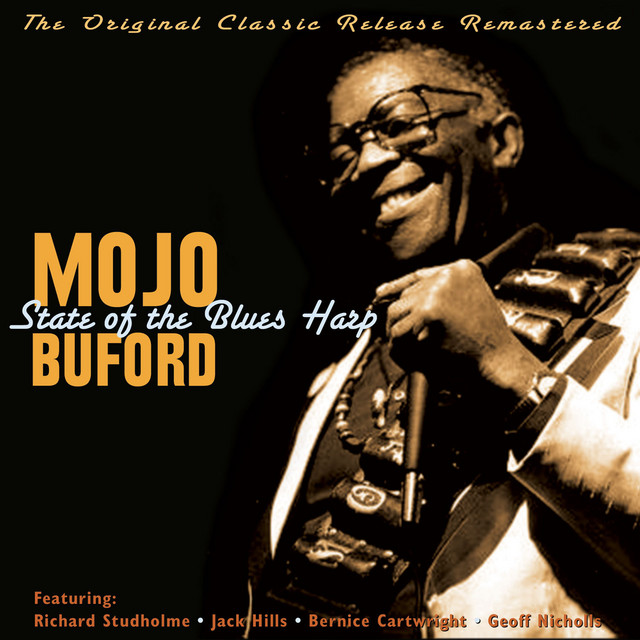

The Brunning Sunflower Band
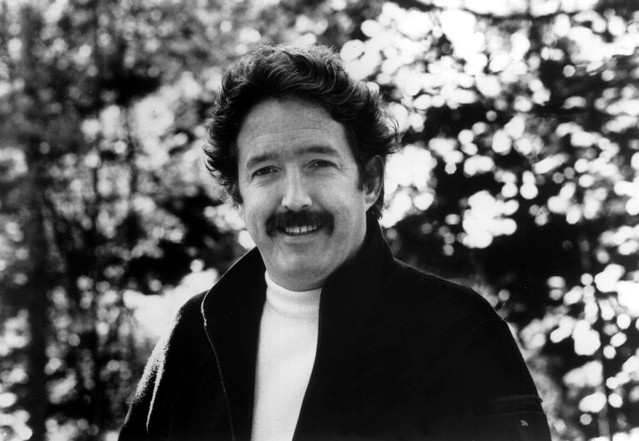
Aynsley Dunbar Retaliation
Tramp



The John Dummer Blues Band

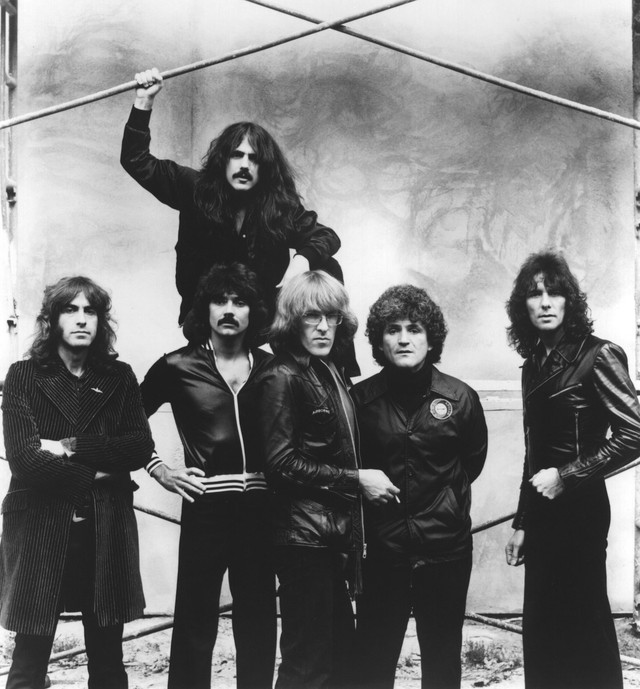

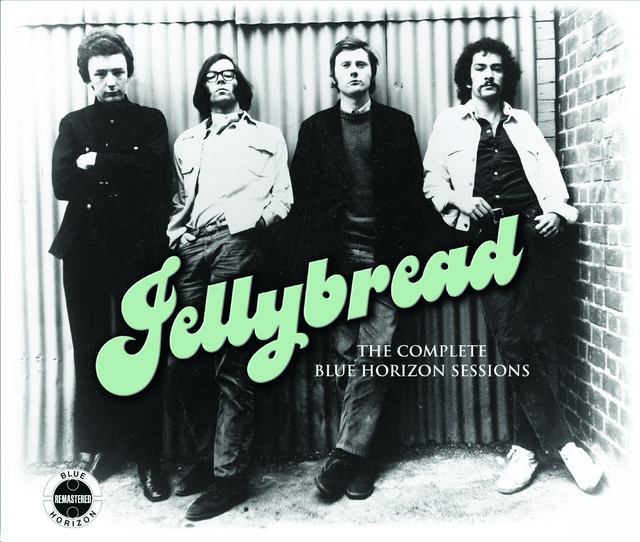
Jellybread
Katmandu
Hollywood Fats

Don Covay & The Jefferson Lemon Blues Band

Eddie Boyd And His Blues Band

Siren
Shakey Jake
Dave"Munch"Moore
Paul Butterfield's Better Days
Ray Koerner & Glover

John Cipollina
Snape

Abi Wallenstein
George "Harmonica" Smith

Cub Koda
