Data may be outdated
Last updated: 9 months ago — Click refresh to get the latest statistics.
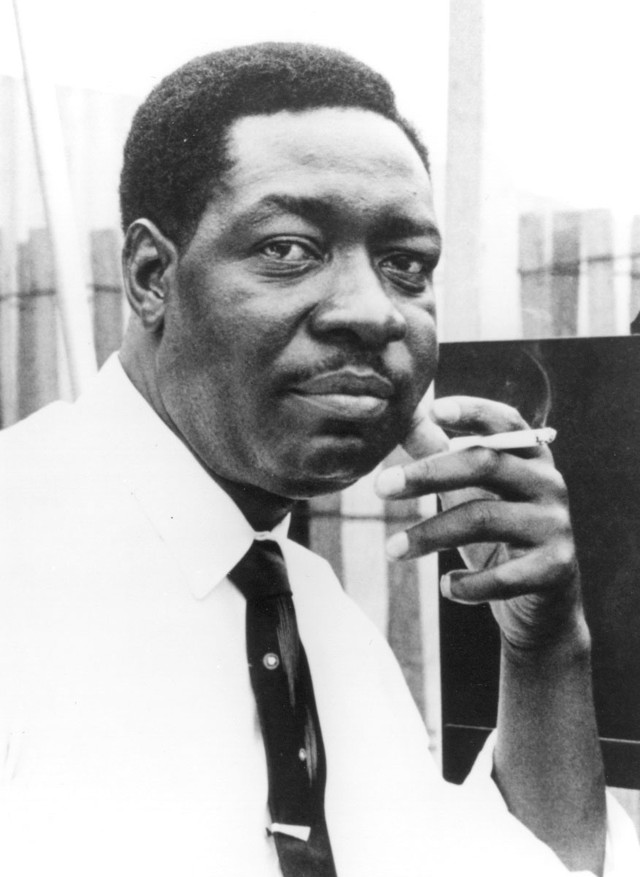
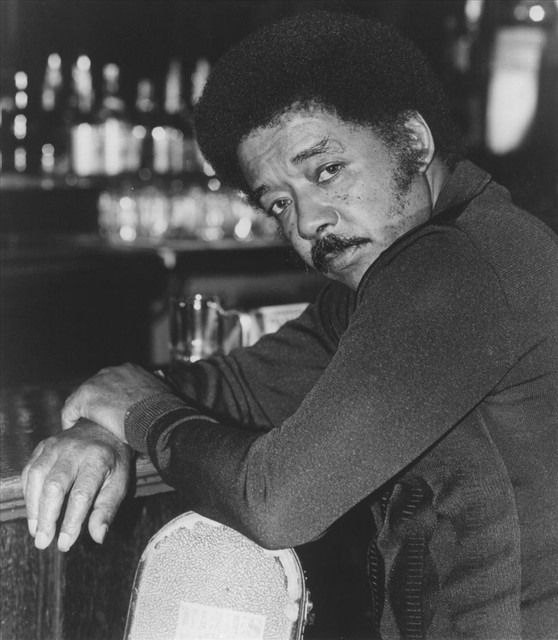
When you're talking about the patented <a href="spotify:artist:41ZMMuFFLPTVPkUsSI5KlV">Jimmy Reed</a> laconic shuffle sound, you're talking about Eddie Taylor just as much as <a href="spotify:artist:41ZMMuFFLPTVPkUsSI5KlV">Reed</a> himself. Taylor was the glue that kept <a href="spotify:artist:41ZMMuFFLPTVPkUsSI5KlV">Reed</a>'s lowdown grooves from falling into serious disrepair. His rock-steady rhythm guitar powered the great majority of <a href="spotify:artist:41ZMMuFFLPTVPkUsSI5KlV">Reed</a>'s <a href="spotify:search:label%3A%22Vee-Jay%22">Vee-Jay</a> sides during the 1950s and early '60s, and he even found time to wax a few classic sides of his own for <a href="spotify:search:label%3A%22Vee-Jay%22">Vee-Jay</a> during the mid-'50s.
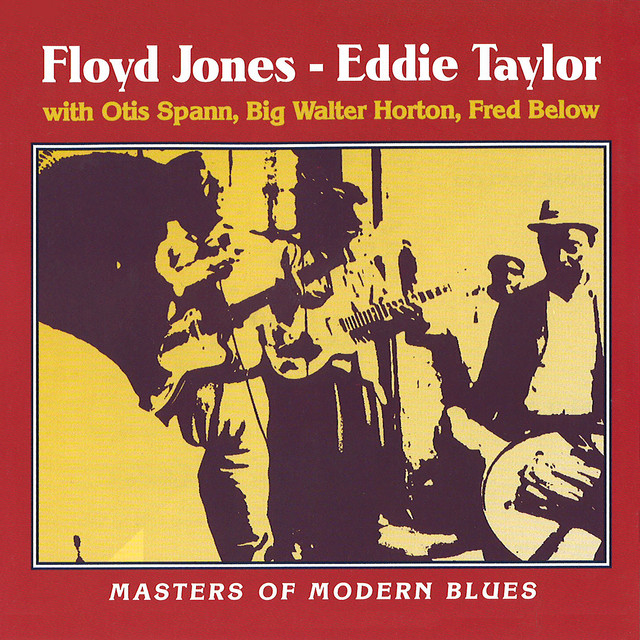
Eddie Taylor was as versatile a blues guitarist as anyone could ever hope to encounter. His style was deeply rooted in Delta tradition, but he could snap off a modern funk-tinged groove just as convincingly as a straight shuffle. Taylor witnessed Delta immortals <a href="spotify:artist:0f8MDDzIc6M4uH1xH0o0gy">Robert Johnson</a> and <a href="spotify:artist:7aExFIr0IHWO5aFjMrGwKw">Charley Patton</a> as a lad, taking up the guitar himself in 1936 and teaching the basics of the instrument to his childhood pal <a href="spotify:artist:41ZMMuFFLPTVPkUsSI5KlV">Reed</a>. After a stop in Memphis, he hit Chicago in 1949, falling in with harpist <a href="spotify:artist:2mGsLcgVJSfpUTgrMuPxt3">Snooky Pryor</a>, guitarist <a href="spotify:artist:3AyVg8vtIU4HIcmEDil18Y">Floyd Jones</a>, and -- you guessed it -- his old homey <a href="spotify:artist:41ZMMuFFLPTVPkUsSI5KlV">Reed</a>.
From <a href="spotify:artist:41ZMMuFFLPTVPkUsSI5KlV">Jimmy Reed</a>'s second <a href="spotify:search:label%3A%22Vee-Jay%22">Vee-Jay</a> date in 1953 on, Eddie Taylor was right there to help <a href="spotify:artist:41ZMMuFFLPTVPkUsSI5KlV">Reed</a> through the rough spots. Taylor's own <a href="spotify:search:label%3A%22Vee-Jay%22">Vee-Jay</a> debut came in 1955 with the immortal "Bad Boy" (<a href="spotify:artist:41ZMMuFFLPTVPkUsSI5KlV">Reed</a> returning the favor on harp). Taylor's second <a href="spotify:search:label%3A%22Vee-Jay%22">Vee-Jay</a> single coupled two more classics, "Ride 'Em on Down" and "Big Town Playboy," and his last two platters for the firm, "You'll Always Have a Home" and "I'm Gonna Love You," were similarly inspired. But Taylor's records didn't sell in the quantities that <a href="spotify:artist:41ZMMuFFLPTVPkUsSI5KlV">Reed</a>'s did, so he was largely relegated to the role of sideman (he recorded behind <a href="spotify:artist:1yNOfXGQNGjAynk77wv85x">John Lee Hooker</a>, <a href="spotify:artist:7sdvOvyRT6ZFBv5rura7xI">John Brim</a>, <a href="spotify:artist:0q9kpdDkEA3H17gcRMjgVS">Elmore James</a>, <a href="spotify:artist:2mGsLcgVJSfpUTgrMuPxt3">Snooky Pryor</a>, and many more during the '50s) until his 1972 set for <a href="spotify:search:label%3A%22Advent%22">Advent</a>, I Feel So Bad, made it abundantly clear that this quiet, unassuming guitarist didn't have to play second fiddle to anyone. When he died in 1985, he left a void on the Chicago circuit that remains apparent even now. They just don't make 'em like Eddie Taylor anymore. ~ Bill Dahl, Rovi
Eddie Taylor was as versatile a blues guitarist as anyone could ever hope to encounter. His style was deeply rooted in Delta tradition, but he could snap off a modern funk-tinged groove just as convincingly as a straight shuffle. Taylor witnessed Delta immortals <a href="spotify:artist:0f8MDDzIc6M4uH1xH0o0gy">Robert Johnson</a> and <a href="spotify:artist:7aExFIr0IHWO5aFjMrGwKw">Charley Patton</a> as a lad, taking up the guitar himself in 1936 and teaching the basics of the instrument to his childhood pal <a href="spotify:artist:41ZMMuFFLPTVPkUsSI5KlV">Reed</a>. After a stop in Memphis, he hit Chicago in 1949, falling in with harpist <a href="spotify:artist:2mGsLcgVJSfpUTgrMuPxt3">Snooky Pryor</a>, guitarist <a href="spotify:artist:3AyVg8vtIU4HIcmEDil18Y">Floyd Jones</a>, and -- you guessed it -- his old homey <a href="spotify:artist:41ZMMuFFLPTVPkUsSI5KlV">Reed</a>.
From <a href="spotify:artist:41ZMMuFFLPTVPkUsSI5KlV">Jimmy Reed</a>'s second <a href="spotify:search:label%3A%22Vee-Jay%22">Vee-Jay</a> date in 1953 on, Eddie Taylor was right there to help <a href="spotify:artist:41ZMMuFFLPTVPkUsSI5KlV">Reed</a> through the rough spots. Taylor's own <a href="spotify:search:label%3A%22Vee-Jay%22">Vee-Jay</a> debut came in 1955 with the immortal "Bad Boy" (<a href="spotify:artist:41ZMMuFFLPTVPkUsSI5KlV">Reed</a> returning the favor on harp). Taylor's second <a href="spotify:search:label%3A%22Vee-Jay%22">Vee-Jay</a> single coupled two more classics, "Ride 'Em on Down" and "Big Town Playboy," and his last two platters for the firm, "You'll Always Have a Home" and "I'm Gonna Love You," were similarly inspired. But Taylor's records didn't sell in the quantities that <a href="spotify:artist:41ZMMuFFLPTVPkUsSI5KlV">Reed</a>'s did, so he was largely relegated to the role of sideman (he recorded behind <a href="spotify:artist:1yNOfXGQNGjAynk77wv85x">John Lee Hooker</a>, <a href="spotify:artist:7sdvOvyRT6ZFBv5rura7xI">John Brim</a>, <a href="spotify:artist:0q9kpdDkEA3H17gcRMjgVS">Elmore James</a>, <a href="spotify:artist:2mGsLcgVJSfpUTgrMuPxt3">Snooky Pryor</a>, and many more during the '50s) until his 1972 set for <a href="spotify:search:label%3A%22Advent%22">Advent</a>, I Feel So Bad, made it abundantly clear that this quiet, unassuming guitarist didn't have to play second fiddle to anyone. When he died in 1985, he left a void on the Chicago circuit that remains apparent even now. They just don't make 'em like Eddie Taylor anymore. ~ Bill Dahl, Rovi
Monthly Listeners
12,282
Monthly Listeners History
Track the evolution of monthly listeners over the last 28 days.
Followers
11,544
Followers History
Track the evolution of followers over the last 28 days.
Top Cities



Related Artists


J. B. Hutto


Matt "Guitar" Murphy

JUNIOR WELLS' CHICAGO BLUES BAND