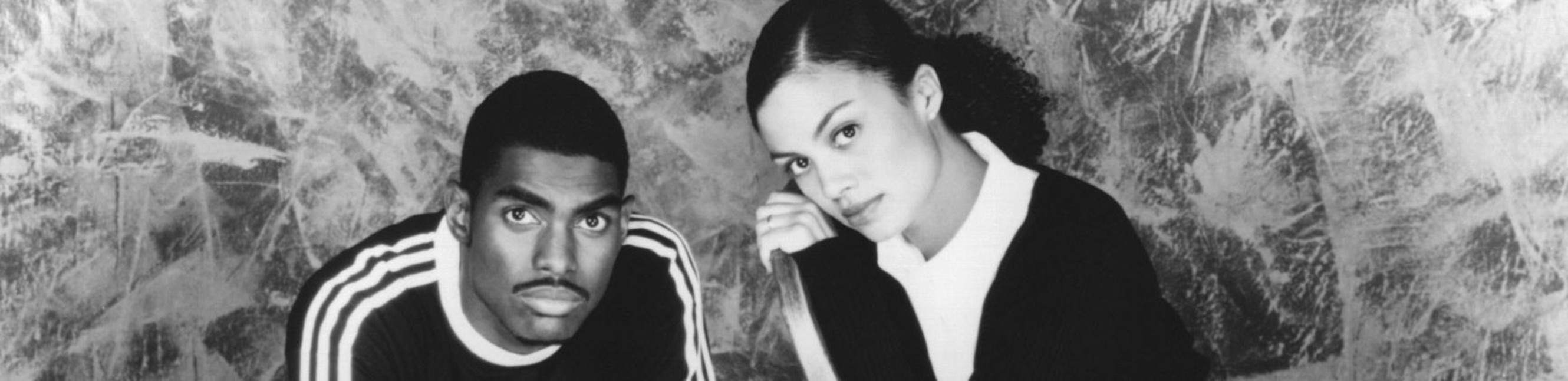
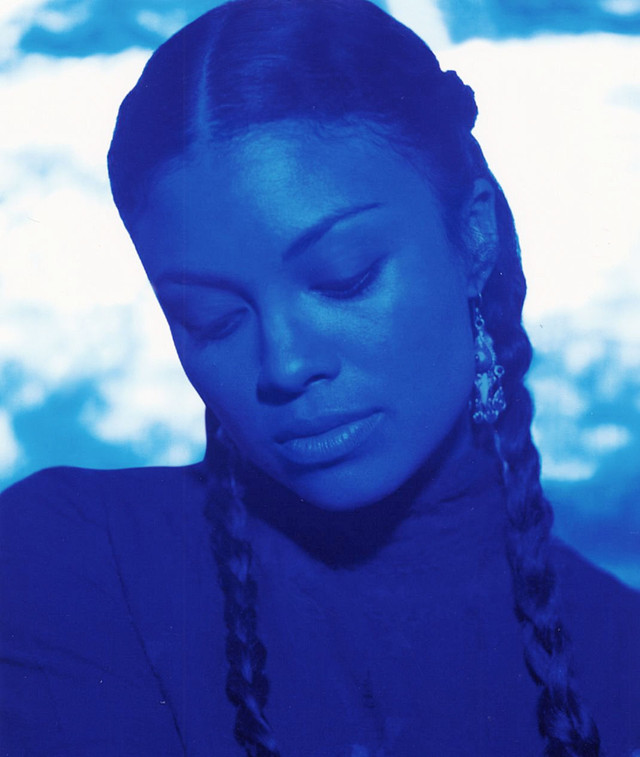
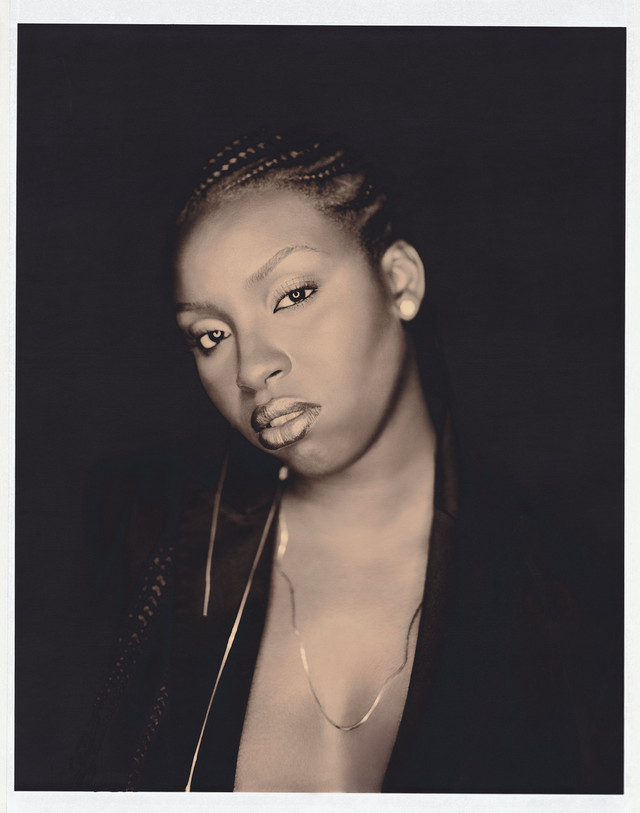
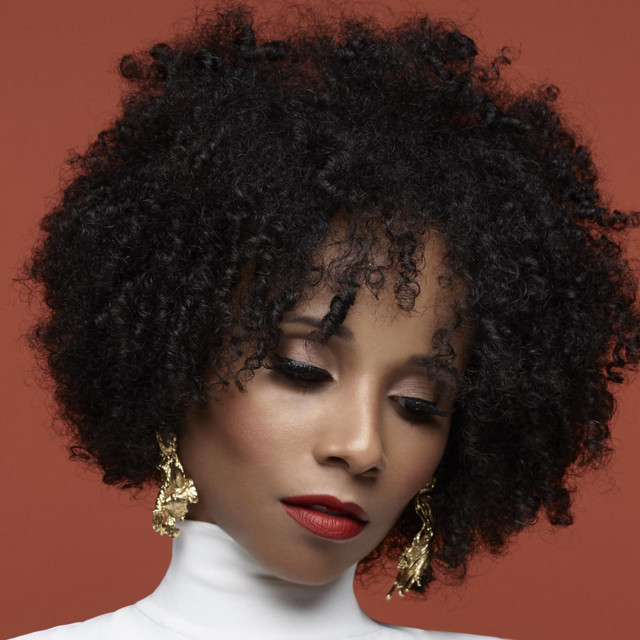
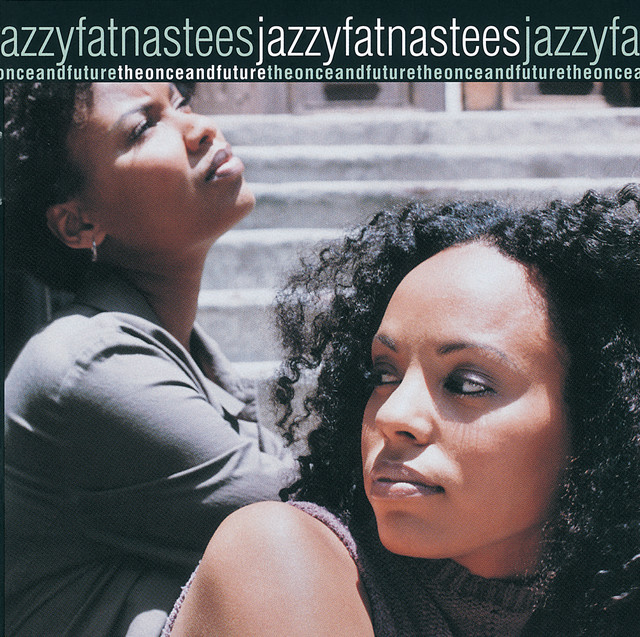
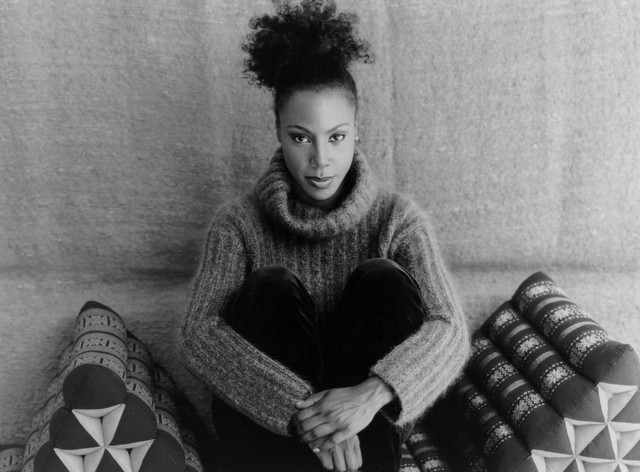
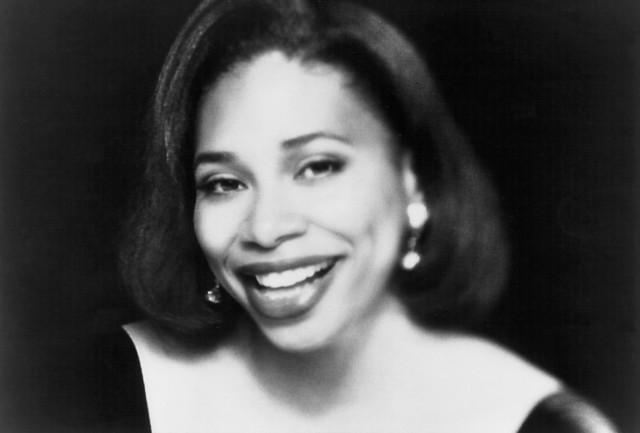
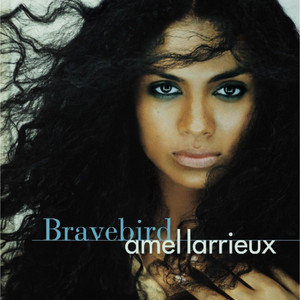
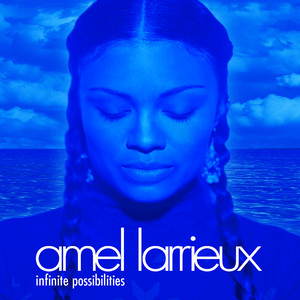
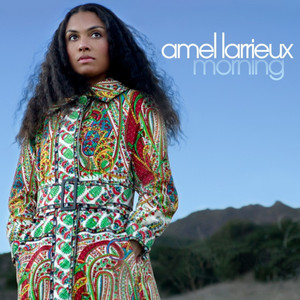
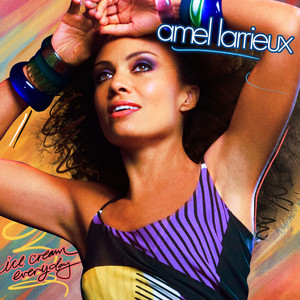
R&B singer/songwriter Amel Larrieux grew up in New York's Greenwich Village. Her mother, Brenda Dixon Gottschild, was a dance critic and professor, and she was raised in an artistic environment. She formed <a href="spotify:artist:7opRqRgF9lvnVraBFCMvIj">Groove Theory</a>, a duo with former <a href="spotify:artist:0grZF2s6ADKiTGwf8EVZEY">Mantronix</a> member <a href="spotify:artist:5c2zMZlc5y6WOxQyihP5nM">Bryce Wilson</a> (aka Bryce Luvah), which signed to <a href="spotify:search:label%3A%22Epic+Records%22">Epic Records</a> and scored a gold-selling Top Ten pop and R&B hit in October 1995 with "Tell Me," followed by the Groove Theory album, which hit the Top 20 of the R&B chart. In 1996, Larrieux was a vocalist on the self-titled album by <a href="spotify:artist:7fJy3VGVUCNVGrVrI1nv6x">Sweetback</a>, a group featuring three members of <a href="spotify:artist:47zz7sob9NUcODy0BTDvKx">Sade</a>, which reached the charts. Larrieux released her debut solo single, "Get Up," in November 1999, and it reached number 37 on the R&B chart. Her debut solo album, Infinite Possibilities, was released by 550 Music in February 2000. Larrieux teamed with crooner <a href="spotify:artist:28821fRwpAWk44HfJ96PGV">Glenn Lewis</a> and recorded "What's Come Over Me?" for the Barbershop soundtrack, released in 2002. The two reunited a year later and appeared on <a href="spotify:artist:1lGt9WgdYGpMnmwGkcCm05">Stanley Clarke</a>'s 1, 2, to the Bass album with their version of "Where Is the Love," a performance that earned them a Grammy nomination. In 2004, Larrieux established the <a href="spotify:search:label%3A%22Blisslife%22">Blisslife</a> label, where she released Bravebird, Morning (2006), the stripped-down vocal jazz set Lovely Standards (2007), and the playfully eclectic Ice Cream Everyday (2013). ~ William Ruhlmann, Rovi