Data may be outdated
Last updated: 9 months ago — Click refresh to get the latest statistics.
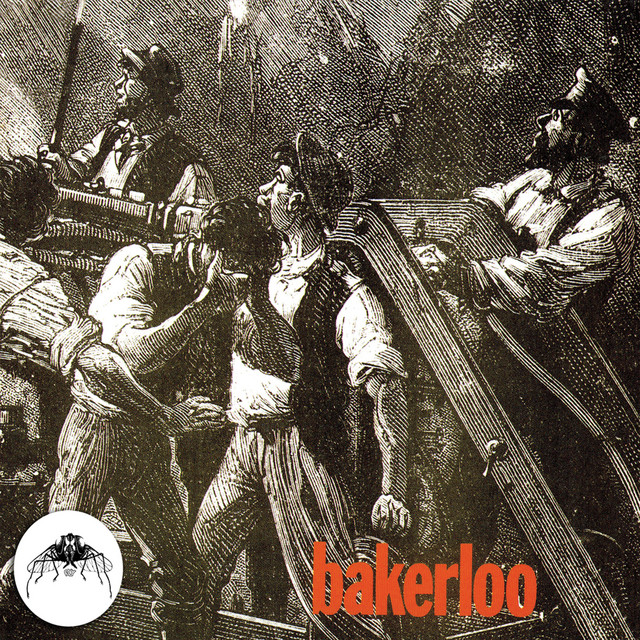
Bakerloo were originally formed as the Bakerloo Blues Line in 1967, at the outset of the blues boom spearheaded by <a href="spotify:artist:74oJ4qxwOZvX6oSsu1DGnw">Cream</a>. A power trio similar to the latter outfit, they also incorporated some of the artier elements of pop music from that period -- Dave "Clem" Clempson played solid, bluesy lead guitar, but he also doubled on harpsichord and piano as well as providing the mouth harp, while Terry Poole played bass and Keith Baker played drums. They made all the right moves as a performing outfit, courtesy of their manager, Jim Simpson (who also handled <a href="spotify:artist:5M52tdBnJaKSvOpJGz8mfZ">Black Sabbath</a>, known as <a href="spotify:artist:4mTFQE6aiehScgvreB9llC">Earth</a> at the time) -- he organized a U.K. tour, dubbed "Big Bear Ffolly" (which later became the title of a Bakerloo song) which had Bakerloo, <a href="spotify:artist:4mTFQE6aiehScgvreB9llC">Earth</a>, Locomotive, and <a href="spotify:artist:4rkRYubUhMU6aBR9KNSWbG">Tea and Symphony</a> playing throughout the country. Bakerloo was also one of the support acts on October 18, 1968, the night <a href="spotify:artist:36QJpDe2go2KgaRleHCDTp">Led Zeppelin</a> made their debut at London's Marquee Club. Bakerloo were among the early signings to <a href="spotify:search:label%3A%22EMI%27s+Harvest+%22">EMI's Harvest </a>label, where they made their debut in the middle of 1969 with the single "Driving Backwards" b/w"Once Upon a Time" in July. They followed it up that fall with their self-titled album, which gave their jazz-inflected electric blues, reminiscent in some ways of <a href="spotify:artist:0O9Mz12rueCsrgUqItvvnw">Blodwyn Pig</a>'s work, a full workout. Cut under the guidance of producer <a href="spotify:artist:2fNm8mZNfSnbsFmED5yWXa">Gus Dudgeon</a> and released in November of that year, the album was one of the harder rocking releases in the early <a href="spotify:search:label%3A%22Harvest%22">Harvest</a> schedule. Bakerloo were one of the more sophisticated blues-oriented power trios, and that might've been their undoing in finding an audience. Given time, they might've been another <a href="spotify:artist:7nkLRaWHImCvWGHdNGnhVE">Ten Years After</a>, but there was barely any time to find their potential, for the band broke up in late 1969 when Clem Clempson quit to join <a href="spotify:artist:7zSHQFzTnqpcbrmroB7bvM">Colosseum</a>, which proved to be a stopping point on his way into the lineup of <a href="spotify:artist:2CxLP749mup3ncPrXgCnvU">Humble Pie</a> as <a href="spotify:artist:0543y7yrvny4KymoaneT4W">Peter Frampton</a>'s successor, and later worked with <a href="spotify:artist:5odf7hjI7hyvAw66tmxhGF">Roger Daltrey</a>, <a href="spotify:artist:7x83XhcMbOTl1UdYsPTuZM">Tom Waits</a>, and <a href="spotify:artist:3oFRpiLvaflFOVNxvsLrze">the Records</a>, among other major acts. Terry Poole passed through <a href="spotify:artist:1im4Wcx1u8qxzbRtlRDbnC">Graham Bond</a>'s band in the early to mid-'70s, and Keith Baker later became a member of <a href="spotify:artist:45O9BwPMyywM755SYUK0sP">Uriah Heep</a>. <a href="spotify:artist:3Ckyq2OSMjyWtEzGAe4tC2">Poole</a> and <a href="spotify:artist:46CH1Gp8l8QVly8bpG9JFG">Baker</a> later reteamed, while Clempson has been a very busy session player for decades. ~ Bruce Eder, Rovi
Monthly Listeners
1,437
Monthly Listeners History
Track the evolution of monthly listeners over the last 28 days.
Followers
3,848
Followers History
Track the evolution of followers over the last 28 days.
Top Cities
31 listeners
28 listeners

21 listeners
15 listeners
13 listeners
Related Artists
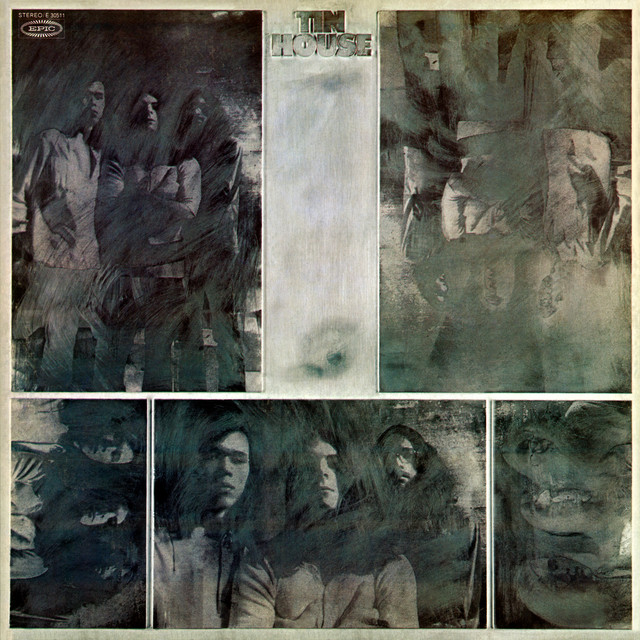
Tin House

Jody Grind
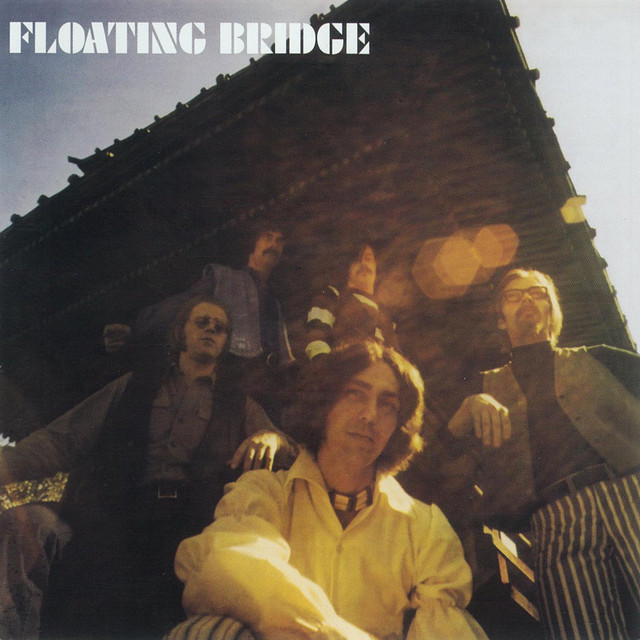

Alamo
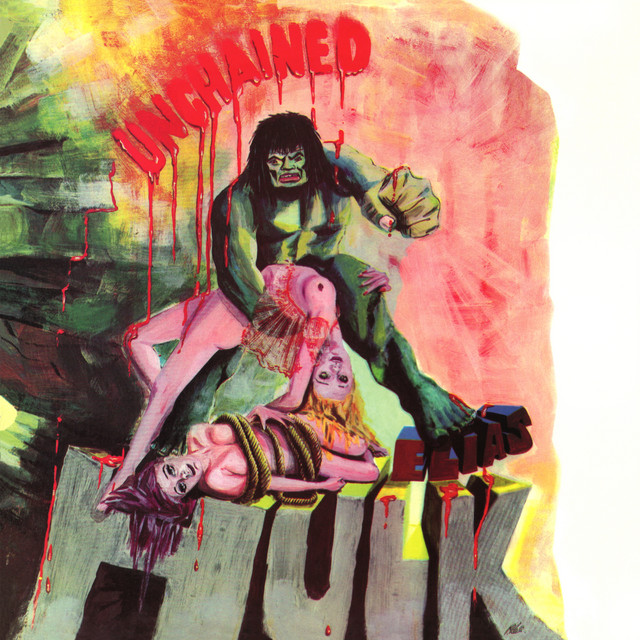
Elias Hulk


Incredible Hog
Epitaph


Armaggedon
Clark Hutchinson

Velvett Fogg
Tear Gas
Toe Fat



Damnation

After Shave
Tucky Buzzard

Hard Meat

The Norman Haines Band
Aynsley Dunbar Retaliation