Data may be outdated
Last updated: 9 months ago — Click refresh to get the latest statistics.
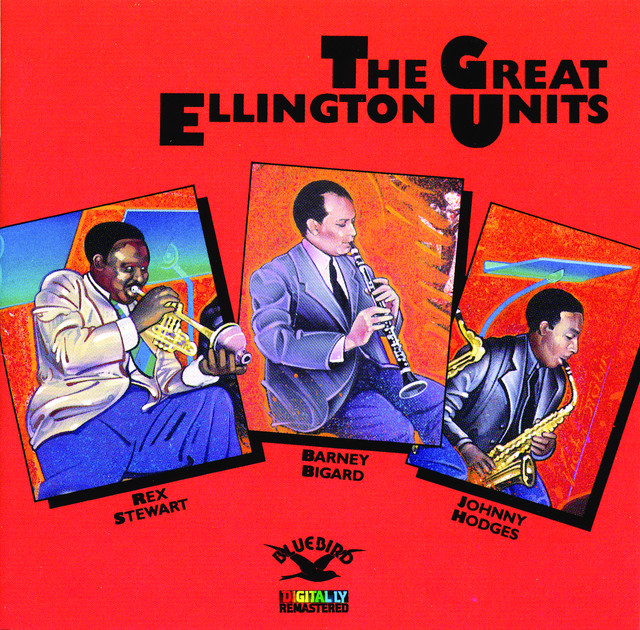
Barney Bigard was one of the most distinctive clarinetists in jazz and a longtime asset to <a href="spotify:artist:4F7Q5NV6h5TSwCainz8S5A">Duke Ellington</a>'s orchestra. Although he took clarinet lessons with Lorenzo Tio, Bigard's initial reputation was made as a tenor saxophonist; in fact, based on a few of his recordings (particularly those with <a href="spotify:artist:2QYQ1OaqqulNz8o2c80ViP">Luis Russell</a>), Bigard was number two behind <a href="spotify:artist:0JM134st8VY7Ld9T2wQiH0">Coleman Hawkins</a> in the mid-'20s. After working with several groups in New Orleans, Bigard moved to Chicago in 1924 where he played with <a href="spotify:artist:24PJRbYtu3Cq5CuF24c1QZ">King Oliver</a> during 1925-1927. He would also record with <a href="spotify:artist:4XepUkisa56DUeA3gbjDQD">Jelly Roll Morton</a>, <a href="spotify:artist:5Epg9knob31gEXJGg9V5Sp">Johnny Dodds</a>, and future boss <a href="spotify:artist:19eLuQmk9aCobbVDHc6eek">Louis Armstrong</a> in the 1920s but, after short stints with Charles Elgar and <a href="spotify:artist:2QYQ1OaqqulNz8o2c80ViP">Luis Russell</a>, Bigard found his true home with <a href="spotify:artist:4F7Q5NV6h5TSwCainz8S5A">Duke Ellington</a>'s orchestra, with whom he almost exclusively played clarinet. Between 1927-1942, he was well featured on a countless number of recordings with <a href="spotify:artist:4F7Q5NV6h5TSwCainz8S5A">Ellington</a>, who understood Bigard's musical strengths and wrote to showcase him at his best. From "Mood Indigo" (which he co-composed) to "Harlem Air Shaft," Bigard was an important fixture of the <a href="spotify:artist:4F7Q5NV6h5TSwCainz8S5A">Ellington</a> orchestra.
When he quit the band in 1942 (due to tiring of the road), Bigard played with Freddie Slack's big band, Kid Ory's New Orleans group, and appeared in the 1946 film New Orleans. Bigard then joined the Louis Armstrong All-Stars, constantly traveling the world during 1947-1955 and 1960-1961; he spent 1958-1959 with Cozy Cole's band. Bigard became largely semi-retired after 1962, but still played now and then, recording with <a href="spotify:artist:7B2GLsoPPGTRUeNpJ6VbL3">Art Hodes</a>, <a href="spotify:artist:2mY5u4CceAPrpBnse1WpFr">Earl Hines</a>, and as a leader. However, Barney Bigard, whose swing style was sometimes out-of-place with <a href="spotify:artist:19eLuQmk9aCobbVDHc6eek">Armstrong</a>, really sounded at his best during his <a href="spotify:artist:4F7Q5NV6h5TSwCainz8S5A">Duke Ellington</a> years. ~ Scott Yanow, Rovi
When he quit the band in 1942 (due to tiring of the road), Bigard played with Freddie Slack's big band, Kid Ory's New Orleans group, and appeared in the 1946 film New Orleans. Bigard then joined the Louis Armstrong All-Stars, constantly traveling the world during 1947-1955 and 1960-1961; he spent 1958-1959 with Cozy Cole's band. Bigard became largely semi-retired after 1962, but still played now and then, recording with <a href="spotify:artist:7B2GLsoPPGTRUeNpJ6VbL3">Art Hodes</a>, <a href="spotify:artist:2mY5u4CceAPrpBnse1WpFr">Earl Hines</a>, and as a leader. However, Barney Bigard, whose swing style was sometimes out-of-place with <a href="spotify:artist:19eLuQmk9aCobbVDHc6eek">Armstrong</a>, really sounded at his best during his <a href="spotify:artist:4F7Q5NV6h5TSwCainz8S5A">Duke Ellington</a> years. ~ Scott Yanow, Rovi
Monthly Listeners
4,961
Monthly Listeners History
Track the evolution of monthly listeners over the last 28 days.
Followers
3,174
Followers History
Track the evolution of followers over the last 28 days.
Top Cities



Related Artists

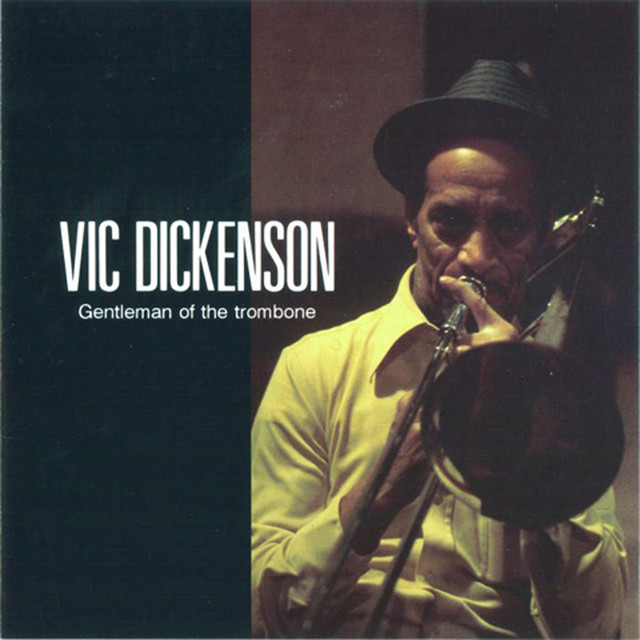
Vic Dickenson

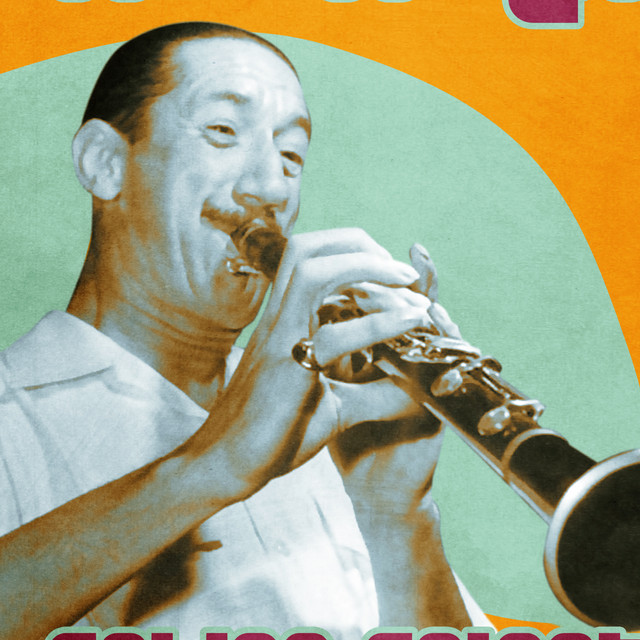
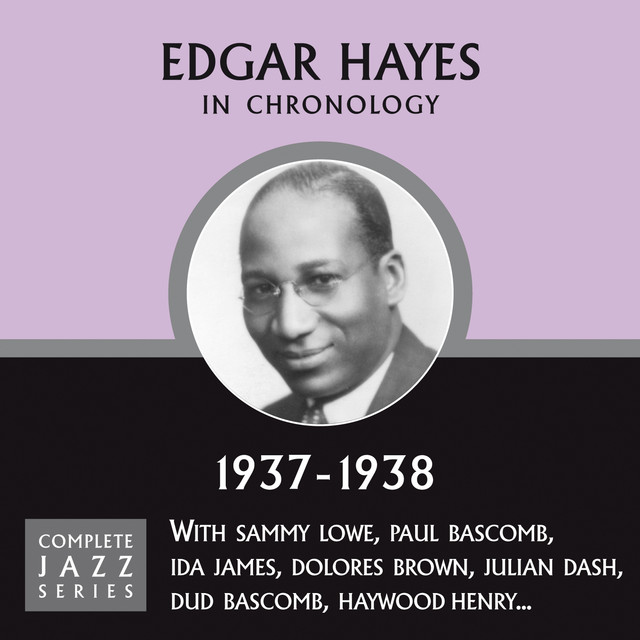
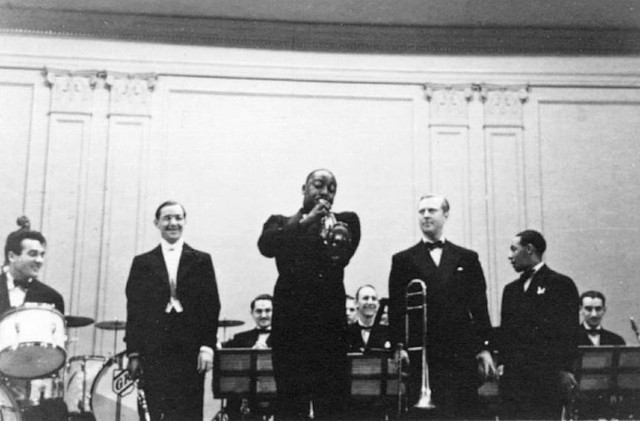
Art Hodes


Pops Foster


Duke Ellington & His Famous Orchestra

Sonny Greer

Jimmy Wyble
Mound City Blue Blowers
James F. Hanley
Teddy Wilson Orchestra
Kansas City Five
Jon-Erik Kellso