Genre
jazz
Top Jazz Artists
Showing 25 of 2,446 artists





About Jazz
Jazz is a living language of improvisation, rhythm, and conversation that defies a single definition. At its core, it is music built to breathe in the moment: players respond to a groove, to each other, and to a shared history that stretches from street parades to concert halls. It thrives on swing, syncopation, blues inflection, and a fearless willingness to reinvent itself.
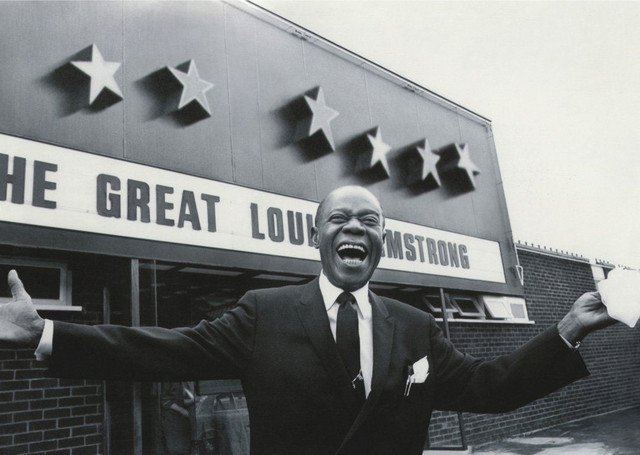
Jazz was born in the United States at the turn of the 20th century, in the improvisational ferment of New Orleans. It grew from a mix of African rhythms, blues, ragtime, and brass-band music, absorbing the sounds of Caribbean, European, and Afro-American communities along the way. Early recordings in the 1910s helped spread the phenomenon beyond New Orleans, and the Jazz Age of the 1920s witnessed a rapid expansion of styles, venues, and audiences. Pioneers such as Louis Armstrong and King Oliver elevated solo improvisation to new heights, while Duke Ellington and his orchestra demonstrated the art of arranging for a large ensemble.
The 1930s brought the Swing Era, with big bands led by Ellington, Count Basie, and others turning jazz into dance music of extraordinary energy and sophistication. By the 1940s, bebop, led by Charlie Parker and Dizzy Gillespie, redefined jazz with virtuosic, fast-paced improvisation and intricate chord changes. The 1950s then offered several paths: Miles Davis and his contemporaries explored cooler, more restrained textures; contemporaries like John Coltrane and Thelonious Monk pushed harmonic and rhythmic boundaries. This period also saw the rise of hard bop, which combined bebop’s complexity with a bluesier, gospel-tinged warmth.
In the 1960s and beyond, jazz continued to diversify. Ornette Coleman and other pioneers introduced free and avant-garde approaches, while modal jazz (as in Miles Davis’s Kind of Blue) offered new ways to explore harmony. The late 1960s and 1970s saw fusion, when jazz embraced electric guitars, synthesizers, and rock-influenced rhythms, exemplified by Herbie Hancock, Chick Corea, and Weather Report. The subsequent decades gave us a broad spectrum: neo-bop revivals, post-bop innovations, and cross-cultural fusions with world music, hip-hop, and beyond. Today, jazz is as much about discovery as it is about tradition.
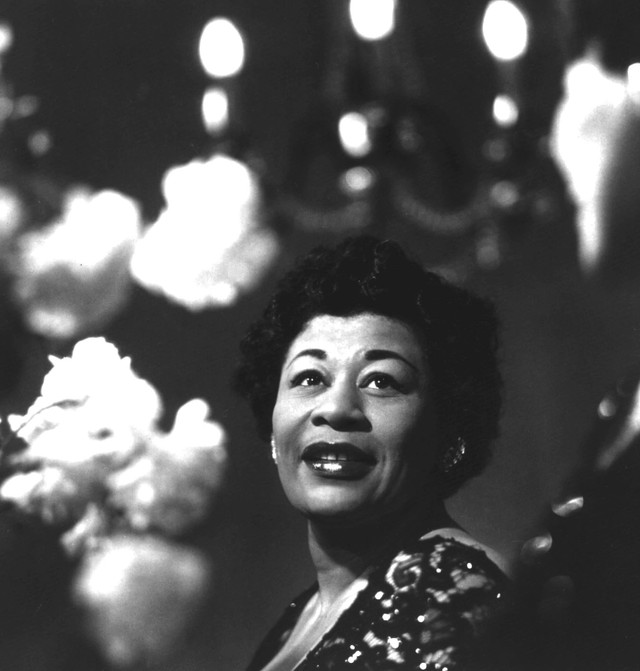
Ambassadors of the genre have included a constellation of legendary figures: Louis Armstrong, Duke Ellington, Ella Fitzgerald, Billie Holiday, Charlie Parker, Miles Davis, John Coltrane, Thelonious Monk, and Sonny Rollins, who each carried the music into new territory. In more recent times, artists like Wynton Marsalis, Herbie Hancock, Diana Krall, Kamasi Washington, and Esperanza Spalding have helped introduce jazz to new generations and wider audiences, often acting as educators and curators as well as performers.
Jazz is truly global. While its heart remains in the United States, it enjoys thriving scenes in France, the United Kingdom, Italy, Sweden, Denmark, and Japan, among others. Cities large and small host festivals, clubs, and schools that nurture improvisation and collaboration. For enthusiasts, jazz offers a vast repertoire—from standards and blues to daring experiments—inviting fresh interpretations while honoring a shared past.
Jazz was born in the United States at the turn of the 20th century, in the improvisational ferment of New Orleans. It grew from a mix of African rhythms, blues, ragtime, and brass-band music, absorbing the sounds of Caribbean, European, and Afro-American communities along the way. Early recordings in the 1910s helped spread the phenomenon beyond New Orleans, and the Jazz Age of the 1920s witnessed a rapid expansion of styles, venues, and audiences. Pioneers such as Louis Armstrong and King Oliver elevated solo improvisation to new heights, while Duke Ellington and his orchestra demonstrated the art of arranging for a large ensemble.
The 1930s brought the Swing Era, with big bands led by Ellington, Count Basie, and others turning jazz into dance music of extraordinary energy and sophistication. By the 1940s, bebop, led by Charlie Parker and Dizzy Gillespie, redefined jazz with virtuosic, fast-paced improvisation and intricate chord changes. The 1950s then offered several paths: Miles Davis and his contemporaries explored cooler, more restrained textures; contemporaries like John Coltrane and Thelonious Monk pushed harmonic and rhythmic boundaries. This period also saw the rise of hard bop, which combined bebop’s complexity with a bluesier, gospel-tinged warmth.
In the 1960s and beyond, jazz continued to diversify. Ornette Coleman and other pioneers introduced free and avant-garde approaches, while modal jazz (as in Miles Davis’s Kind of Blue) offered new ways to explore harmony. The late 1960s and 1970s saw fusion, when jazz embraced electric guitars, synthesizers, and rock-influenced rhythms, exemplified by Herbie Hancock, Chick Corea, and Weather Report. The subsequent decades gave us a broad spectrum: neo-bop revivals, post-bop innovations, and cross-cultural fusions with world music, hip-hop, and beyond. Today, jazz is as much about discovery as it is about tradition.
Ambassadors of the genre have included a constellation of legendary figures: Louis Armstrong, Duke Ellington, Ella Fitzgerald, Billie Holiday, Charlie Parker, Miles Davis, John Coltrane, Thelonious Monk, and Sonny Rollins, who each carried the music into new territory. In more recent times, artists like Wynton Marsalis, Herbie Hancock, Diana Krall, Kamasi Washington, and Esperanza Spalding have helped introduce jazz to new generations and wider audiences, often acting as educators and curators as well as performers.
Jazz is truly global. While its heart remains in the United States, it enjoys thriving scenes in France, the United Kingdom, Italy, Sweden, Denmark, and Japan, among others. Cities large and small host festivals, clubs, and schools that nurture improvisation and collaboration. For enthusiasts, jazz offers a vast repertoire—from standards and blues to daring experiments—inviting fresh interpretations while honoring a shared past.