Data may be outdated
Last updated: 9 months ago — Click refresh to get the latest statistics.
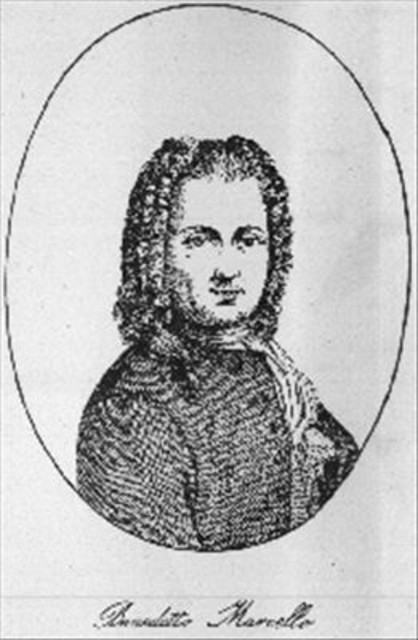
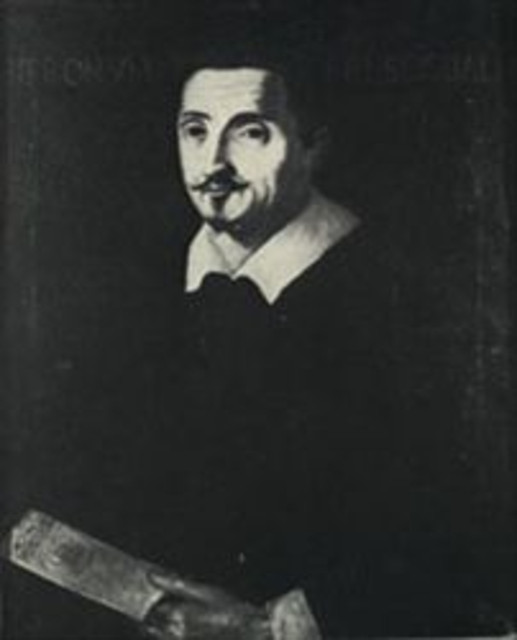
Before the early years of the twentieth century, any list of significant Western composers from past eras would have included the name of Benedetto Marcello. Through his advocacy of a return to the proportional values and simplicity of ancient Greco-Roman civilization, Marcello helped set the stage for the Classical era in Western music, soon to unseat the aesthetic norms of the Baroque in which Marcello lived and worked. Nonetheless, controversy and confusion surrounding his works and history have considerably dimmed Marcello's star. Many of the instrumental works once believed by Marcello are actually by others. Composer <a href="spotify:artist:36VGTEPZnpAU5FfivpFaJO">Alessandro Marcello</a> was Benedetto's older brother, and some of <a href="spotify:artist:36VGTEPZnpAU5FfivpFaJO">Alessandro</a>'s music has been misattributed to Benedetto. Various instrumental pieces attributed to Marcello are merely instrumental arrangements of his Psalmi, in some cases made decades after his death.
Marcello was what eighteenth century chroniclers called a "dilettante"; not a dabbler as in the current vernacular, but an aristocrat who also pursued musical composition as a sideline. Born in Venice, Marcello served the Venetian Republic as a magistrate from about 1708 until 1728, when he was exiled to the resort city of Pula, now in Croatia. In 1738 Marcello was appointed to his final position as chief financial officer of the city of Brescia, but died after less than a year in this job on or around his 53rd birthday.
Marcello was best known in his day through his massively influential eight-volume publication Estro poetico-armonico (1724-1726), popularly known as the "Psalmi." It is a collection of 50 psalm settings for male voices. Marcello's sacred vocal music was revered by most of his contemporaries as representing the supreme example of contrapuntal technique, and he was in use in teaching through the end of the nineteenth century. Scarcely less popular was his treatise, Il teatro alla moda (1720), a satire that skewered the opera world of his time. Marcello wrote nearly 400 cantatas, some so well known that they exist in up to 25 contemporary manuscript copies, in addition to oratorios, operas, and nearly 100 small chamber works for singers. His surviving instrumental catalog is less generous, mostly consisting of keyboard sonatas, but also containing a few sinfonias and concertos. All of Marcello's instrumental music was composed by 1710 or thereabouts; the set of 12 concerti published as Marcello's "Op. 1" in 1708, including the work transcribed by <a href="spotify:artist:5aIqB5nVVvmFsvSdExz408">Johann Sebastian Bach</a> as BWV 981, is lacking its first violin part.
Marcello was what eighteenth century chroniclers called a "dilettante"; not a dabbler as in the current vernacular, but an aristocrat who also pursued musical composition as a sideline. Born in Venice, Marcello served the Venetian Republic as a magistrate from about 1708 until 1728, when he was exiled to the resort city of Pula, now in Croatia. In 1738 Marcello was appointed to his final position as chief financial officer of the city of Brescia, but died after less than a year in this job on or around his 53rd birthday.
Marcello was best known in his day through his massively influential eight-volume publication Estro poetico-armonico (1724-1726), popularly known as the "Psalmi." It is a collection of 50 psalm settings for male voices. Marcello's sacred vocal music was revered by most of his contemporaries as representing the supreme example of contrapuntal technique, and he was in use in teaching through the end of the nineteenth century. Scarcely less popular was his treatise, Il teatro alla moda (1720), a satire that skewered the opera world of his time. Marcello wrote nearly 400 cantatas, some so well known that they exist in up to 25 contemporary manuscript copies, in addition to oratorios, operas, and nearly 100 small chamber works for singers. His surviving instrumental catalog is less generous, mostly consisting of keyboard sonatas, but also containing a few sinfonias and concertos. All of Marcello's instrumental music was composed by 1710 or thereabouts; the set of 12 concerti published as Marcello's "Op. 1" in 1708, including the work transcribed by <a href="spotify:artist:5aIqB5nVVvmFsvSdExz408">Johann Sebastian Bach</a> as BWV 981, is lacking its first violin part.
Monthly Listeners
35,545
Monthly Listeners History
Track the evolution of monthly listeners over the last 28 days.
Followers
7,050
Followers History
Track the evolution of followers over the last 28 days.
Top Cities
543 listeners

513 listeners
487 listeners
459 listeners

371 listeners

Related Artists

Charles Avison



Giuseppe Antonio Brescianello

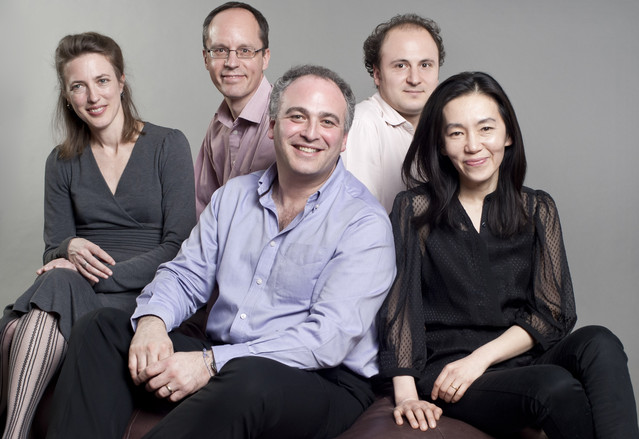
Musica Alchemica

Johann Gottlieb Janitsch
Jean-Joseph Cassanéa De Mondonville
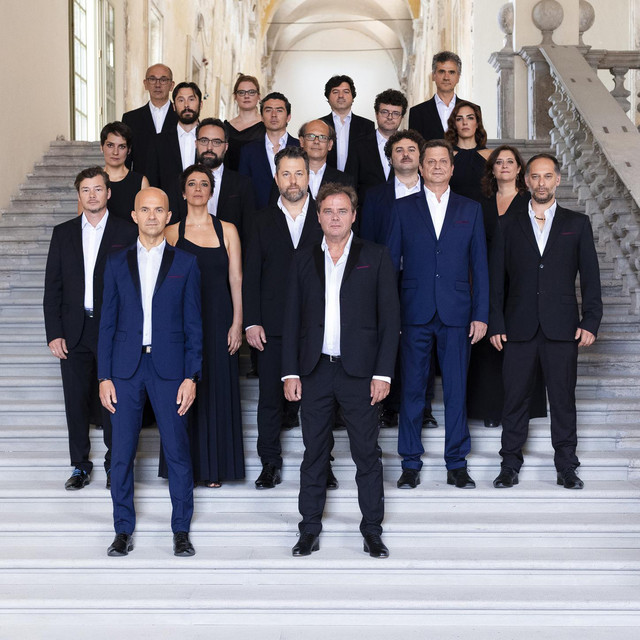
Orchestre De Chambre De Toulouse

Unico Wilhelm van Wassenaer
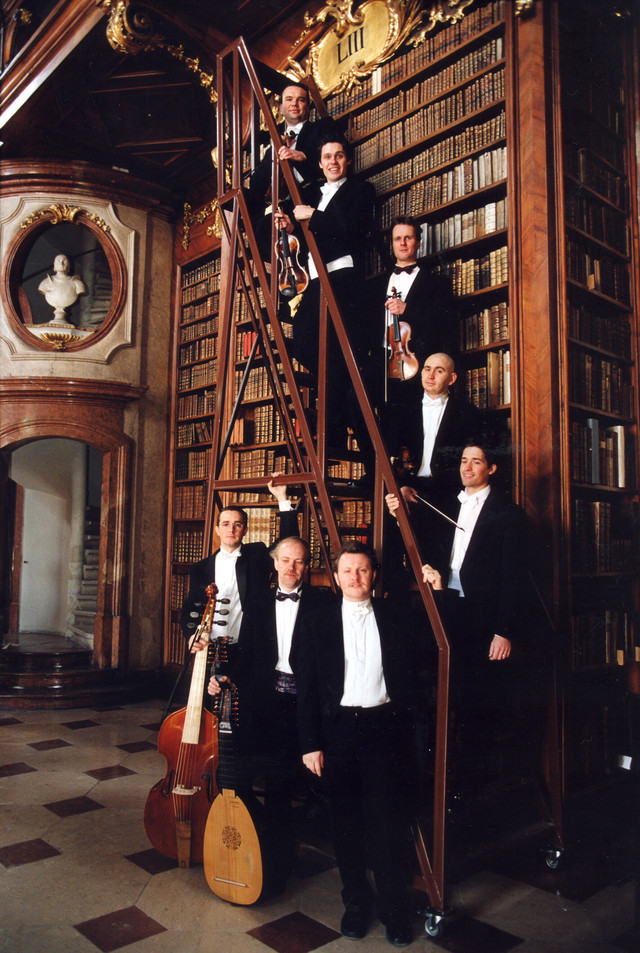
Ars Antiqua Austria
Jean-Baptiste Quentin
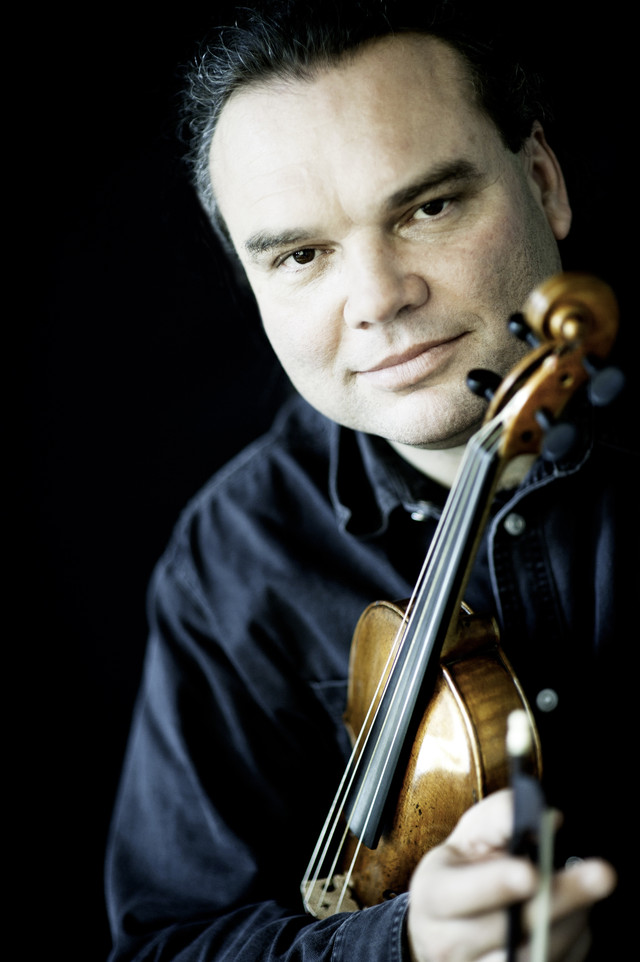
Gunar Letzbor

Giuseppe Sammartini