Genre
baroque
Top Baroque Artists
Showing 25 of 441 artists



About Baroque
Baroque music is the ornate, emotionally expressive European art of the 17th and early 18th centuries. Roughly dated from 1600 to 1750, it grew from the late Renaissance’s sense of ceremony into a language capable of dramatizing devotion, theatre, and courtly life. The term baroque comes from a Portuguese word barroco meaning irregular pearl, a label coined later by art historians to capture the style’s lush, exuberant aesthetics.
It began in Italy, especially in Venice, Rome, and Florence, where the theatre and church funded new musical forms. The birth of opera—Monteverdi’s Orfeo (1607) and the early experiments that followed—showed how music could propel narrative and emotion. The practical backbone of Baroque practice was the basso continuo: a keyboard (harpsichord or organ) and a bass instrument realizing a figured bass, providing a flexible harmonic underpinning for soaring vocal lines. Instrumental music widened the palette: the violin family took center stage, while ensembles grew in size and color to yield dramatic contrasts and sumptuous textures.
Baroque composers also developed a suite of forms that became the era’s architectural language: the concerto and concerto grosso, the overture, the suite, the fugue, the cantata, the oratorio, and the keyboard cycle. The doctrine of affections—each piece or movement aiming to express a specific mood—guided dramatic contrasts in texture, tempo, and dynamics. Dynamic shifts often arrived as terraced dynamics—loud and soft without gradual crescendos, a consequence of performance on organs and harpsichords rather than modern pianos.
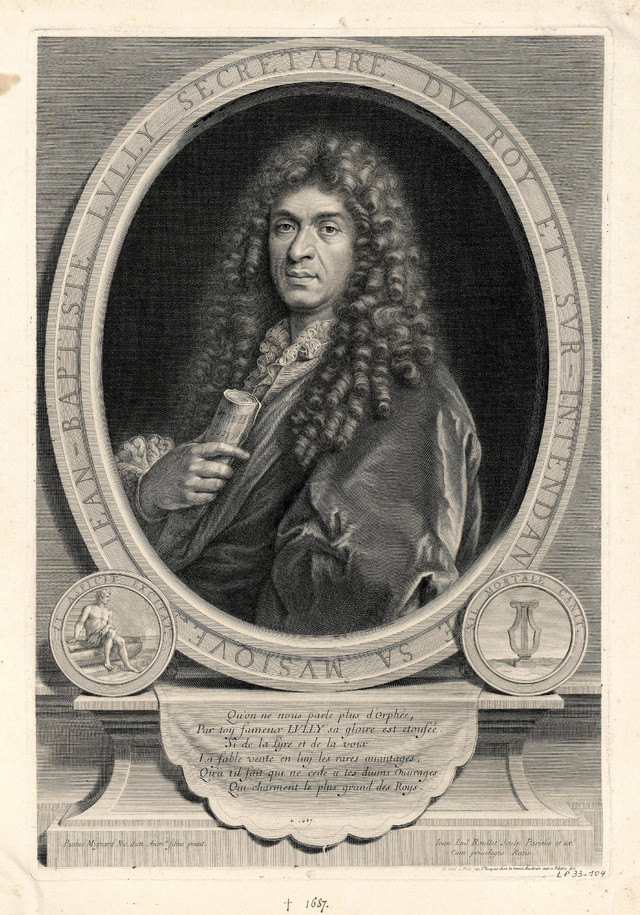
Ambassadors of Baroque music include Claudio Monteverdi, who bridged Renaissance and Baroque with his operas and sacred music; Arcangelo Corelli, whose violin concertos and Trio Sonatas helped codify the concerto form; Antonio Vivaldi, a master of bright ritornello-driven program music with nearly 500 concertos to his name, including the Four Seasons; Johann Sebastian Bach, whose fugues, organ works, and monumental choral cycles crystallize Baroque architecture; George Frideric Handel, who fused opera, oratorio, and vocal display in works like Messiah and the Water Music; Henry Purcell in England, and Jean-Baptiste Lully in France, who shaped national flavors within the Baroque idiom.
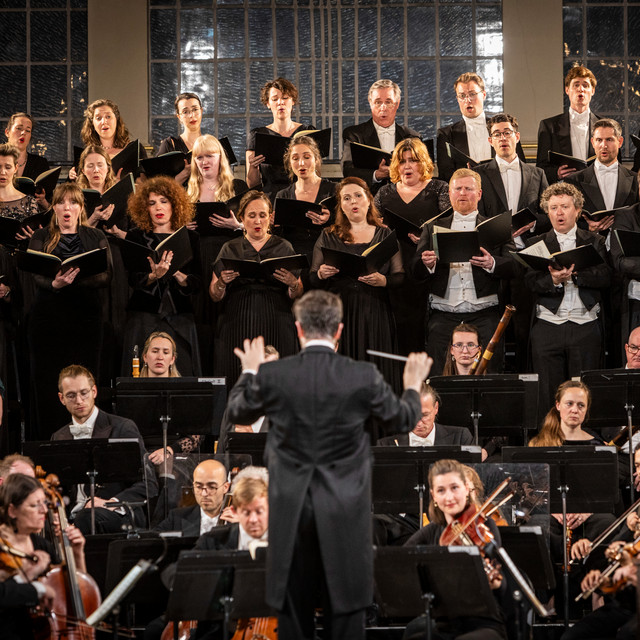
Geographically, Baroque music flourished in Italy, Germany, France, and England, later nourishing the broader European and colonial scenes. In the 19th and 20th centuries, Baroque fell out of favor with the rise of Classicism and Romanticism but was revived by the historically informed performance movement. Today Baroque remains a global fascination, performed with period instruments and archival practice, appealing to enthusiasts who relish its architectural complexity, tactile virtuosity, and inexhaustible emotional range.
It began in Italy, especially in Venice, Rome, and Florence, where the theatre and church funded new musical forms. The birth of opera—Monteverdi’s Orfeo (1607) and the early experiments that followed—showed how music could propel narrative and emotion. The practical backbone of Baroque practice was the basso continuo: a keyboard (harpsichord or organ) and a bass instrument realizing a figured bass, providing a flexible harmonic underpinning for soaring vocal lines. Instrumental music widened the palette: the violin family took center stage, while ensembles grew in size and color to yield dramatic contrasts and sumptuous textures.
Baroque composers also developed a suite of forms that became the era’s architectural language: the concerto and concerto grosso, the overture, the suite, the fugue, the cantata, the oratorio, and the keyboard cycle. The doctrine of affections—each piece or movement aiming to express a specific mood—guided dramatic contrasts in texture, tempo, and dynamics. Dynamic shifts often arrived as terraced dynamics—loud and soft without gradual crescendos, a consequence of performance on organs and harpsichords rather than modern pianos.
Ambassadors of Baroque music include Claudio Monteverdi, who bridged Renaissance and Baroque with his operas and sacred music; Arcangelo Corelli, whose violin concertos and Trio Sonatas helped codify the concerto form; Antonio Vivaldi, a master of bright ritornello-driven program music with nearly 500 concertos to his name, including the Four Seasons; Johann Sebastian Bach, whose fugues, organ works, and monumental choral cycles crystallize Baroque architecture; George Frideric Handel, who fused opera, oratorio, and vocal display in works like Messiah and the Water Music; Henry Purcell in England, and Jean-Baptiste Lully in France, who shaped national flavors within the Baroque idiom.
Geographically, Baroque music flourished in Italy, Germany, France, and England, later nourishing the broader European and colonial scenes. In the 19th and 20th centuries, Baroque fell out of favor with the rise of Classicism and Romanticism but was revived by the historically informed performance movement. Today Baroque remains a global fascination, performed with period instruments and archival practice, appealing to enthusiasts who relish its architectural complexity, tactile virtuosity, and inexhaustible emotional range.