Data may be outdated
Last updated: 8 months ago — Click refresh to get the latest statistics.
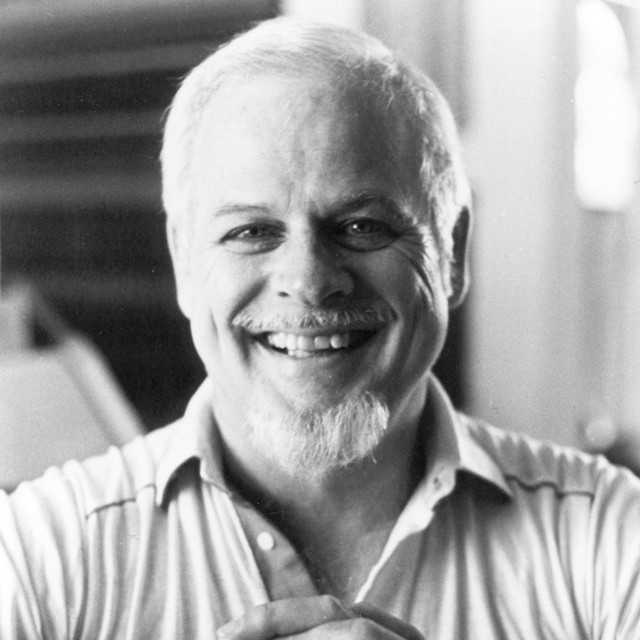
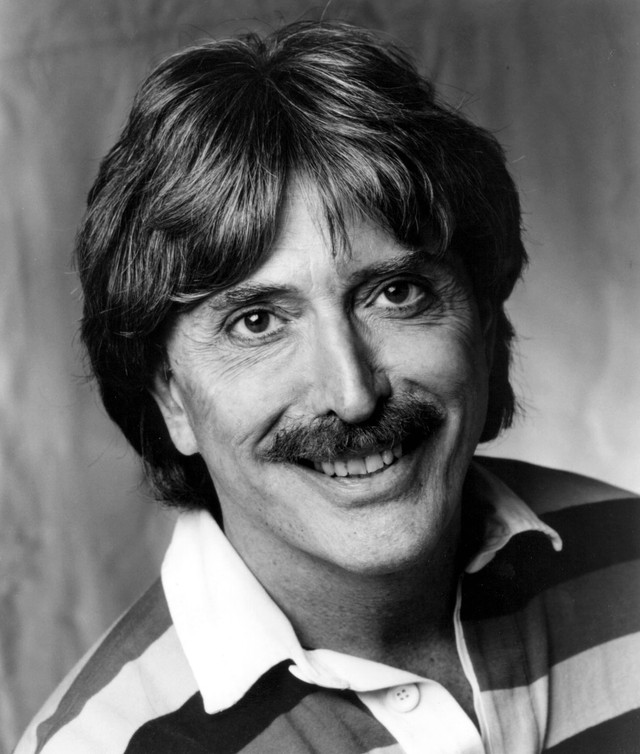
Among the "coolest" of the West Coast tenor players of the 1950s, Bill Perkins in later years became a bit influenced by <a href="spotify:artist:2hGh5VOeeqimQFxqXvfCUf">John Coltrane</a> and modernized his style in a personal way. A flexible and versatile musician who also played baritone, alto, soprano, and flute, Perkins was best-known for his work on tenor. Born in San Francisco, he grew up in Chile, moved to Santa Barbara, and served in the military in World War II. After studying music and engineering, he played in the big bands of Jerry Wald, <a href="spotify:artist:2KSxJY1WxGGVYSmoM0N54P">Woody Herman</a> (1951-1953 and 1954), and <a href="spotify:artist:27hSR8e34ZM5vj5fUFixyb">Stan Kenton</a> (1953-1954 and 1955-1958). "Perk" started recording as a leader in 1956 (most notably Grand Encounter with <a href="spotify:artist:7G7zZjjTwBZ9vzaoogk95s">John Lewis</a>), including sets with <a href="spotify:artist:3GpMtIOC5ZLvMBMI7IxPvA">Art Pepper</a> and <a href="spotify:artist:6j1TTh8EVDc0eev9ahv2Rx">Richie Kamuca</a>. During the 1960s he had a dual career as a studio musician and a recording engineer, and during 1970-1992 he was a member of the Tonight Show Band. Since then, Perkins played baritone and tenor with <a href="spotify:artist:3giCzZfV5UmeM2alyuLV4X">the Lighthouse All-Stars</a> and was a member of <a href="spotify:artist:2UuKUaomk3bZ0nHM3Y3FdW">the Bud Shank Sextet</a>, in addition to heading his own sessions for a variety of labels. He died on August 10, 2003 of cancer at the age of 79.~ Scott Yanow
Monthly Listeners
16,621
Monthly Listeners History
Track the evolution of monthly listeners over the last 28 days.
Followers
1,624
Followers History
Track the evolution of followers over the last 28 days.
Top Cities


Related Artists





Joe Roland
The George Shearing Quintet And Orchestra