Genre
cool jazz
Top Cool jazz Artists
Showing 25 of 1,263 artists
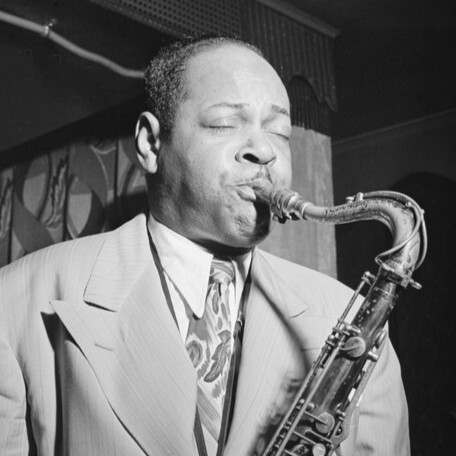
About Cool jazz
Cool jazz is a refined, introspective offshoot of bebop that crystallized in the late 1940s and early 1950s. It marked a deliberate move away from bebop’s frenzied tempos and jagged lines toward spacious phrasing, softer dynamics, and a more lyrical, almost chamber-like approach to improvisation. The aesthetic draw is clarity of tone, color over virtuosic speed, and an emphasis on arrangement and texture as well as melody.
The movement grew out of a confluence of postwar optimism and a search for an alternative to the dizzying pace of bebop. A defining moment was Miles Davis’s Birth of the Cool sessions (recorded 1949–50, released 1957). Produced with innovative arrangements by Gil Evans, the nonet blended unusual timbres—French horn, tuba, muted brass, cool winds—with measured tempos and dissonant-but-toned harmonies. This record effectively announced cool jazz to a listening public hungry for something more atmospheric and refined. Parallel currents emerged on the West Coast, shaping what critics labeled West Coast jazz: a focus on calm, balance, and nuanced ensemble playing.
Key attributes of cool jazz include: relaxed or restrained tempos; a lighter, often breathier trumpet tone; smoother, more legato lines; careful attention to arrangement and space; and an avoidance of the blistering virtuosity that defined bebop. It often features counterpoint, intricate but non-agonizingly dense textures, and a sense that silence and pause are as musical as sound. Pianoless ensembles, a Mulligan–Baker hallmark, and the collaborative, orchestrated color palettes cultivated by Evans became hallmarks of the sound.
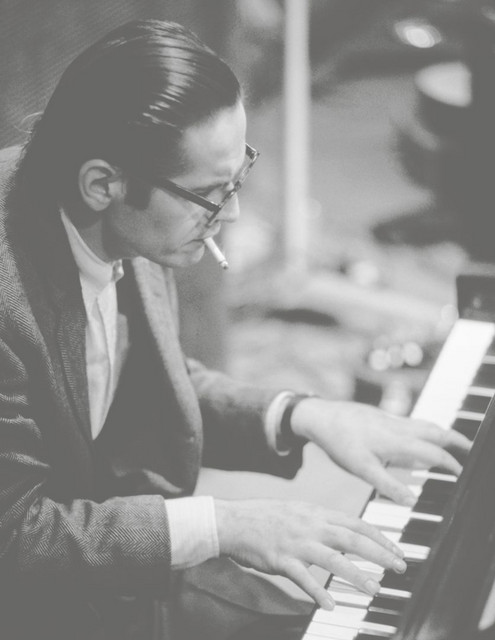
Ambassadors and essential voices span continents and generations. In addition to Miles Davis and Gil Evans, Gerry Mulligan and Chet Baker epitomized the pianoless California quartet and the singer-trumpeter blend that gave cool its intimate, almost vocal character. Paul Desmond, with the Dave Brubeck Quartet, helped popularize a lyrical alto voice and buoyant, unhurried swing. Stan Getz, whose tenor tone was famously glassy and singsong, brought cool sensibilities into mainstream jazz, especially in collaborations and later in the bossa nova crossover that broadened the genre’s reach. Lennie Tristano and his followers, including Lee Konitz and Warne Marsh, pushed intellectual and melodic restraint, becoming an influential if slightly more austere strand of the movement. Bill Evans, straddling cool refinement and the emerging modal language, also contributed to the era’s emphasis on mood and color.
Cool jazz found its strongest footing in the United States, especially on the West Coast, but its appeal quickly transcended borders. Europe embraced it with enthusiasm in France, the UK, Italy, and Scandinavia, where European players absorbed its emphasis on tone, balance, and arrangement. Japan and other parts of Asia likewise developed dedicated audiences, driven by Miles Davis’s and other cool-era recordings.
For listeners and enthusiasts today, cool jazz offers a listening experience that rewards attentive listening: the beauty of tone, the interplay of careful arranging and spontaneous invention, and the sense of space that makes each note count. It remains a mood-inflected doorway into jazz’s broader modernist horizons.
The movement grew out of a confluence of postwar optimism and a search for an alternative to the dizzying pace of bebop. A defining moment was Miles Davis’s Birth of the Cool sessions (recorded 1949–50, released 1957). Produced with innovative arrangements by Gil Evans, the nonet blended unusual timbres—French horn, tuba, muted brass, cool winds—with measured tempos and dissonant-but-toned harmonies. This record effectively announced cool jazz to a listening public hungry for something more atmospheric and refined. Parallel currents emerged on the West Coast, shaping what critics labeled West Coast jazz: a focus on calm, balance, and nuanced ensemble playing.
Key attributes of cool jazz include: relaxed or restrained tempos; a lighter, often breathier trumpet tone; smoother, more legato lines; careful attention to arrangement and space; and an avoidance of the blistering virtuosity that defined bebop. It often features counterpoint, intricate but non-agonizingly dense textures, and a sense that silence and pause are as musical as sound. Pianoless ensembles, a Mulligan–Baker hallmark, and the collaborative, orchestrated color palettes cultivated by Evans became hallmarks of the sound.
Ambassadors and essential voices span continents and generations. In addition to Miles Davis and Gil Evans, Gerry Mulligan and Chet Baker epitomized the pianoless California quartet and the singer-trumpeter blend that gave cool its intimate, almost vocal character. Paul Desmond, with the Dave Brubeck Quartet, helped popularize a lyrical alto voice and buoyant, unhurried swing. Stan Getz, whose tenor tone was famously glassy and singsong, brought cool sensibilities into mainstream jazz, especially in collaborations and later in the bossa nova crossover that broadened the genre’s reach. Lennie Tristano and his followers, including Lee Konitz and Warne Marsh, pushed intellectual and melodic restraint, becoming an influential if slightly more austere strand of the movement. Bill Evans, straddling cool refinement and the emerging modal language, also contributed to the era’s emphasis on mood and color.
Cool jazz found its strongest footing in the United States, especially on the West Coast, but its appeal quickly transcended borders. Europe embraced it with enthusiasm in France, the UK, Italy, and Scandinavia, where European players absorbed its emphasis on tone, balance, and arrangement. Japan and other parts of Asia likewise developed dedicated audiences, driven by Miles Davis’s and other cool-era recordings.
For listeners and enthusiasts today, cool jazz offers a listening experience that rewards attentive listening: the beauty of tone, the interplay of careful arranging and spontaneous invention, and the sense of space that makes each note count. It remains a mood-inflected doorway into jazz’s broader modernist horizons.