Data may be outdated
Last updated: 7 months ago — Click refresh to get the latest statistics.
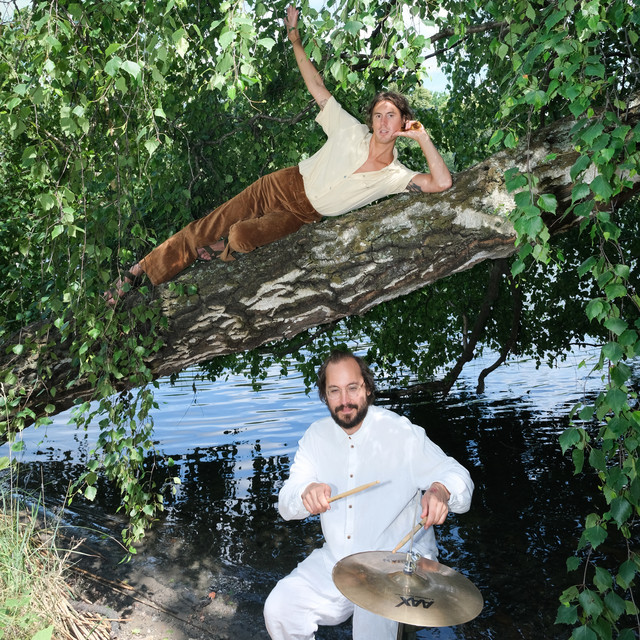
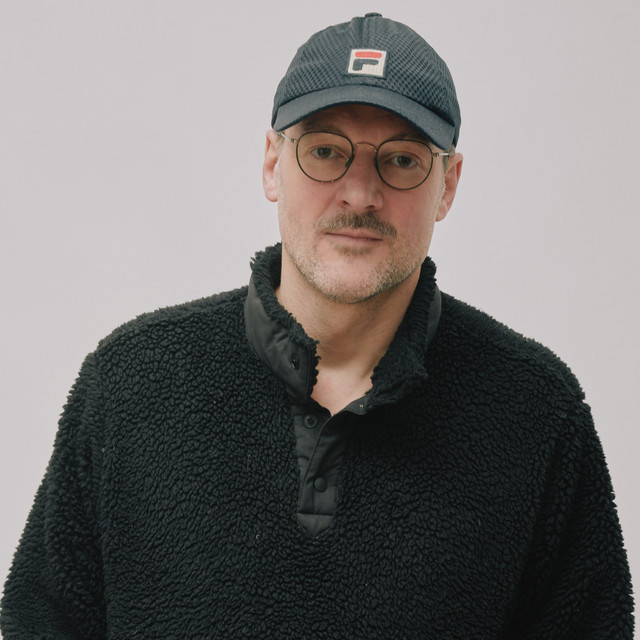
Responsible for an eclectic, sometimes playful mix of disco, house, Krautrock, ambient, and other genres, Bjørn Torske is one of Norway's most respected electronic producers. First active during the early '90s, when he produced techno as part of Ismistik (among other projects), he switched to his own name for the 1998 deep house full-length Nedi Myra. The smoother, more downtempo Trøbbel followed in 2001, and from there, Torske's output only became more unpredictable, with 2007's Feil Knapp dipping into styles such as dub and chiptune. Following 2017's collaboration with <a href="spotify:artist:4rsEVNO1tGTY0beCnsnHi6">Prins Thomas</a>, Square One, Torske released Byen in 2018.
Bjørn Torske started experimenting with electronic music in the late '80s in his hometown of Tromsø. As a teenager, he was inspired by other Tromsø musicians, especially <a href="spotify:artist:57mN8tApCtBoEzAXcG8t75">Geir Jenssen</a>, the musical prodigy later to be known as ambient pioneer <a href="spotify:artist:2rcnAZ6DvORQ365X3zVYpr">Biosphere</a>. Torske started releasing minimalist techno in the beginning of the '90s, primarily as part of the duo Ismistik (which just consisted of Torske by the time full-length Remain appeared in 1995). By the middle of the decade he had released a dozen 12" singles on different labels such as <a href="spotify:search:label%3A%22Djax-Up-Beats%22">Djax-Up-Beats</a> and <a href="spotify:search:label%3A%22Reinforced+Records%22">Reinforced Records</a>, using the Ismistik name and others, such as Krisp and Open Skies. By then he was already considered a Norwegian techno and house pioneer; however, his big breakthrough as a producer came when he released his Nedi Myra LP on <a href="spotify:search:label%3A%22Ferox%22">Ferox</a> in 1998. Nedi Myra was highly appreciated by house lovers as well as the dance music press. By the release of Nedi Myra, Torske was also a member of <a href="spotify:artist:6S4XhkVOM5vYv2m8DTvKPl">Drum Island</a>, a group that later transformed into the much more famous duo <a href="spotify:artist:5nPOO9iTcrs9k6yFffPxjH">Röyksopp</a>.
Torske eventually moved to Bergen, Norway, but continued traveling all over world and became a world-class DJ. He released the acclaimed LP Trøbbel (<a href="spotify:search:label%3A%22Tell%C3%A9+Records%22">Tellé Records</a>) in 2001 and returned with his most experimental release to date, the Feil Knapp LP (<a href="spotify:search:label%3A%22Smalltown+Supersound%22">Smalltown Supersound</a>), in the spring 2007. The sound on Feil Knapp (Norwegian for "wrong button") was inspired by everything from techno to dub, alternative pop, and left-field electronica. The relatively loose Kokning, released in 2010, placed an emphasis on analog gear. Torske continued releasing singles on EPs, both on <a href="spotify:search:label%3A%22Smalltown%22">Smalltown</a> as well as cult Norwegian house label Sex Tags Mania. In 2017, <a href="spotify:search:label%3A%22Smalltown%22">Smalltown</a> released Square One, Torske's full-length collaboration with space disco luminary <a href="spotify:artist:4rsEVNO1tGTY0beCnsnHi6">Prins Thomas</a>. Torske's first solo album in eight years, Byen, followed in 2018. ~ Ketil Mosnes, Rovi
Bjørn Torske started experimenting with electronic music in the late '80s in his hometown of Tromsø. As a teenager, he was inspired by other Tromsø musicians, especially <a href="spotify:artist:57mN8tApCtBoEzAXcG8t75">Geir Jenssen</a>, the musical prodigy later to be known as ambient pioneer <a href="spotify:artist:2rcnAZ6DvORQ365X3zVYpr">Biosphere</a>. Torske started releasing minimalist techno in the beginning of the '90s, primarily as part of the duo Ismistik (which just consisted of Torske by the time full-length Remain appeared in 1995). By the middle of the decade he had released a dozen 12" singles on different labels such as <a href="spotify:search:label%3A%22Djax-Up-Beats%22">Djax-Up-Beats</a> and <a href="spotify:search:label%3A%22Reinforced+Records%22">Reinforced Records</a>, using the Ismistik name and others, such as Krisp and Open Skies. By then he was already considered a Norwegian techno and house pioneer; however, his big breakthrough as a producer came when he released his Nedi Myra LP on <a href="spotify:search:label%3A%22Ferox%22">Ferox</a> in 1998. Nedi Myra was highly appreciated by house lovers as well as the dance music press. By the release of Nedi Myra, Torske was also a member of <a href="spotify:artist:6S4XhkVOM5vYv2m8DTvKPl">Drum Island</a>, a group that later transformed into the much more famous duo <a href="spotify:artist:5nPOO9iTcrs9k6yFffPxjH">Röyksopp</a>.
Torske eventually moved to Bergen, Norway, but continued traveling all over world and became a world-class DJ. He released the acclaimed LP Trøbbel (<a href="spotify:search:label%3A%22Tell%C3%A9+Records%22">Tellé Records</a>) in 2001 and returned with his most experimental release to date, the Feil Knapp LP (<a href="spotify:search:label%3A%22Smalltown+Supersound%22">Smalltown Supersound</a>), in the spring 2007. The sound on Feil Knapp (Norwegian for "wrong button") was inspired by everything from techno to dub, alternative pop, and left-field electronica. The relatively loose Kokning, released in 2010, placed an emphasis on analog gear. Torske continued releasing singles on EPs, both on <a href="spotify:search:label%3A%22Smalltown%22">Smalltown</a> as well as cult Norwegian house label Sex Tags Mania. In 2017, <a href="spotify:search:label%3A%22Smalltown%22">Smalltown</a> released Square One, Torske's full-length collaboration with space disco luminary <a href="spotify:artist:4rsEVNO1tGTY0beCnsnHi6">Prins Thomas</a>. Torske's first solo album in eight years, Byen, followed in 2018. ~ Ketil Mosnes, Rovi
Monthly Listeners
16,843
Monthly Listeners History
Track the evolution of monthly listeners over the last 28 days.
Followers
19,514
Followers History
Track the evolution of followers over the last 28 days.
Top Cities
959 listeners

509 listeners

316 listeners

291 listeners

280 listeners