Last updated: 10 hours ago
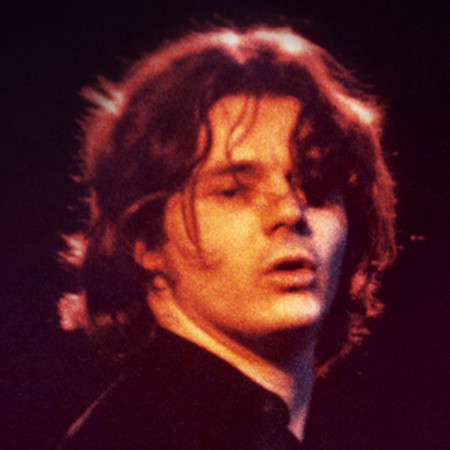
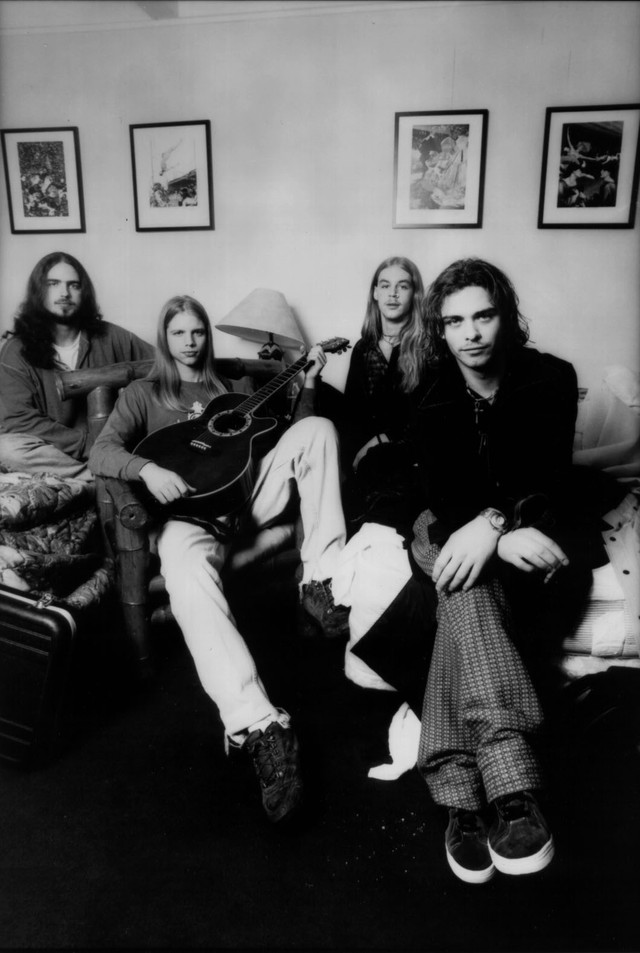
Whereas most up-and-coming alternative bands of the early '90s borrowed from the leaders of the pack (<a href="spotify:artist:6olE6TJLqED3rqDCT0FyPh">Nirvana</a>, <a href="spotify:artist:5xUf6j4upBrXZPg6AI4MRK">Soundgarden</a>, <a href="spotify:artist:0X380XXQSNBYuleKzav5UO">Nine Inch Nails</a>, etc.), Blind Melon were an exception to the rule -- their roots lay in classic rock (<a href="spotify:artist:4MVyzYMgTwdP7Z49wAZHx0">Lynyrd Skynyrd</a>, <a href="spotify:artist:4TMHGUX5WI7OOm53PqSDAT">Grateful Dead</a>, <a href="spotify:artist:36QJpDe2go2KgaRleHCDTp">Led Zeppelin</a>). And while a promising career lay ahead of them, tragedy would ultimately end the band abruptly. The group came together in 1990 in Los Angeles, although all their respective members had migrated there from other U.S. locales (singer Shannon Hoon from Indiana; guitarist Christopher Thorn from Pennsylvania; and guitarist Rogers Stevens, bassist <a href="spotify:artist:2lAnrodzRIl5vfxvlNrJ4D">Brad Smith</a>, and drummer Glenn Graham all hailed from Mississippi). The complete opposite of all the glossed-up glam metal that was permeating the Sunset Strip at the time, the quintet used a refreshing back-to-basics approach, both musically and visually (giving off a heavy retro vibe early on). The band considered several names -- Brown Cow, Mud Bird, Naked Pilgrims, and Head Train -- before agreeing on Blind Melon, a phrase that <a href="spotify:artist:2lAnrodzRIl5vfxvlNrJ4D">Smith</a>'s father would use to describe a couple of hippie neighbors from back home in Mississippi.
With the band's lineup and name solidified, Capitol Records became interested solely on the strength of a four-song demo, titled The Goodfoot Workshop. Although Blind Melon only had a limited repertoire of songs at the time, they managed to convince Capitol that they had a healthy backlog of compositions, and were signed in 1991. The band set out shortly thereafter to work on an EP, produced by longtime <a href="spotify:artist:6v8FB84lnmJs434UJf2Mrm">Neil Young</a> producer David Briggs and titled The Sippin' Time Sessions. But when the end results came out surprisingly slick and doctored, the project was shelved. Hoon, in the meantime, became reacquainted with an old friend of his sister's from back home in Indiana, <a href="spotify:artist:3qm84nBOXUEQ2vnTfUTTFC">Guns N' Roses</a>' frontman <a href="spotify:artist:6lig3yUbu7r6VhnB8YGSlF">Axl Rose</a>, who invited Hoon to sing backup on several tracks for <a href="spotify:artist:3qm84nBOXUEQ2vnTfUTTFC">Guns N' Roses</a>' Use Your Illusion I set. Hoon lent his vocal talents to several tracks, the best-known being the ballad "Don't Cry," even appearing along with <a href="spotify:artist:3qm84nBOXUEQ2vnTfUTTFC">GNR</a> in the song's epic video. Doubled with a high-profile appearance on MTV's 120 Minutes Tour in the spring of 1992 (along with <a href="spotify:artist:6eoJpTIlcuxJNjV5fDzDJH">Live</a>, <a href="spotify:artist:7hqZBHSgDs1odG9aupMzEI">Big Audio Dynamite</a>, and <a href="spotify:artist:70MMkLXtue3Edj3RJhJkYp">Public Image Ltd.</a>), a buzz began to emerge regarding Blind Melon. The only problem was, they still didn't have an album in the racks.
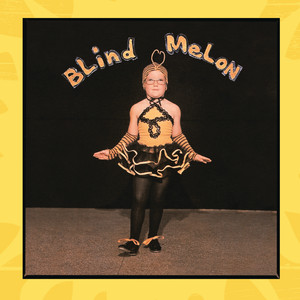
The band had gone back into the studio earlier in the year with <a href="spotify:artist:0iHb0mCbqZTYeb4y9Pirrd">Temple of the Dog</a>/<a href="spotify:artist:1w5Kfo2jwwIPruYS2UWh56">Pearl Jam</a> producer Rick Parashar, and although the sessions were completed by springtime, their self-titled debut didn't see the light of day until September 1992, by which time their springtime industry buzz had long since dissipated. For the remainder of the year and the early part of 1993, the quintet toured U.S. clubs nonstop (as well as landing arena opening slots for their pals <a href="spotify:artist:3qm84nBOXUEQ2vnTfUTTFC">Guns N' Roses</a>). Although several videos/singles came and went without much MTV/radio fanfare, the Samuel Bayer-directed clip for their upbeat ditty "No Rain" (in which Blind Melon's album cover -- which included an old picture of Graham's sister dressed in a bumblebee-like outfit -- came to life) became a smash and catapulted the single and the album to the top of the charts (Blind Melon would eventually go platinum four times over).
Blind Melon spent the remainder of 1993 on the road opening for <a href="spotify:artist:6v8FB84lnmJs434UJf2Mrm">Neil Young</a> and <a href="spotify:artist:5gznATMVO85ZcLTkE9ULU7">Lenny Kravitz</a>, before embarking on their own headlining tour of theaters in 1994 (during which time they were nominated for a pair of Grammys, for Best New Artist and Best Rock Performance). But it was during this time that drug use spiraled out of control for Hoon, and the band was forced to pull the plug on the remainder of the tour as Hoon sought treatment. Blind Melon managed to play a few more shows later in the year -- handing in a memorable appearance at Woodstock '94 and opening up for <a href="spotify:artist:22bE4uQ6baNwSHPVcDxLCe">the Rolling Stones</a> on select dates in September. Recording sessions began in the fall of 1994 for their sophomore effort in New Orleans, with renowned producer Andy Wallace behind the boards.
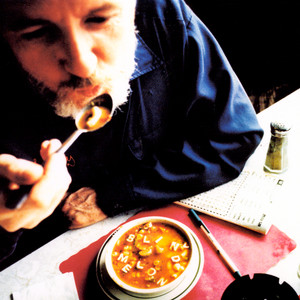
The sessions were productive but not without some turbulence -- Hoon was still indulging in substances, leading to an arrest for drunkenly fighting with an off-duty policeman (Hoon would later admit that he had no memory of most of the recording sessions). Once the album was completed in the spring of 1995, Hoon checked himself into another rehab facility at the insistence of his bandmates, which pushed the release date of the album, titled Soup, to late summer. A month before the album appeared in August, Hoon's girlfriend gave birth to the couple's first child, which Hoon said in interviews had given him a new lease on life and a reason to straighten out once and for all. The dark and challenging Soup was a true diamond in the rough, but when it was finally released, the album was savagely bashed by fickle critics everywhere, which in turn led to a cool reception by the record-buying public (peaking at number 28 on the Billboard album charts).
Concerned but eager to get back on tour, the band hit the road once again. Drug counselors at the facility that Hoon had been admitted to warned the band's management that Hoon wasn't ready for the temptations of the road just yet. But Hoon convinced everyone that he was and a drug counselor/caretaker was hired to accompany him. After a month and a half of dates, the counselor was sent packing and Hoon returned to his dangerous ways. Just a few days later, on October 21, Hoon was found dead on Blind Melon's tour bus from an apparent drug overdose, at the age of 28.
Blind Melon took an extended break to try and pick up the pieces and decide what they would do next. During the interim, the bandmembers finished off some rough tracks Hoon had completed his vocal parts for, resulting in the release of Nico in November of 1996 (the album was named after Hoon's infant daughter, with a portion of the proceeds being donated to Musicians Assistants Program [MAP], an organization that helps artists recover from drug and alcohol addiction). In conjunction with the album's release came the home video Letters from a Porcupine, which chronicled Blind Melon's history via interviews and live performances (the video was nominated for a Grammy Award in 1998 for Best Long Form Music Video).
Blind Melon decided to carry on under a different name and with a new singer -- placing ads in music papers and auditioning several prospective frontmen. But it didn't click, and after an attempt at having <a href="spotify:artist:2lAnrodzRIl5vfxvlNrJ4D">Smith</a> double as the lead signer in addition to his bass playing duties, the bandmembers ultimately decided to go their separate ways. Stevens formed the New York-based band <a href="spotify:artist:2cCu6uufLQQXauZxBVB3va">Extra Virgin</a> with singer Rene Lopez (one of the vocalists who had recently tried out for Blind Melon), who issued the album Twelve Stories High in 1999, while <a href="spotify:artist:2lAnrodzRIl5vfxvlNrJ4D">Smith</a> and Thorn formed <a href="spotify:artist:3c9W7zDUYt7LooTc6khixu">Unified Theory</a> with singer Chris Shinn -- signing with Universal and issuing a self-titled release in 2000. In addition, Thorn has produced other artists (<a href="spotify:artist:2UMP3xpO7bWtWZLZmPgw0I">Amy Correia</a>, Zen Mafia, <a href="spotify:artist:4maCYqr7N1omcsV3eCjduW">Gus</a>, <a href="spotify:artist:2mkwyLGbIXTkzHtT6V2eLT">Jonny Kaplan</a>) and played guitar on <a href="spotify:artist:6eoJpTIlcuxJNjV5fDzDJH">Live</a>'s 1999 release The Distance to Here. <a href="spotify:artist:2lAnrodzRIl5vfxvlNrJ4D">Smith</a>'s solo debut (under the alias <a href="spotify:artist:5A8R5twYNL4XnL4xxIhrLS">Abandon Jalopy</a>), titled Mercy, an album he began writing and recording shortly after Hoon's death (several tracks are about his late bandmate), was released in 2001.
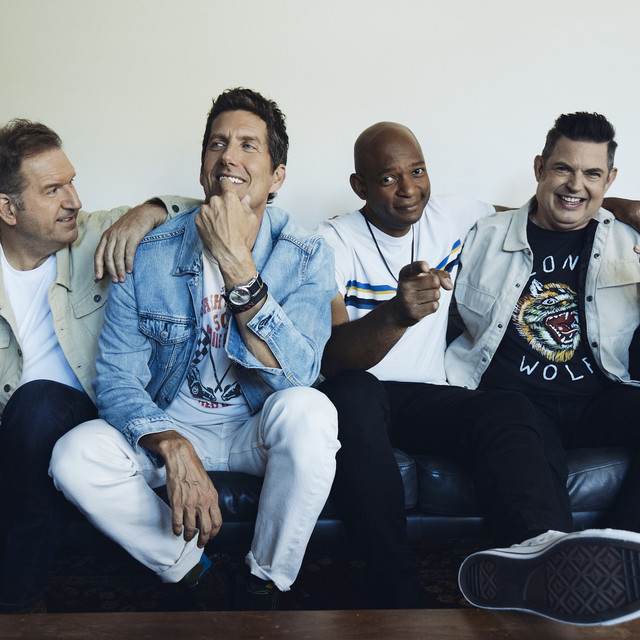
Later the same year, Blind Melon were featured on an episode of VH1's popular Behind the Music series, and Letters from a Porcupine was reissued as a DVD. The Classic Masters retrospective appeared in 2002, but 2005's Best of Blind Melon was more in-depth, offering previously unreleased live material, songs culled from soundtracks, and a bonus DVD of music videos and more live material. In 2006, Blind Melon surprised fans by announcing that they were reuniting, with new singer Travis Warren in tow. The group's first new studio effort in nearly 13 years, For My Friends, followed in April 2008. Several months later, a book that chronicled the band's entire history, A Devil on One Shoulder and an Angel on the Other: The Story of Shannon Hoon and Blind Melon, appeared. ~ Greg Prato, Rovi
With the band's lineup and name solidified, Capitol Records became interested solely on the strength of a four-song demo, titled The Goodfoot Workshop. Although Blind Melon only had a limited repertoire of songs at the time, they managed to convince Capitol that they had a healthy backlog of compositions, and were signed in 1991. The band set out shortly thereafter to work on an EP, produced by longtime <a href="spotify:artist:6v8FB84lnmJs434UJf2Mrm">Neil Young</a> producer David Briggs and titled The Sippin' Time Sessions. But when the end results came out surprisingly slick and doctored, the project was shelved. Hoon, in the meantime, became reacquainted with an old friend of his sister's from back home in Indiana, <a href="spotify:artist:3qm84nBOXUEQ2vnTfUTTFC">Guns N' Roses</a>' frontman <a href="spotify:artist:6lig3yUbu7r6VhnB8YGSlF">Axl Rose</a>, who invited Hoon to sing backup on several tracks for <a href="spotify:artist:3qm84nBOXUEQ2vnTfUTTFC">Guns N' Roses</a>' Use Your Illusion I set. Hoon lent his vocal talents to several tracks, the best-known being the ballad "Don't Cry," even appearing along with <a href="spotify:artist:3qm84nBOXUEQ2vnTfUTTFC">GNR</a> in the song's epic video. Doubled with a high-profile appearance on MTV's 120 Minutes Tour in the spring of 1992 (along with <a href="spotify:artist:6eoJpTIlcuxJNjV5fDzDJH">Live</a>, <a href="spotify:artist:7hqZBHSgDs1odG9aupMzEI">Big Audio Dynamite</a>, and <a href="spotify:artist:70MMkLXtue3Edj3RJhJkYp">Public Image Ltd.</a>), a buzz began to emerge regarding Blind Melon. The only problem was, they still didn't have an album in the racks.
The band had gone back into the studio earlier in the year with <a href="spotify:artist:0iHb0mCbqZTYeb4y9Pirrd">Temple of the Dog</a>/<a href="spotify:artist:1w5Kfo2jwwIPruYS2UWh56">Pearl Jam</a> producer Rick Parashar, and although the sessions were completed by springtime, their self-titled debut didn't see the light of day until September 1992, by which time their springtime industry buzz had long since dissipated. For the remainder of the year and the early part of 1993, the quintet toured U.S. clubs nonstop (as well as landing arena opening slots for their pals <a href="spotify:artist:3qm84nBOXUEQ2vnTfUTTFC">Guns N' Roses</a>). Although several videos/singles came and went without much MTV/radio fanfare, the Samuel Bayer-directed clip for their upbeat ditty "No Rain" (in which Blind Melon's album cover -- which included an old picture of Graham's sister dressed in a bumblebee-like outfit -- came to life) became a smash and catapulted the single and the album to the top of the charts (Blind Melon would eventually go platinum four times over).
Blind Melon spent the remainder of 1993 on the road opening for <a href="spotify:artist:6v8FB84lnmJs434UJf2Mrm">Neil Young</a> and <a href="spotify:artist:5gznATMVO85ZcLTkE9ULU7">Lenny Kravitz</a>, before embarking on their own headlining tour of theaters in 1994 (during which time they were nominated for a pair of Grammys, for Best New Artist and Best Rock Performance). But it was during this time that drug use spiraled out of control for Hoon, and the band was forced to pull the plug on the remainder of the tour as Hoon sought treatment. Blind Melon managed to play a few more shows later in the year -- handing in a memorable appearance at Woodstock '94 and opening up for <a href="spotify:artist:22bE4uQ6baNwSHPVcDxLCe">the Rolling Stones</a> on select dates in September. Recording sessions began in the fall of 1994 for their sophomore effort in New Orleans, with renowned producer Andy Wallace behind the boards.
The sessions were productive but not without some turbulence -- Hoon was still indulging in substances, leading to an arrest for drunkenly fighting with an off-duty policeman (Hoon would later admit that he had no memory of most of the recording sessions). Once the album was completed in the spring of 1995, Hoon checked himself into another rehab facility at the insistence of his bandmates, which pushed the release date of the album, titled Soup, to late summer. A month before the album appeared in August, Hoon's girlfriend gave birth to the couple's first child, which Hoon said in interviews had given him a new lease on life and a reason to straighten out once and for all. The dark and challenging Soup was a true diamond in the rough, but when it was finally released, the album was savagely bashed by fickle critics everywhere, which in turn led to a cool reception by the record-buying public (peaking at number 28 on the Billboard album charts).
Concerned but eager to get back on tour, the band hit the road once again. Drug counselors at the facility that Hoon had been admitted to warned the band's management that Hoon wasn't ready for the temptations of the road just yet. But Hoon convinced everyone that he was and a drug counselor/caretaker was hired to accompany him. After a month and a half of dates, the counselor was sent packing and Hoon returned to his dangerous ways. Just a few days later, on October 21, Hoon was found dead on Blind Melon's tour bus from an apparent drug overdose, at the age of 28.
Blind Melon took an extended break to try and pick up the pieces and decide what they would do next. During the interim, the bandmembers finished off some rough tracks Hoon had completed his vocal parts for, resulting in the release of Nico in November of 1996 (the album was named after Hoon's infant daughter, with a portion of the proceeds being donated to Musicians Assistants Program [MAP], an organization that helps artists recover from drug and alcohol addiction). In conjunction with the album's release came the home video Letters from a Porcupine, which chronicled Blind Melon's history via interviews and live performances (the video was nominated for a Grammy Award in 1998 for Best Long Form Music Video).
Blind Melon decided to carry on under a different name and with a new singer -- placing ads in music papers and auditioning several prospective frontmen. But it didn't click, and after an attempt at having <a href="spotify:artist:2lAnrodzRIl5vfxvlNrJ4D">Smith</a> double as the lead signer in addition to his bass playing duties, the bandmembers ultimately decided to go their separate ways. Stevens formed the New York-based band <a href="spotify:artist:2cCu6uufLQQXauZxBVB3va">Extra Virgin</a> with singer Rene Lopez (one of the vocalists who had recently tried out for Blind Melon), who issued the album Twelve Stories High in 1999, while <a href="spotify:artist:2lAnrodzRIl5vfxvlNrJ4D">Smith</a> and Thorn formed <a href="spotify:artist:3c9W7zDUYt7LooTc6khixu">Unified Theory</a> with singer Chris Shinn -- signing with Universal and issuing a self-titled release in 2000. In addition, Thorn has produced other artists (<a href="spotify:artist:2UMP3xpO7bWtWZLZmPgw0I">Amy Correia</a>, Zen Mafia, <a href="spotify:artist:4maCYqr7N1omcsV3eCjduW">Gus</a>, <a href="spotify:artist:2mkwyLGbIXTkzHtT6V2eLT">Jonny Kaplan</a>) and played guitar on <a href="spotify:artist:6eoJpTIlcuxJNjV5fDzDJH">Live</a>'s 1999 release The Distance to Here. <a href="spotify:artist:2lAnrodzRIl5vfxvlNrJ4D">Smith</a>'s solo debut (under the alias <a href="spotify:artist:5A8R5twYNL4XnL4xxIhrLS">Abandon Jalopy</a>), titled Mercy, an album he began writing and recording shortly after Hoon's death (several tracks are about his late bandmate), was released in 2001.
Later the same year, Blind Melon were featured on an episode of VH1's popular Behind the Music series, and Letters from a Porcupine was reissued as a DVD. The Classic Masters retrospective appeared in 2002, but 2005's Best of Blind Melon was more in-depth, offering previously unreleased live material, songs culled from soundtracks, and a bonus DVD of music videos and more live material. In 2006, Blind Melon surprised fans by announcing that they were reuniting, with new singer Travis Warren in tow. The group's first new studio effort in nearly 13 years, For My Friends, followed in April 2008. Several months later, a book that chronicled the band's entire history, A Devil on One Shoulder and an Angel on the Other: The Story of Shannon Hoon and Blind Melon, appeared. ~ Greg Prato, Rovi
Monthly Listeners
3.7 million
Monthly Listeners History
Track the evolution of monthly listeners over the last 28 days.
Followers
1.4 million
Followers History
Track the evolution of followers over the last 28 days.
Total Streams
1.0 billion
Total Streams History
Track the evolution of total streams over the last 28 days. This data is calculated from all tracks listed in the artist's discography.
Top Cities


Related Artists

Cracker

Incubus
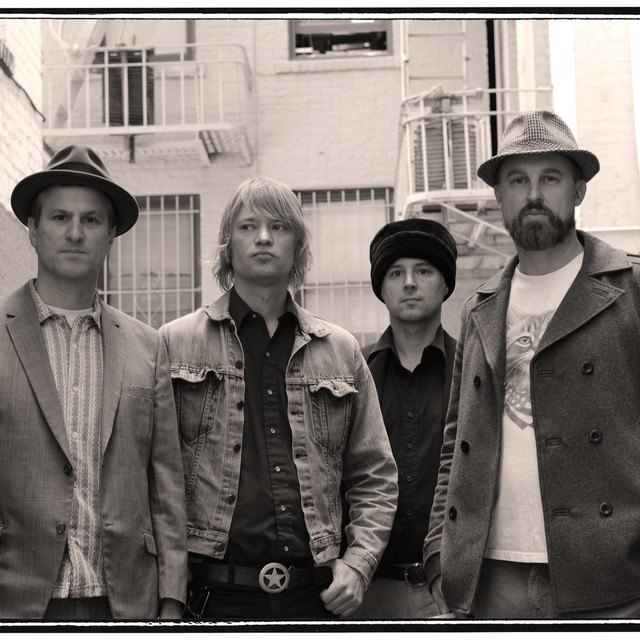
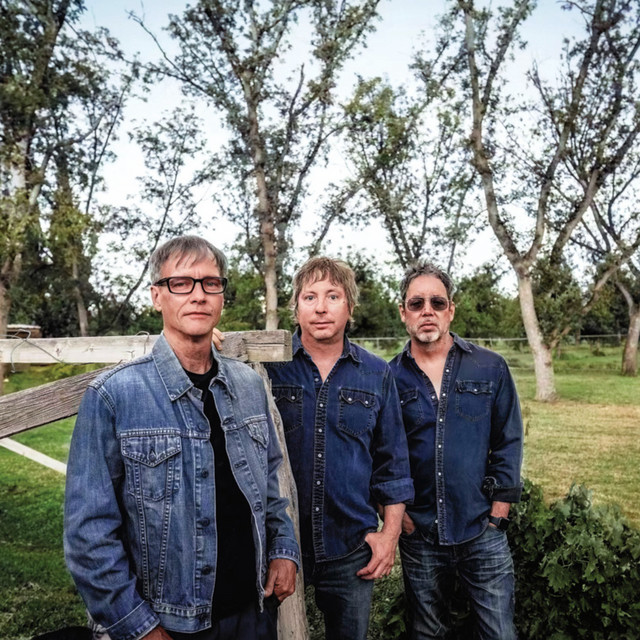
Fastball
Harvey Danger
Violent Femmes
Tonic
Toadies