Data may be outdated
Last updated: 9 months ago — Click refresh to get the latest statistics.
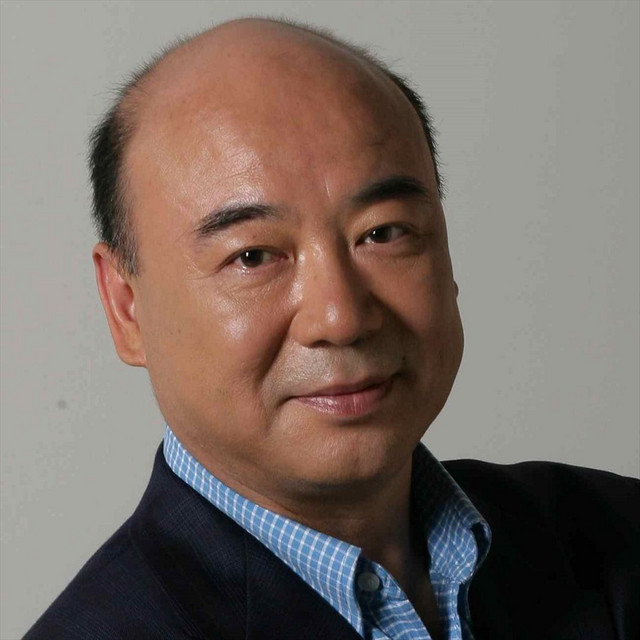
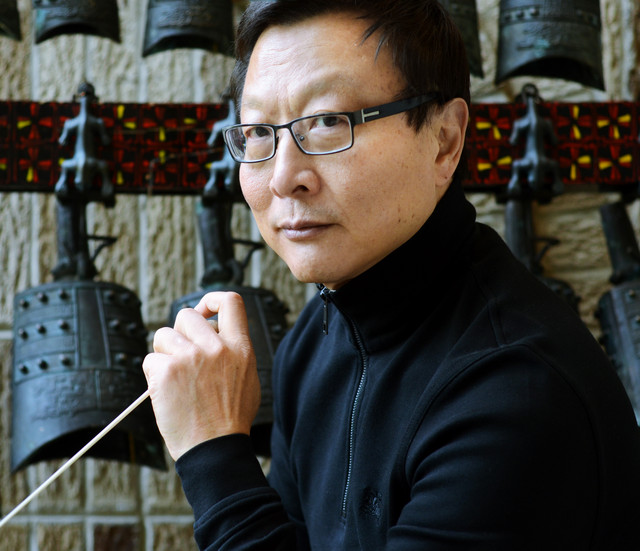
Bright Sheng (Sheng Zong-Liang in Chinese) is a classical composer whose education and inspiration spanned the infamous Cultural Revolution and two continents. Two of his compositions, H'un (Lacerations): In Memoriam 1966-1976 and Four Movements for Piano Trio, were both first runner-ups for the Pulitzer Prize in 1989 and 1991, respectively.
Born December 6, 1955 in Shanghai, Sheng began his musical training when he was four years of age with piano lessons from his mother and later from a private teacher. Sheng was 11 when the Revolution began in 1966. As there were few jobs available, many young people were sent to the country to live and work with the rural peasant class. He was sent to Qinghai in western China and received a three-year contract with a song-and-dance troupe with whom he played piano.
Sheng's formal musical education resumed after the end of the Cultural Revolution in 1976, with entrance into the Shanghai Conservatory of Music, where he earned his undergraduate degree. The Cultural Revolution and the time he spent in Qinghai proved to be major influences on Sheng's music. Sheng composed H'un (Lacerations): In Memoriam 1966-1976 and China Dreams based on experiences from the Cultural Revolution. Other pieces, such as the opera Song of Majnun and Two Folk Songs from Qinghai, are based on folk songs learned while he was in Qinghai. Sheng is also influenced by the Hungarian composer <a href="spotify:artist:5zyNXVd952fWOjkdGHCvPd">Béla Bartók</a>, who himself used folk music elements in his compositions.
Bright Sheng is professor of music at the University of Michigan; he contributed to <a href="spotify:artist:5Dl3HXZjG6ZOWT5cV375lk">Yo-Yo Ma</a>'s Silk Road Project, which took him back to China in the summer of 2000.
Sheng's music has gained far wider public exposure than that of most of his academic compatriots. He has continued to excel in the operatic field with The Silver River (1997, co-commissioned by Kennedy Center, and subsequently performed in many places), Madam Mao (2003), and Dream of the Red Chamber (2016), which quickly sold out its entire run at the San Francisco Opera. His instrumental music is abundantly available on recordings. Often Sheng has continued to explore Chinese folk traditions, combining them with Western techniques and textures. A notable example was The Singing Gobi Desert, a nonet for erhu/zhonghu, sheng, pipa, yangqin, saxophone quartet, and percussion. In several pieces he has used a marimba, an instrument neither Chinese nor Western. Sheng's composition Northern Lights, recorded in 2017 for <a href="spotify:search:label%3A%22Naxos%22">Naxos</a>, broke what was perhaps new ground for a Chinese-born composer: it took a Western folk tradition, that of the Norwegian hardanger fiddle, as its basis. Sheng has said that he considers himself "100 percent Chinese and 100 percent Western."
Born December 6, 1955 in Shanghai, Sheng began his musical training when he was four years of age with piano lessons from his mother and later from a private teacher. Sheng was 11 when the Revolution began in 1966. As there were few jobs available, many young people were sent to the country to live and work with the rural peasant class. He was sent to Qinghai in western China and received a three-year contract with a song-and-dance troupe with whom he played piano.
Sheng's formal musical education resumed after the end of the Cultural Revolution in 1976, with entrance into the Shanghai Conservatory of Music, where he earned his undergraduate degree. The Cultural Revolution and the time he spent in Qinghai proved to be major influences on Sheng's music. Sheng composed H'un (Lacerations): In Memoriam 1966-1976 and China Dreams based on experiences from the Cultural Revolution. Other pieces, such as the opera Song of Majnun and Two Folk Songs from Qinghai, are based on folk songs learned while he was in Qinghai. Sheng is also influenced by the Hungarian composer <a href="spotify:artist:5zyNXVd952fWOjkdGHCvPd">Béla Bartók</a>, who himself used folk music elements in his compositions.
Bright Sheng is professor of music at the University of Michigan; he contributed to <a href="spotify:artist:5Dl3HXZjG6ZOWT5cV375lk">Yo-Yo Ma</a>'s Silk Road Project, which took him back to China in the summer of 2000.
Sheng's music has gained far wider public exposure than that of most of his academic compatriots. He has continued to excel in the operatic field with The Silver River (1997, co-commissioned by Kennedy Center, and subsequently performed in many places), Madam Mao (2003), and Dream of the Red Chamber (2016), which quickly sold out its entire run at the San Francisco Opera. His instrumental music is abundantly available on recordings. Often Sheng has continued to explore Chinese folk traditions, combining them with Western techniques and textures. A notable example was The Singing Gobi Desert, a nonet for erhu/zhonghu, sheng, pipa, yangqin, saxophone quartet, and percussion. In several pieces he has used a marimba, an instrument neither Chinese nor Western. Sheng's composition Northern Lights, recorded in 2017 for <a href="spotify:search:label%3A%22Naxos%22">Naxos</a>, broke what was perhaps new ground for a Chinese-born composer: it took a Western folk tradition, that of the Norwegian hardanger fiddle, as its basis. Sheng has said that he considers himself "100 percent Chinese and 100 percent Western."
Monthly Listeners
2,371
Monthly Listeners History
Track the evolution of monthly listeners over the last 28 days.
Followers
997
Followers History
Track the evolution of followers over the last 28 days.
Top Cities
32 listeners

27 listeners

26 listeners
22 listeners

19 listeners
Related Artists


David Del Tredici

Michael Kugel
Simon Rowland-Jones
Thomas Stacy


Thomas Larcher

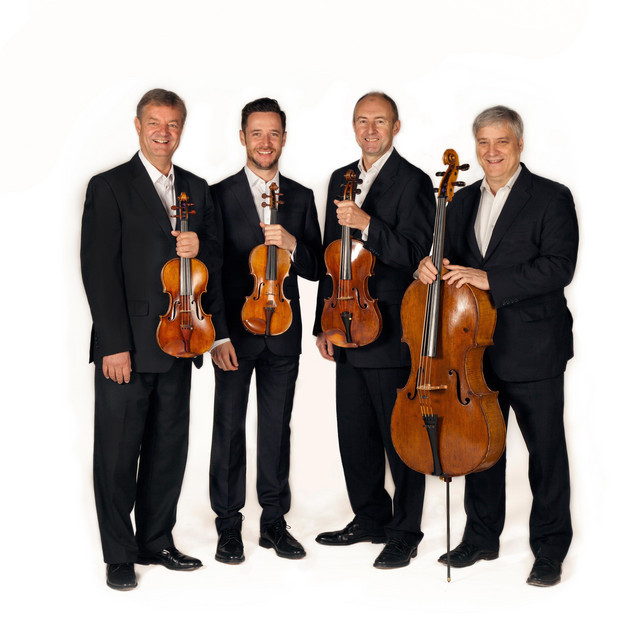
Maggini Quartet
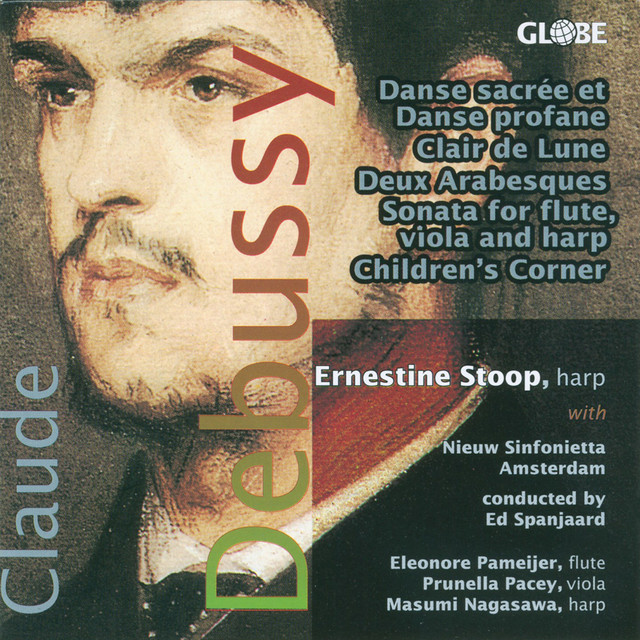
Nieuw Sinfonietta Amsterdam

Goldner String Quartet
Charles Bernard

William Pleeth

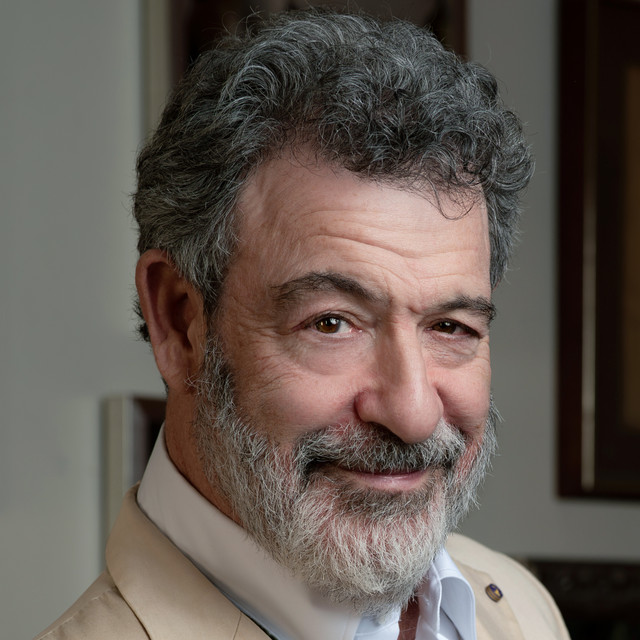
Tobias Picker

Wendy Warner

Boston Cello Quartet

Robert Irvine

Jonathan Crow

Sa Chen

Matthew Jones

Amici Chamber Ensemble
Granville Bantock
Stephen Prutsman