
Country
China
Top Artists from China
Showing 25 of 479 artists
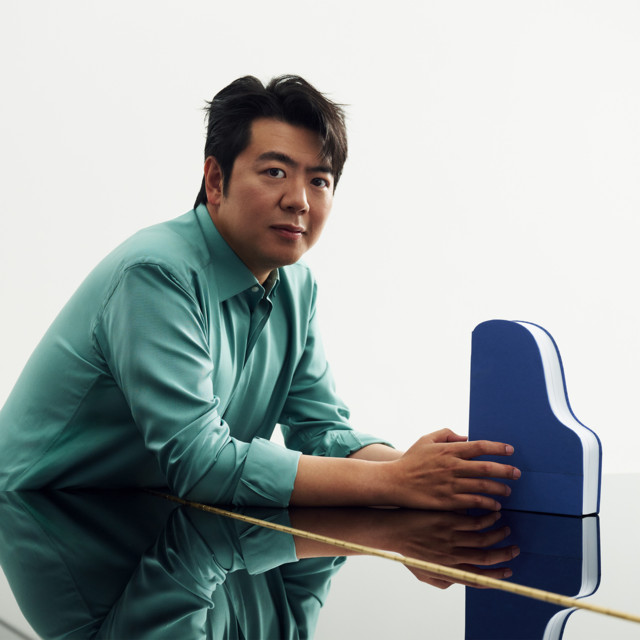

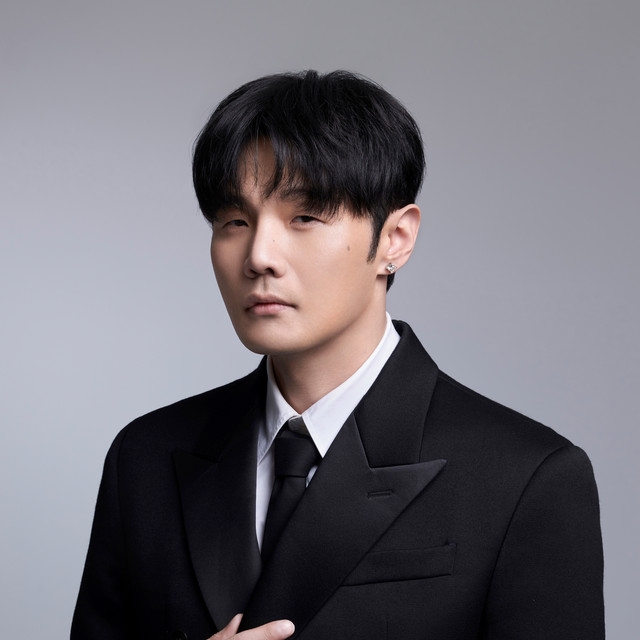

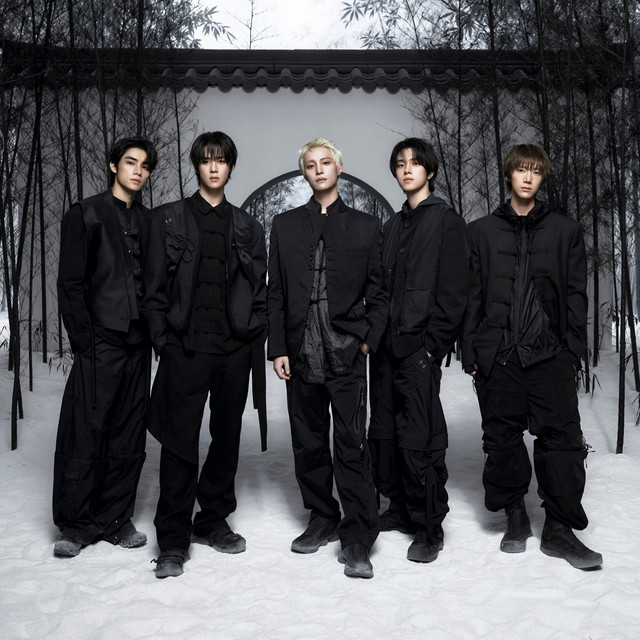

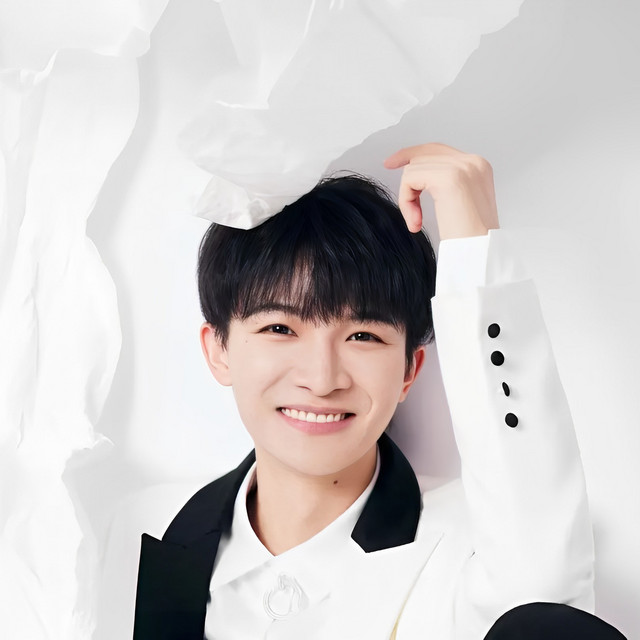
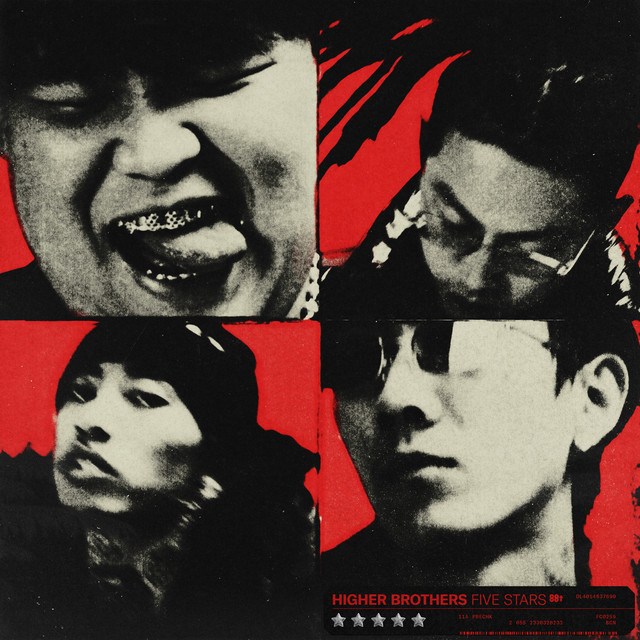


17

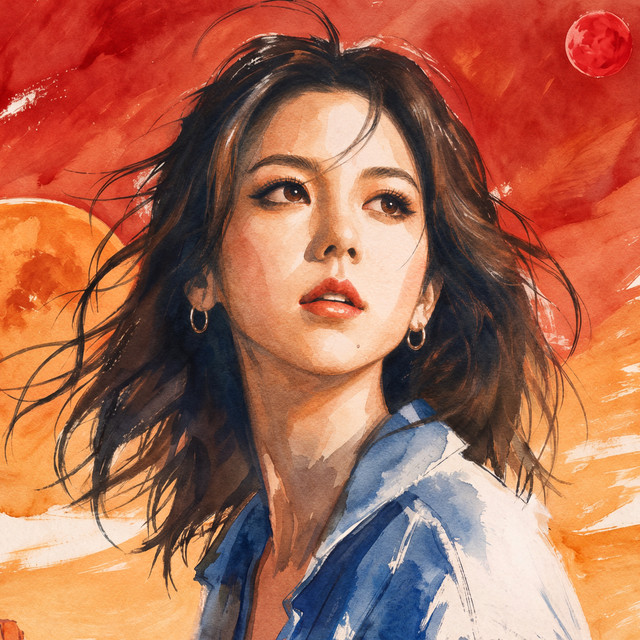
王靖雯
178,490
569,807 listeners
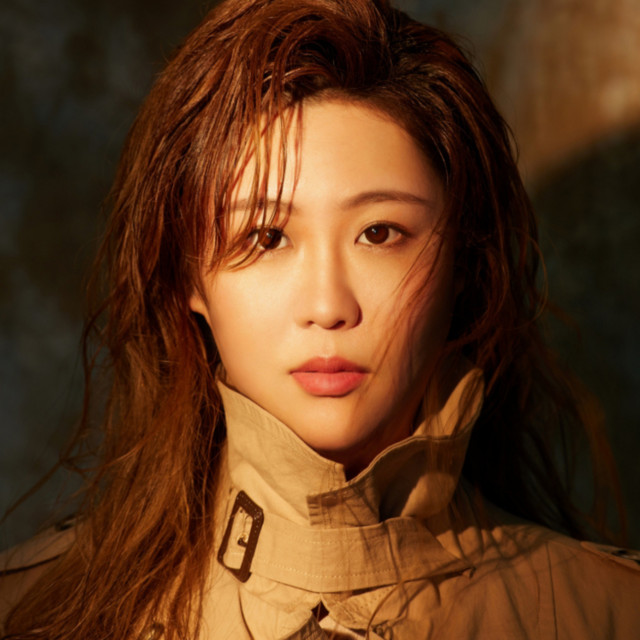
18
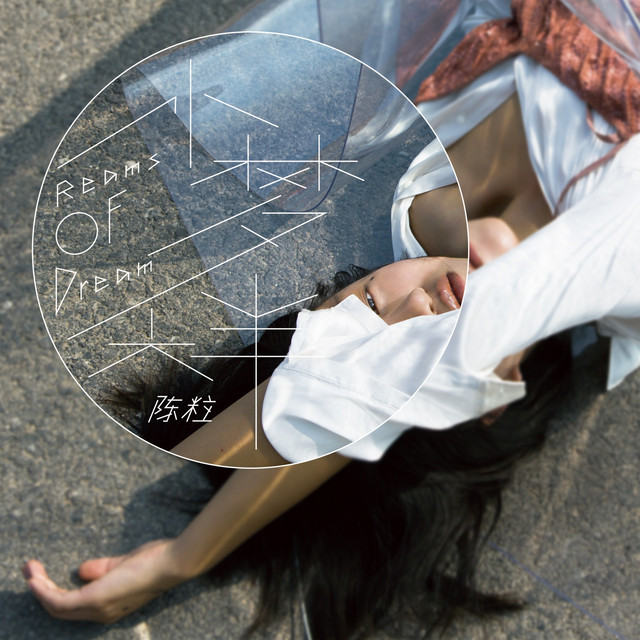
陳粒
220,863
518,914 listeners
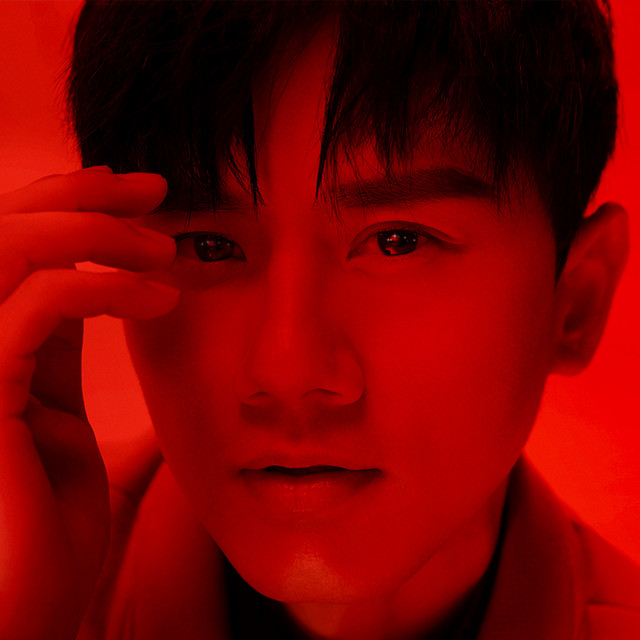
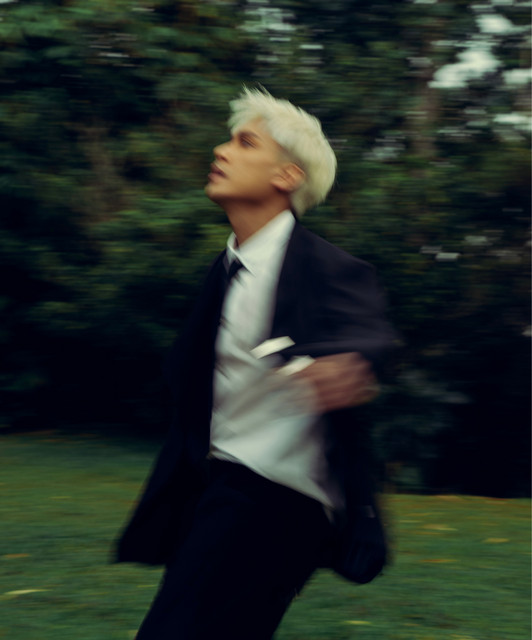
20
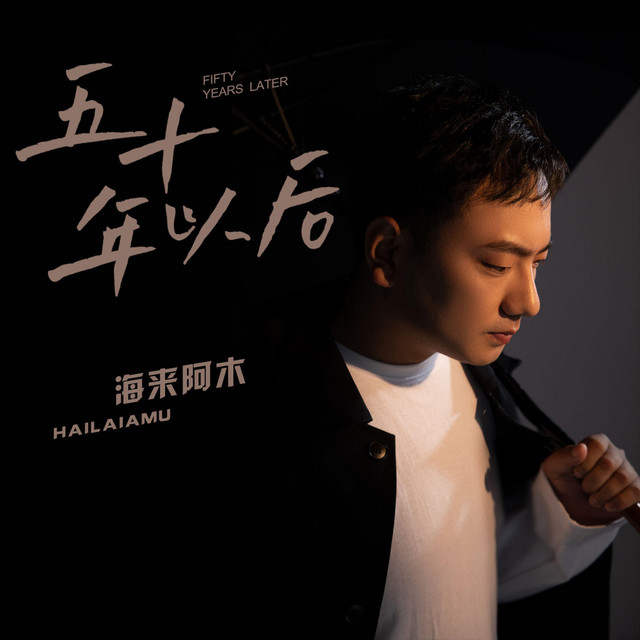
海来阿木
65,283
504,646 listeners
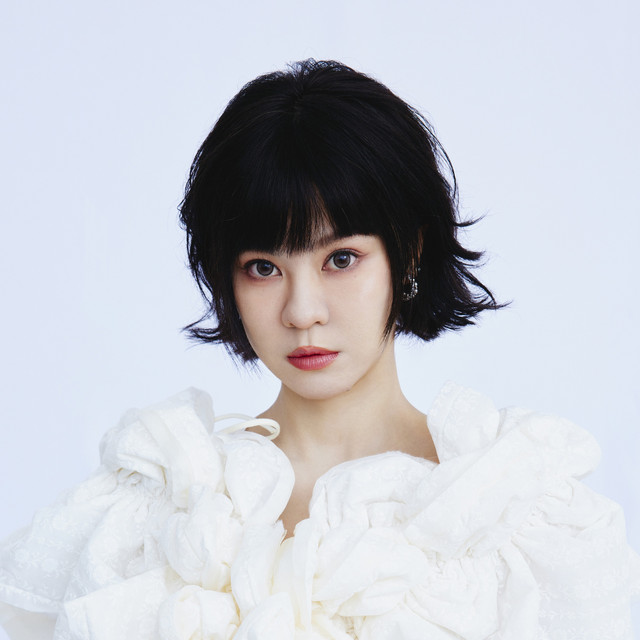
21
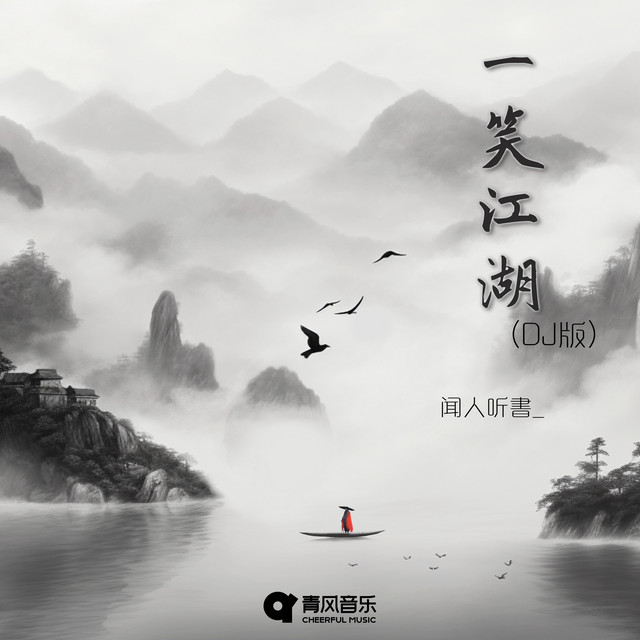
闻人听書_
27,399
487,181 listeners



About China
China is a vast, vibrating country whose musical life weaves together ancient ritual, regional folk voices, and global pop. With a population of about 1.41 billion, its sounds range from ceremonial court music to electric club scenes, making it one of the world’s most dynamic laboratories for sound.
Traditional roots run deep in Chinese music. Classical ensembles feature instruments such as the guzheng, erhu, pipa, and dizi, whose timbres have shaped scores, theatre, and concert halls for centuries. In court and ritual pieces, as well as in contemporary film scores, these instruments still carry a distinctive poetry. Chinese opera further contributes a dramatic voice, with its own festive melodies, vocal techniques, and intricate percussion that echo through modern performances and independent productions alike. The influence of ancient tonal systems can be heard in everything from film scores to crossover projects, where traditional timbres mingle with modern electronics.
On the popular front, China nurtures a thriving mandopop and cantopop universe. Iconic artists such as Teresa Teng left an enduring imprint on the Mandarin-language ballad tradition, while contemporary stars like Jay Chou fused Chinese sensibilities with R&B, hip-hop, and rock to redefine the sound of Mandopop in the 21st century. Faye Wong’s ethereal voice and Li Ronghao’s singer-songwriter craft illustrate the range of contemporary Chinese pop, and G.E.M. (Gloria Tang) has become a major force across Asia. In recent years, groups and solo acts such as TFBOYS, Leehom Wang, and youngsters exploring indie and electronic styles have kept the scene lively and diverse. Lang Lang, one of the world’s premier classical pianists, represents China’s classical prestige on global stages, while composers like Tan Dun connect traditional Chinese aesthetics with Western orchestration, as heard in concert works and film scores that reach wide audiences.
China’s live music ecosystem is fed by a robust festival culture and by legendary venues. The Midi Music Festival (Beijing, and later in other cities) has long showcased the country’s rock and alternative scenes, while the Strawberry Music Festival highlights crossover pop, folk, and indie acts. Jazz and world-music fans find venues and festivals across major cities such as Beijing and Shanghai, where clubs and international artists share the stage. Premier venues—Beijing’s National Centre for the Performing Arts, the Forbidden City Concert Hall, and the Beijing and Shanghai Grand Theatres—host orchestras, operas, and large-scale productions, while new and historic opera houses like Guangzhou Opera House and the Shanghai Oriental Art Center keep expanding the palette.
China’s influence on global music extends from film scores to digital culture. The country’s streaming platforms—QQ Music, NetEase Cloud Music, Kugou, and Kuwo—help propel C-pop and rock across Asia and beyond, fostering collaborations with international artists and exposing domestic audiences to a global repertoire. For music enthusiasts, China offers a rich spectrum: ancestral melodies, contemporary pop brilliance, grounded rock heritage, and a continuous pulse of festivals and performances that keep evolving with every new generation.
Traditional roots run deep in Chinese music. Classical ensembles feature instruments such as the guzheng, erhu, pipa, and dizi, whose timbres have shaped scores, theatre, and concert halls for centuries. In court and ritual pieces, as well as in contemporary film scores, these instruments still carry a distinctive poetry. Chinese opera further contributes a dramatic voice, with its own festive melodies, vocal techniques, and intricate percussion that echo through modern performances and independent productions alike. The influence of ancient tonal systems can be heard in everything from film scores to crossover projects, where traditional timbres mingle with modern electronics.
On the popular front, China nurtures a thriving mandopop and cantopop universe. Iconic artists such as Teresa Teng left an enduring imprint on the Mandarin-language ballad tradition, while contemporary stars like Jay Chou fused Chinese sensibilities with R&B, hip-hop, and rock to redefine the sound of Mandopop in the 21st century. Faye Wong’s ethereal voice and Li Ronghao’s singer-songwriter craft illustrate the range of contemporary Chinese pop, and G.E.M. (Gloria Tang) has become a major force across Asia. In recent years, groups and solo acts such as TFBOYS, Leehom Wang, and youngsters exploring indie and electronic styles have kept the scene lively and diverse. Lang Lang, one of the world’s premier classical pianists, represents China’s classical prestige on global stages, while composers like Tan Dun connect traditional Chinese aesthetics with Western orchestration, as heard in concert works and film scores that reach wide audiences.
China’s live music ecosystem is fed by a robust festival culture and by legendary venues. The Midi Music Festival (Beijing, and later in other cities) has long showcased the country’s rock and alternative scenes, while the Strawberry Music Festival highlights crossover pop, folk, and indie acts. Jazz and world-music fans find venues and festivals across major cities such as Beijing and Shanghai, where clubs and international artists share the stage. Premier venues—Beijing’s National Centre for the Performing Arts, the Forbidden City Concert Hall, and the Beijing and Shanghai Grand Theatres—host orchestras, operas, and large-scale productions, while new and historic opera houses like Guangzhou Opera House and the Shanghai Oriental Art Center keep expanding the palette.
China’s influence on global music extends from film scores to digital culture. The country’s streaming platforms—QQ Music, NetEase Cloud Music, Kugou, and Kuwo—help propel C-pop and rock across Asia and beyond, fostering collaborations with international artists and exposing domestic audiences to a global repertoire. For music enthusiasts, China offers a rich spectrum: ancestral melodies, contemporary pop brilliance, grounded rock heritage, and a continuous pulse of festivals and performances that keep evolving with every new generation.