Data may be outdated
Last updated: 3 weeks ago — Click refresh to get the latest statistics.
The roots of Buffalo Springfield stretch back to Thunder Bay, Ontario, where <a href="spotify:artist:6v8FB84lnmJs434UJf2Mrm">Neil Young</a>'s rock & roll combo the Squires were opening for the Company, a satellite group of the folk revue <a href="spotify:artist:3wP78hIw6GjrMzumNet9RH">the Au Go-Go Singers</a> featuring <a href="spotify:artist:4WlSvDKaq1PA2Nr7cCIPxX">Stephen Stills</a>. Once that tour ended, <a href="spotify:artist:4WlSvDKaq1PA2Nr7cCIPxX">Stills</a> headed out to Los Angeles, California, where he began to grind out a living on the session circuit. There, he became friendly with producer Barry Friedman, who encouraged the singer/songwriter to develop his own band. <a href="spotify:artist:4WlSvDKaq1PA2Nr7cCIPxX">Stills</a> recruited <a href="spotify:artist:2KpCZazKx8c2qBDtNXvmvf">Richie Furay</a>, who he had previously played with in <a href="spotify:artist:3wP78hIw6GjrMzumNet9RH">the Au Go-Go Singers</a>, and this pair, along with Friedman, were driving down Sunset when they noticed a hearse that they swore belonged to <a href="spotify:artist:6v8FB84lnmJs434UJf2Mrm">Young</a>. It did.
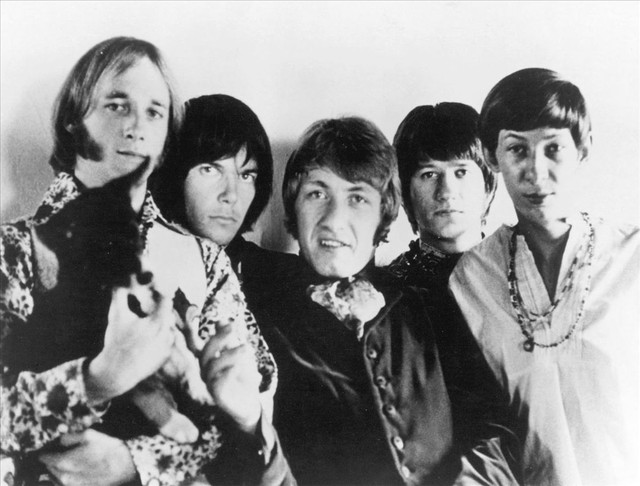
<a href="spotify:artist:6v8FB84lnmJs434UJf2Mrm">Neil Young</a> moved to Los Angeles with <a href="spotify:artist:24QGmtc0a02uo4nniEY9jd">Bruce Palmer</a>, who played bass with <a href="spotify:artist:6v8FB84lnmJs434UJf2Mrm">Young</a> in a group called <a href="spotify:artist:1gZKkxr9QPr3U7w2jNGUBd">the Mynah Birds</a>, which also featured future funk-rocker <a href="spotify:artist:0FrpdcVlJQqibaz5HfBUrL">Rick James</a> as their lead singer. Once that group split, the pair decided to make a go of it in California, and they were struggling until they happened upon <a href="spotify:artist:4WlSvDKaq1PA2Nr7cCIPxX">Stills</a> and <a href="spotify:artist:2KpCZazKx8c2qBDtNXvmvf">Furay</a>. Soon, the quartet formed a group, adding <a href="spotify:artist:75TCbf3Ufi7egqJHue4DV8">Dewey Martin</a> -- who had previously played with garage rockers <a href="spotify:artist:4BM6qze88exQPVILQpcYpj">the Standells</a> and progressive country pioneers <a href="spotify:artist:3WAkTbMThUvVRq5keECFtS">the Dillards</a> -- as their drummer. Swiping their name from a steamroller company, Buffalo Springfield debuted at the Troubadour on April 11, 1966 -- they had rehearsed no longer than a week -- then launched a six-week residency at the Whisky A Go Go on the Sunset Strip a month later. This stint led to new managers <a href="spotify:artist:31KW125oyKeMxakzGjUfBw">Charlie Greene</a> and Brian Stone, who also worked with <a href="spotify:artist:71lGEtP9qYXDsSXjfexTqO">Sonny & Cher</a>, who helped secure a contract with <a href="spotify:search:label%3A%22Atco%22">Atco</a>, a subsidiary of <a href="spotify:artist:6Z6HnCqAg8vekEhGJsKbLG">Ahmet Ertegun</a>'s <a href="spotify:search:label%3A%22Atlantic+Records%22">Atlantic Records</a>.
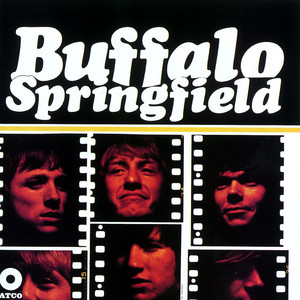
<a href="spotify:search:label%3A%22Atco%22">Atco</a> released <a href="spotify:artist:6v8FB84lnmJs434UJf2Mrm">Young</a>'s "Nowadays Clancy Can't Even Sing" as Buffalo Springfield's first single in August 1966, but it only found airplay in Los Angeles. That wasn't the case with their next single, "For What It's Worth." Written by <a href="spotify:artist:4WlSvDKaq1PA2Nr7cCIPxX">Stills</a> after he witnessed a riot on the Sunset Strip, the group quickly cut and released the tune as a single, and it swiftly spread across the U.S. "For What It's Worth" climbed its way into the Billboard Top Ten in March 1967, its success leading <a href="spotify:search:label%3A%22Atco%22">Atco</a> to rejigger the group's eponymous debut -- which was originally released at the tail end of 1966 -- so their hit could be featured.
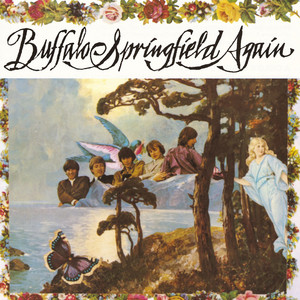
Despite this flush of success, things were not well within Buffalo Springfield. <a href="spotify:artist:24QGmtc0a02uo4nniEY9jd">Bruce Palmer</a> was arrested for marijuana in January of 1967, leading to his deportation from the United States. The band cycled through a number of bassists as they attempted to record a second album, provisionally called Stampede. This album never materialized. Tensions began to rise within the band, particularly between <a href="spotify:artist:4WlSvDKaq1PA2Nr7cCIPxX">Stills</a> and <a href="spotify:artist:6v8FB84lnmJs434UJf2Mrm">Young</a>, leading to <a href="spotify:artist:6v8FB84lnmJs434UJf2Mrm">Neil</a> walking out of the band during the summer of 1967; Doug Hastings played guitar in his absence, with <a href="spotify:artist:1PCZpxHJz7WAMF8EEq8bfc">the Byrds</a>' <a href="spotify:artist:59zdhVoWxSoHMc74n098Re">David Crosby</a> taking this spot when Buffalo Springfield played the Monterey Pop Festival. <a href="spotify:artist:24QGmtc0a02uo4nniEY9jd">Palmer</a> returned during <a href="spotify:artist:6v8FB84lnmJs434UJf2Mrm">Young</a>'s hiatus, and the band pulled it together in the fall of 1967. Firing managers <a href="spotify:artist:31KW125oyKeMxakzGjUfBw">Greene</a> and Stone, the group finalized a second album called Buffalo Springfield Again, a record nominally produced by <a href="spotify:artist:6Z6HnCqAg8vekEhGJsKbLG">Ahmet Ertegun</a> but featuring each singer/songwriter -- including <a href="spotify:artist:2KpCZazKx8c2qBDtNXvmvf">Richie Furay</a>, who contributed original songs for the first time -- helming his own cuts.
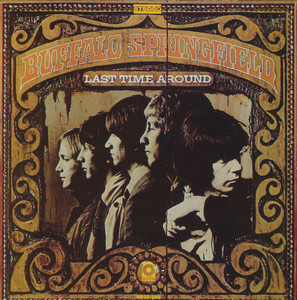
During the supporting tour for Buffalo Springfield Again, <a href="spotify:artist:24QGmtc0a02uo4nniEY9jd">Palmer</a> once again was arrested for drugs and deported, leading to <a href="spotify:artist:62MaT134frQwZdcvQcjcSY">Jim Messina</a> becoming the band's bassist. <a href="spotify:artist:62MaT134frQwZdcvQcjcSY">Messina</a> also stepped into the role of producer for the sessions that became Last Time Around, the summer 1968 album that turned out to be their farewell. A few months prior to its release, Buffalo Springfield disbanded in a mediation helmed by <a href="spotify:artist:6Z6HnCqAg8vekEhGJsKbLG">Ertegun</a>, leading to <a href="spotify:artist:6v8FB84lnmJs434UJf2Mrm">Young</a> signing with <a href="spotify:search:label%3A%22Warner%22">Warner</a> and <a href="spotify:artist:4WlSvDKaq1PA2Nr7cCIPxX">Stills</a> retaining his contract with <a href="spotify:search:label%3A%22Atlantic%22">Atlantic</a>. <a href="spotify:artist:2KpCZazKx8c2qBDtNXvmvf">Furay</a> and <a href="spotify:artist:62MaT134frQwZdcvQcjcSY">Messina</a> finished Last Time Around and then formed <a href="spotify:artist:0fyqyjD7pbaVzbu94ylWQR">Poco</a> with singer/songwriter <a href="spotify:artist:4if0dPbXjtc89UWy63Y5zV">Rusty Young</a>. <a href="spotify:artist:75TCbf3Ufi7egqJHue4DV8">Dewey Martin</a> attempted to keep the brand alive by assembling New Buffalo Springfield, a band that churned through many musicians before <a href="spotify:artist:75TCbf3Ufi7egqJHue4DV8">Martin</a> was fired in 1969 and the remaining members turned into <a href="spotify:artist:7BLQI8aBUxWhuKWGK0OXPI">Blue Mountain Eagle</a>.
Buffalo Springfield may have disbanded in 1968, but its alumni turned into superstars in the 1970s, with <a href="spotify:artist:4WlSvDKaq1PA2Nr7cCIPxX">Stills</a> and <a href="spotify:artist:6v8FB84lnmJs434UJf2Mrm">Young</a> achieving success both as solo acts and as part of a group also featuring <a href="spotify:artist:59zdhVoWxSoHMc74n098Re">David Crosby</a> and <a href="spotify:artist:2E6Roj0oQnJIm2BeXwDica">Graham Nash</a>. <a href="spotify:artist:2KpCZazKx8c2qBDtNXvmvf">Furay</a> made six albums with <a href="spotify:artist:0fyqyjD7pbaVzbu94ylWQR">Poco</a> before starting a solo career. <a href="spotify:artist:62MaT134frQwZdcvQcjcSY">Messina</a> departed <a href="spotify:artist:0fyqyjD7pbaVzbu94ylWQR">Poco</a> after their third album, then teamed with <a href="spotify:artist:3Y3xIwWyq5wnNHPp5gPjOW">Kenny Loggins</a> in a duo. <a href="spotify:artist:24QGmtc0a02uo4nniEY9jd">Bruce Palmer</a> released an album in 1971 then spent the '70s largely out of the spotlight, surfacing in 1982 as a member of <a href="spotify:artist:6v8FB84lnmJs434UJf2Mrm">Young</a>'s touring band. This gig reactivated <a href="spotify:artist:24QGmtc0a02uo4nniEY9jd">Palmer</a>'s musical activity and he launched a band called Buffalo Springfield Revisited in 1984, adding <a href="spotify:artist:75TCbf3Ufi7egqJHue4DV8">Dewey Martin</a> to the lineup quickly afterward. <a href="spotify:artist:4WlSvDKaq1PA2Nr7cCIPxX">Stills</a> and <a href="spotify:artist:6v8FB84lnmJs434UJf2Mrm">Young</a> not only gave <a href="spotify:artist:24QGmtc0a02uo4nniEY9jd">Palmer</a> their blessings for Buffalo Springfield Revisited, they entertained reuniting the original lineup in 1986, but those plans fell apart after two rehearsals. By the end of the decade, the Revisited band slowly came to a halt.
In the dawning days of the 21st century, <a href="spotify:artist:6v8FB84lnmJs434UJf2Mrm">Young</a> began making rumblings of reuniting Buffalo Springfield, even writing a song called "Buffalo Springfield Again" for his 2000 album, Silver & Gold. Not long afterward, <a href="spotify:artist:6v8FB84lnmJs434UJf2Mrm">Young</a> assembled a complete Buffalo Springfield box set called Buffalo Springfield. <a href="spotify:artist:6v8FB84lnmJs434UJf2Mrm">Young</a>'s attention soon drifted away from Buffalo Springfield. <a href="spotify:artist:24QGmtc0a02uo4nniEY9jd">Palmer</a> died in 2004 and <a href="spotify:artist:75TCbf3Ufi7egqJHue4DV8">Martin</a> passed in 2009, and in the wake of their deaths, <a href="spotify:artist:6v8FB84lnmJs434UJf2Mrm">Young</a>, <a href="spotify:artist:4WlSvDKaq1PA2Nr7cCIPxX">Stills</a>, and <a href="spotify:artist:2KpCZazKx8c2qBDtNXvmvf">Furay</a> played a reunion show as part of the yearly Bridge School Benefit concerts, in October 2010. This pushed the trio to hire drummer Joe Vitale and bassist Rick Rosas as a rhythm section and go on a mini-tour in 2011, culminating in an appearance at that year's Bonnaroo festival. Further plans for a tour were scrapped once <a href="spotify:artist:6v8FB84lnmJs434UJf2Mrm">Young</a> turned his attention toward <a href="spotify:artist:0oi7g8NUnlLh5tJvg2y5e3">Crazy Horse</a>, and Buffalo Springfield once again went into hibernation in 2012. Its legacy was revived in 2018, when the group released What's That Sound? Complete Albums Collection, a five-disc set containing <a href="spotify:artist:6v8FB84lnmJs434UJf2Mrm">Young</a>-approved remasters of the mono and stereo mixes of their three albums. ~ Stephen Thomas Erlewine, Rovi
Monthly Listeners
7.7 million
Monthly Listeners History
Track the evolution of monthly listeners over the last 28 days.
Followers
1.0 million
Followers History
Track the evolution of followers over the last 28 days.
Total Streams
1.2 billion
Total Streams History
Track the evolution of total streams over the last 28 days. This data is calculated from all tracks listed in the artist's discography.
Top Cities



Related Artists

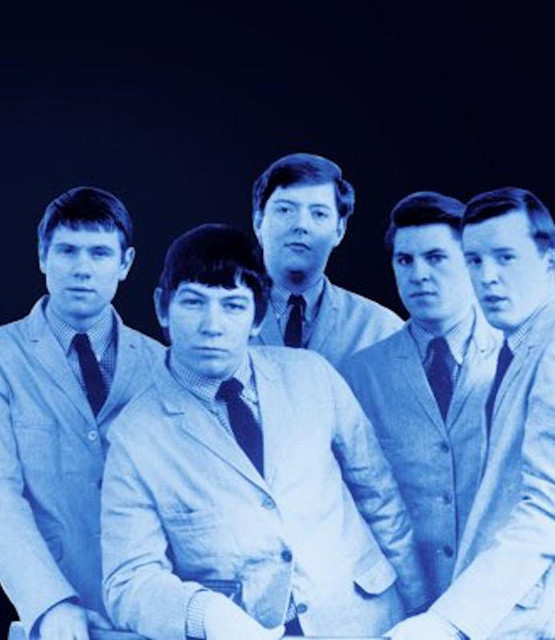
The Animals