Data may be outdated
Last updated: 8 months ago — Click refresh to get the latest statistics.
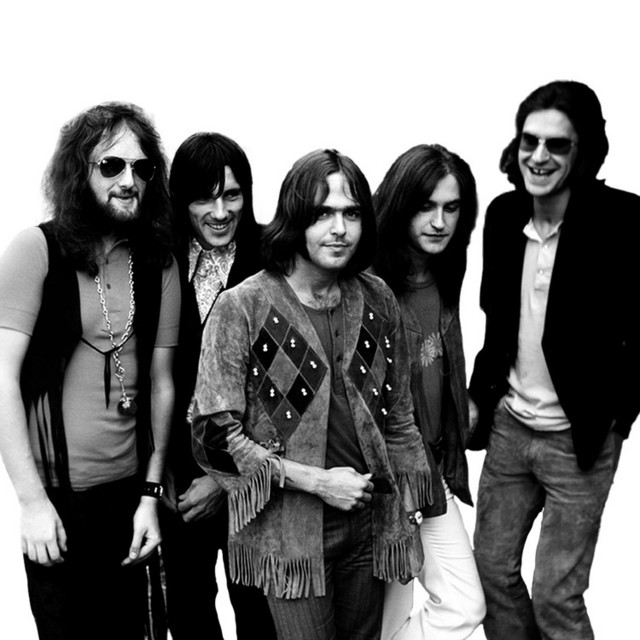
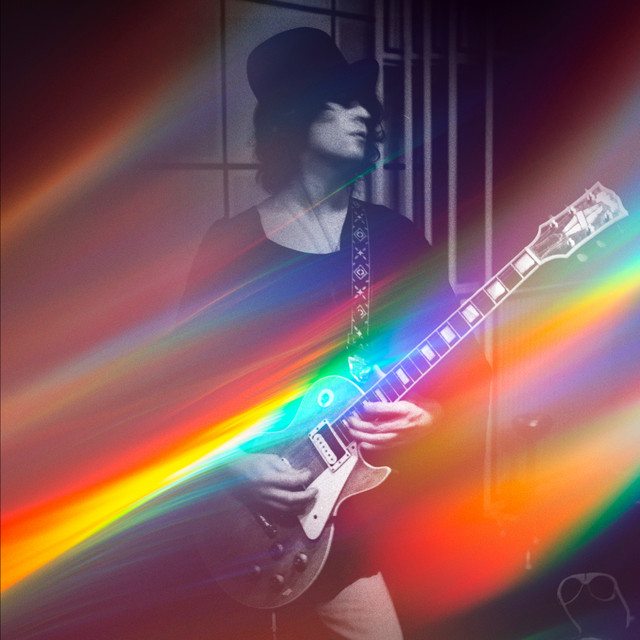
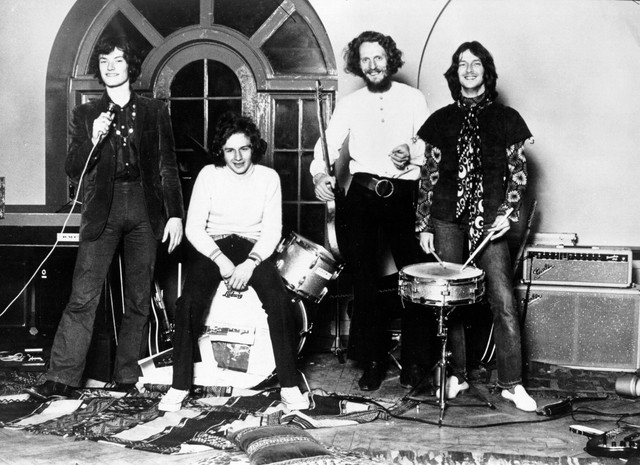
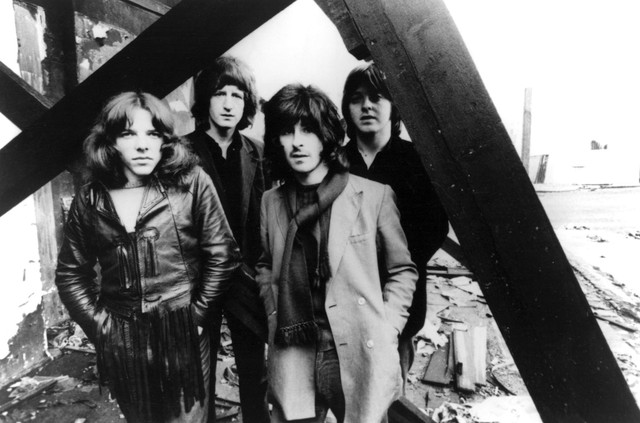
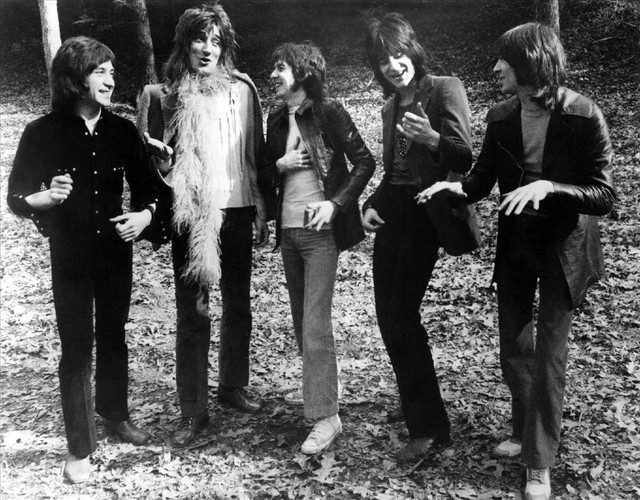
When <a href="spotify:artist:7pvL2bMcPtEGYzwTcULQKj">Steve Marriott</a> left <a href="spotify:artist:1YqGsKpdixxSVgpfaL2AEQ">the Small Faces</a> in 1969, the three remaining members brought in guitarist <a href="spotify:artist:5HFtQOrPHOFptM1WF9xPuK">Ron Wood</a> and lead singer <a href="spotify:artist:2y8Jo9CKhJvtfeKOsYzRdT">Rod Stewart</a> to complete the lineup and changed their name to the Faces, which was only appropriate since the group now only slightly resembled the mod-pop group of the past. Instead, the Faces were a rough, sloppy rock & roll band, able to pound out a rocker like "Had Me a Real Good Time," a blues ballad like "Tell Everyone," or a folk number like "Richmond" all in one album. <a href="spotify:artist:2y8Jo9CKhJvtfeKOsYzRdT">Stewart</a>, already becoming a star in his own right, let himself go wild with the Faces, tearing through covers and originals with abandon. While his voice didn't have the power of <a href="spotify:artist:2y8Jo9CKhJvtfeKOsYzRdT">Stewart</a>, bassist <a href="spotify:artist:3Hw84tYUnRSISebwzmosDC">Ronnie Lane</a>'s songs were equally as impressive and eclectic. <a href="spotify:artist:5HFtQOrPHOFptM1WF9xPuK">Wood</a>'s rhythm guitar had a warm, fat tone that was as influential and driving as <a href="spotify:artist:08avsqaGIlK2x3i2Cu7rKH">Keith Richards</a>' style.
Notorious for their hard-partying, boozy tours and ragged concerts, the Faces lived the rock & roll lifestyle to the extreme. When <a href="spotify:artist:2y8Jo9CKhJvtfeKOsYzRdT">Stewart</a>'s solo career became more successful than the Faces, the band slowly became subservient to his personality; after their final studio album, Ooh La La, in 1973, <a href="spotify:artist:3Hw84tYUnRSISebwzmosDC">Lane</a> left the band. After a tour in 1974, the band called it quits. <a href="spotify:artist:5HFtQOrPHOFptM1WF9xPuK">Wood</a> joined <a href="spotify:artist:22bE4uQ6baNwSHPVcDxLCe">the Rolling Stones</a>, drummer <a href="spotify:artist:57an2MaFNGGCWGF9oP7zDE">Kenny Jones</a> eventually became part of <a href="spotify:artist:67ea9eGLXYMsO2eYQRui3w">the Who</a>, and keyboardist <a href="spotify:artist:5HVDf6EAbKdW7Md5V3VL8I">Ian McLagan</a> became a sought-after supporting musician; <a href="spotify:artist:2y8Jo9CKhJvtfeKOsYzRdT">Stewart</a> became a superstar, although he never matched the simple charm of the Faces.
While they were together, the Faces never sold that many records and were never considered as important as <a href="spotify:artist:22bE4uQ6baNwSHPVcDxLCe">the Stones</a>, yet their music has proven extremely influential over the years. Many punk rockers in the late '70s learned how to play their instruments by listening to Faces records; in the '80s and '90s, guitar rock bands from <a href="spotify:artist:4WPY0N74T3KUja57xMQTZ3">the Replacements</a> to <a href="spotify:artist:5krkohEVJYw0qoB5VWwxaC">the Black Crowes</a> took their cue from the Faces as much as <a href="spotify:artist:22bE4uQ6baNwSHPVcDxLCe">the Stones</a>. Their reckless, loose, and joyous spirit stayed alive in much of the best rock & roll of the subsequent decades.
~ Stephen Thomas Erlewine
Notorious for their hard-partying, boozy tours and ragged concerts, the Faces lived the rock & roll lifestyle to the extreme. When <a href="spotify:artist:2y8Jo9CKhJvtfeKOsYzRdT">Stewart</a>'s solo career became more successful than the Faces, the band slowly became subservient to his personality; after their final studio album, Ooh La La, in 1973, <a href="spotify:artist:3Hw84tYUnRSISebwzmosDC">Lane</a> left the band. After a tour in 1974, the band called it quits. <a href="spotify:artist:5HFtQOrPHOFptM1WF9xPuK">Wood</a> joined <a href="spotify:artist:22bE4uQ6baNwSHPVcDxLCe">the Rolling Stones</a>, drummer <a href="spotify:artist:57an2MaFNGGCWGF9oP7zDE">Kenny Jones</a> eventually became part of <a href="spotify:artist:67ea9eGLXYMsO2eYQRui3w">the Who</a>, and keyboardist <a href="spotify:artist:5HVDf6EAbKdW7Md5V3VL8I">Ian McLagan</a> became a sought-after supporting musician; <a href="spotify:artist:2y8Jo9CKhJvtfeKOsYzRdT">Stewart</a> became a superstar, although he never matched the simple charm of the Faces.
While they were together, the Faces never sold that many records and were never considered as important as <a href="spotify:artist:22bE4uQ6baNwSHPVcDxLCe">the Stones</a>, yet their music has proven extremely influential over the years. Many punk rockers in the late '70s learned how to play their instruments by listening to Faces records; in the '80s and '90s, guitar rock bands from <a href="spotify:artist:4WPY0N74T3KUja57xMQTZ3">the Replacements</a> to <a href="spotify:artist:5krkohEVJYw0qoB5VWwxaC">the Black Crowes</a> took their cue from the Faces as much as <a href="spotify:artist:22bE4uQ6baNwSHPVcDxLCe">the Stones</a>. Their reckless, loose, and joyous spirit stayed alive in much of the best rock & roll of the subsequent decades.
~ Stephen Thomas Erlewine
Monthly Listeners
2.3 million
Monthly Listeners History
Track the evolution of monthly listeners over the last 28 days.
Followers
451,976
Followers History
Track the evolution of followers over the last 28 days.
Top Cities
47,926 listeners

42,175 listeners

35,467 listeners
33,449 listeners
29,618 listeners
Related Artists