Last updated: 1 day ago
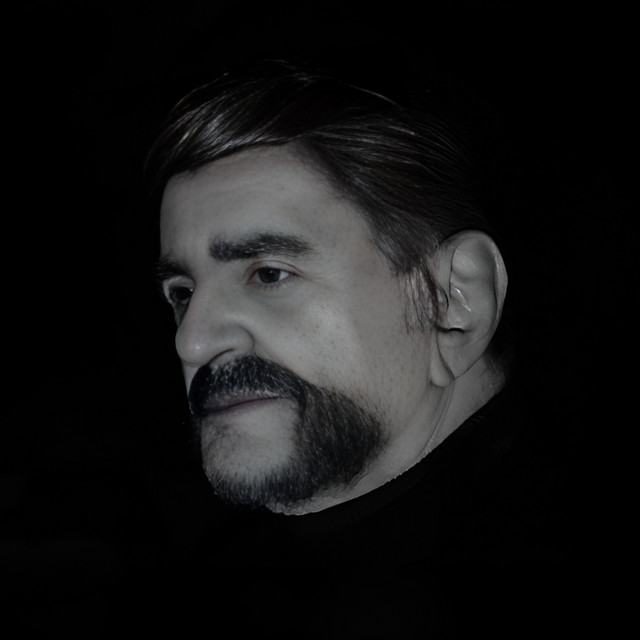
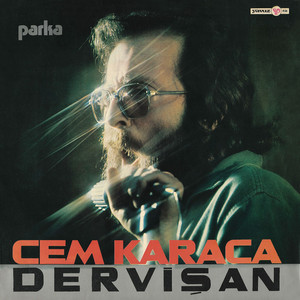
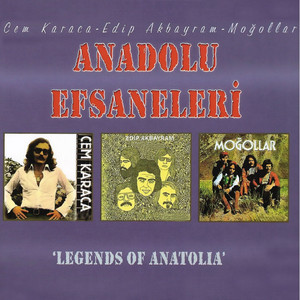
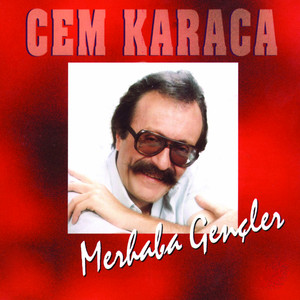
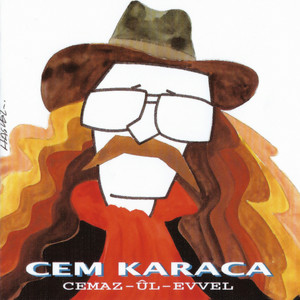
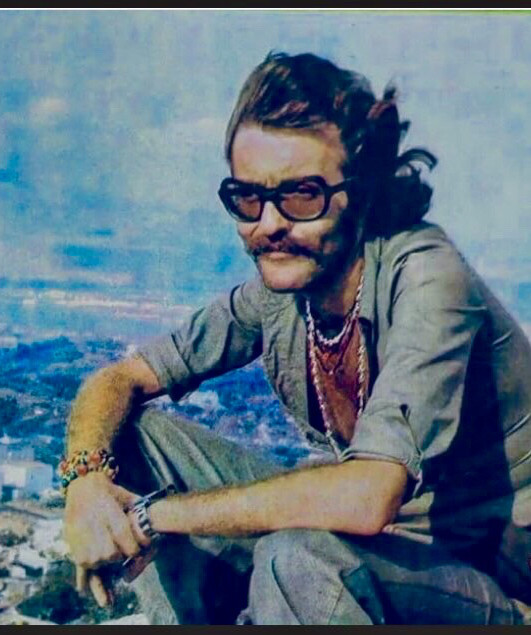
Turkish rock pioneer Cem Karaca was born April 5, 1945 to professional actors Mehmet Ibrahim Karaca and Irma Felekyan. He first performed in a cover band called "the Dynamites," followed an <a href="spotify:artist:43ZHCT0cAZBISjO8DG9PnE">Elvis Presley</a> tribute group called "the Jaguars"; and from there Karaca eventually began writing his own original songs, honing a massively influential style that combined traditional Anatolian lyrics with cutting-edge contemporary rock melodies. According to legend, his father hired people to 'boo' at early performances in the hopes that the catcalls would persuade his son to quit singing and pursue a career as a diplomat -- instead, Karaca proved instantly popular, essentially launching the modern Turkish rock sound with his band Apaslar's self-titled 1967 debut LP. The group proved short-lived, however, and two years later, Karaca and bassist Serhan Karabay formed a new unit, Kardaslar (in English, "Brothers"). With his trademark felt hat, large glasses, and long hair, by the dawn of the 1970s Karaca was not only Turkey's biggest pop star, but he was also a countercultural icon -- his songs were intensely political, fusing patriotic zeal with leftist ideologies that harshly criticized Turkey's growing right-wing sect. In 1972, he joined the group <a href="spotify:artist:5dMPhj9s9v91MpdGNpInLy">Mogollar</a> and recorded his acknowledged masterpiece Namus Belasi -- a power struggle with co-leader Cahit Berkay soon led to the band's demise, however, and Karaca formed yet another vehicle, Dervisan. As Turkey's political unrest escalated, so did the polemical force of Karaca's music -- finally, in 1978, he fled to West Germany in the face of mounting legal pressures and assassination fears. In the wake of Turkish civil war, military forces under the leadership of General Kenan Evren took power, and Karaca was ordered to return home to face charges of treason -- he refused, and was stripped of his citizenship as a result. He also issued no new music for eight years. Finally, he was given amnesty in 1987 by Turgut Ozal, who was appointed prime minister when Turkey's civilian party assumed leadership. But Ozal's own right-wing leanings guaranteed Karaca was roundly criticized by his leftist friends, fans, and colleagues -- he argued that his allegiance to Turkey was greater than his dedication to any political party, celebrating peace, nationalism, and Islamic faith on solo records like 1989's Merhaba Gencler and Her Zaman Genc Kalanhar. Karaca continued recording and touring until his death from heart failure on February 8, 2004. ~ Jason Ankeny, Rovi
Monthly Listeners
1.5 million
Monthly Listeners History
Track the evolution of monthly listeners over the last 28 days.
Followers
2.1 million
Followers History
Track the evolution of followers over the last 28 days.
Total Streams
668.5 million
Total Streams History
Track the evolution of total streams over the last 28 days. This data is calculated from all tracks listed in the artist's discography.
Top Cities

Related Artists
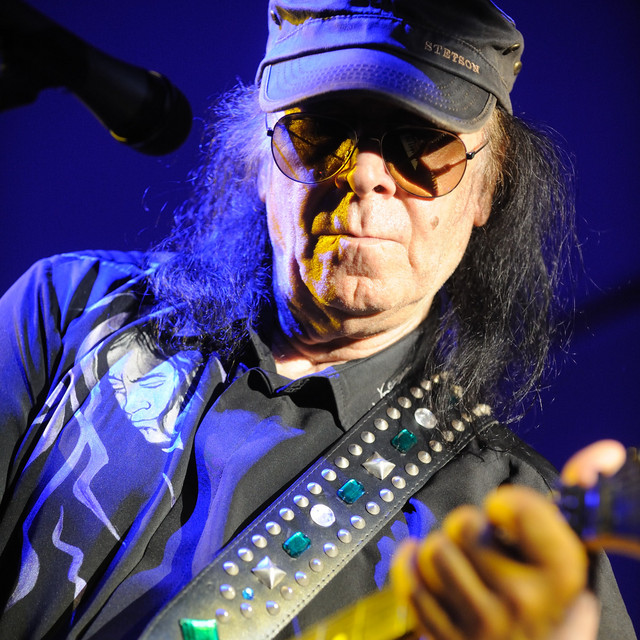
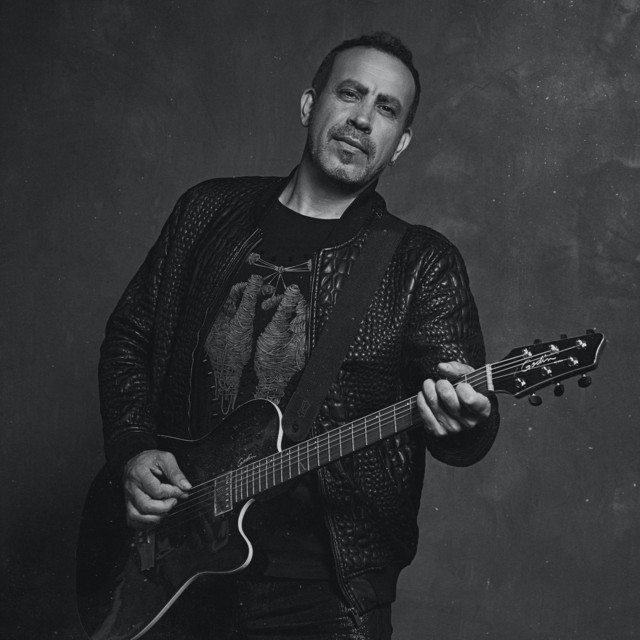
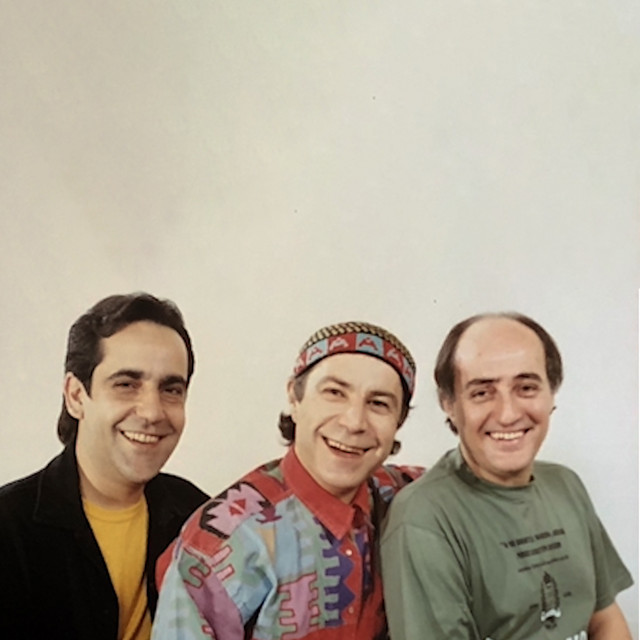
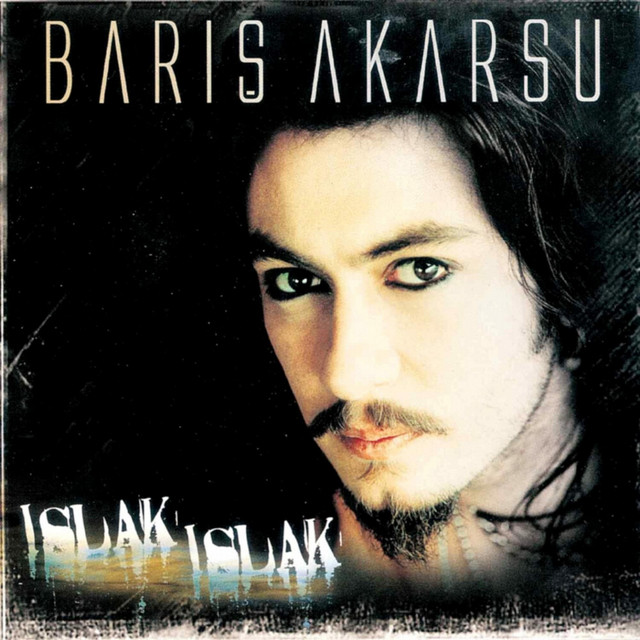
Barış Akarsu


Ayna
Haramiler
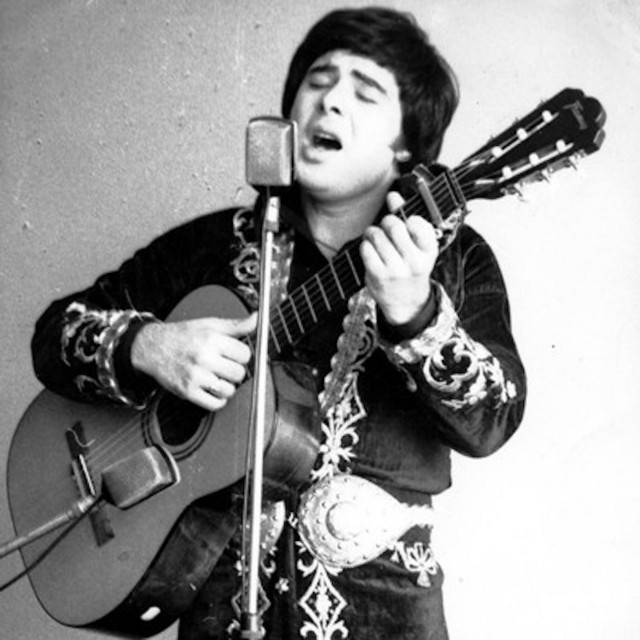
Fikret Kızılok

Tanju Okan


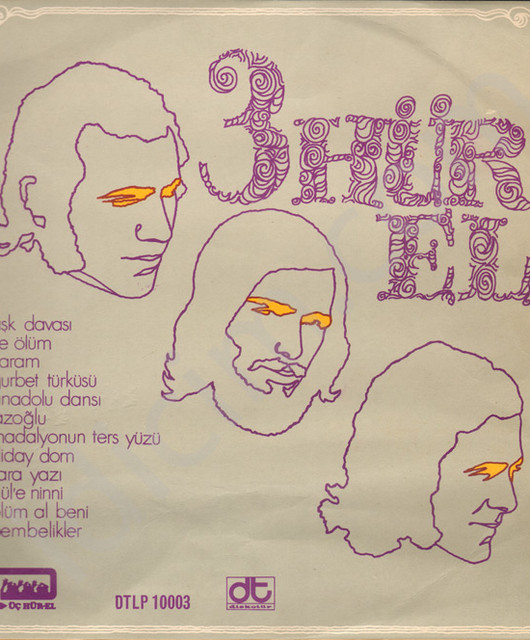
3 Hürel

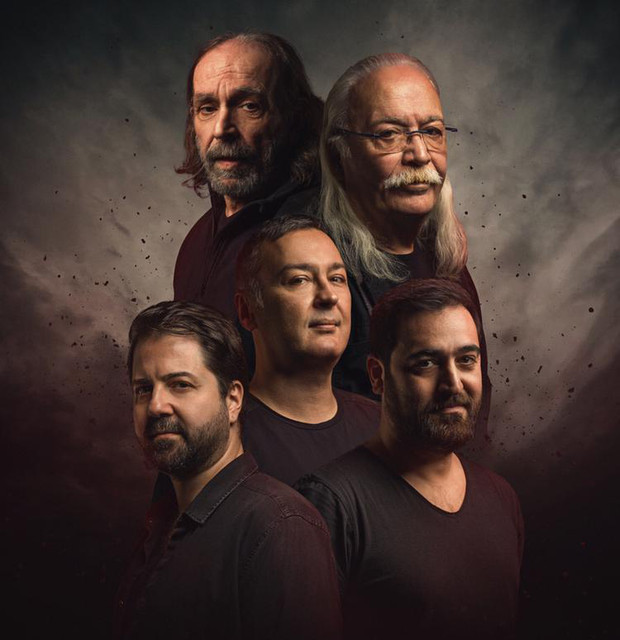
İlhan İrem

Mavi Işıklar

Mazhar Alanson
Feridun Düzağaç


Ayten Alpman
Ogün Sanlısoy




Ferdi Özbeğen
Gündoğarken