Data may be outdated
Last updated: 7 months ago — Click refresh to get the latest statistics.
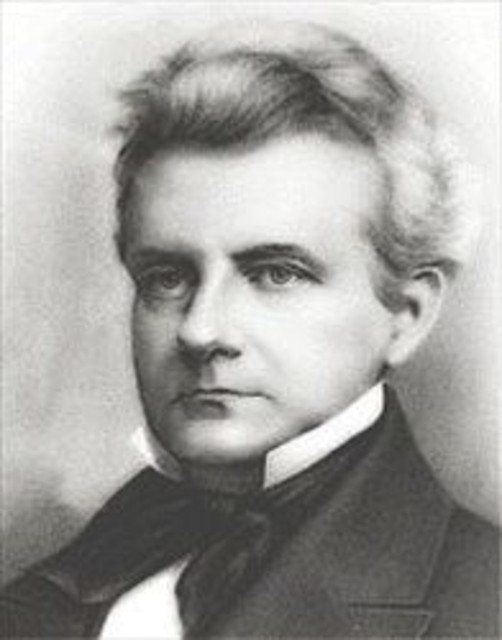
Charles Wood is best remembered for his large output of compositions designed for use in Anglican Church service. Some would argue that of equal importance was his work as a teacher, in particular because his list of pupils included <a href="spotify:artist:7wNkISK49lKeXuRaZcQVFe">Ralph Vaughan Williams</a> and <a href="spotify:artist:0Artcj84fSLUN93JectewP">Herbert Howells</a>. In any event, Wood must be counted among the more important minor composers from the British Isles of his generation. Wood also composed songs, cantatas, works for the stage, as well as various orchestral and chamber pieces. But their collective artistic worth generally takes second place to his anthems, communion service settings, psalm settings, and other religious compositions. Among his better known works are the Magnificat and Nunc Dimittis in F "Collegium Regale" (1915) and the St. Mark Passion (1920). Stylistically, Wood was a conservative whose religious music divulged the influence of one of his teachers, <a href="spotify:artist:1g5nZfwrmjGs2wLKi3XHk2">Charles Villiers Stanford</a>. In his cantatas, the voice of <a href="spotify:artist:4DAmH51BfQpej5UEP0dZ3u">Charles Hubert Parry</a>, another teacher, can also be heard. But for the most part, Wood was a fairly original composer, and one can assert that much of his church music output is rightly acclaimed.
Charles Wood was born in Armagh, (Northern) Ireland, on June 15, 1866. His father was a tenor at St. Patrick's Cathedral in Armagh, and Charles himself became a chorister there in his youth. His first advanced studies began about 1872 at the Cathedral school in Armagh under cathedral organist T.O. Marks. Wood later studied composition at the Royal College of Music in London under <a href="spotify:artist:4DAmH51BfQpej5UEP0dZ3u">Parry</a> and <a href="spotify:artist:1g5nZfwrmjGs2wLKi3XHk2">Stanford</a>. An accomplished organist, Wood followed with organ studies from 1888 at Selwyn College.
That same year Wood began teaching harmony at the RCM and the following year both harmony and counterpoint at Gonville and Caius College. By this time he had already written some of his more important early works, including the Cantata Spring's Summons (1885), for vocal soloists, chorus, and orchestra.
While retaining his teaching post at the RCM, Wood continued studies at Cambridge, where he was awarded a doctorate degree in 1894. He also served as bandmaster there from 1889-1897.
In the twentieth century Wood kept his association with both the RCM and Cambridge University. He earned honorary degrees from Leeds University in 1904 and from Oxford in 1924. That same year he became professor of composition at Cambridge, a post he held until his death on July 12, 1926.
Charles Wood was born in Armagh, (Northern) Ireland, on June 15, 1866. His father was a tenor at St. Patrick's Cathedral in Armagh, and Charles himself became a chorister there in his youth. His first advanced studies began about 1872 at the Cathedral school in Armagh under cathedral organist T.O. Marks. Wood later studied composition at the Royal College of Music in London under <a href="spotify:artist:4DAmH51BfQpej5UEP0dZ3u">Parry</a> and <a href="spotify:artist:1g5nZfwrmjGs2wLKi3XHk2">Stanford</a>. An accomplished organist, Wood followed with organ studies from 1888 at Selwyn College.
That same year Wood began teaching harmony at the RCM and the following year both harmony and counterpoint at Gonville and Caius College. By this time he had already written some of his more important early works, including the Cantata Spring's Summons (1885), for vocal soloists, chorus, and orchestra.
While retaining his teaching post at the RCM, Wood continued studies at Cambridge, where he was awarded a doctorate degree in 1894. He also served as bandmaster there from 1889-1897.
In the twentieth century Wood kept his association with both the RCM and Cambridge University. He earned honorary degrees from Leeds University in 1904 and from Oxford in 1924. That same year he became professor of composition at Cambridge, a post he held until his death on July 12, 1926.
Monthly Listeners
316,495
Monthly Listeners History
Track the evolution of monthly listeners over the last 28 days.
Followers
508
Followers History
Track the evolution of followers over the last 28 days.
Top Cities


Related Artists
Benjamin Nicholas


David Willcocks
Barnaby Smith

The Choir Of St John's College, Oxford
Christina Rossetti
Jim Clements

Harold Darke
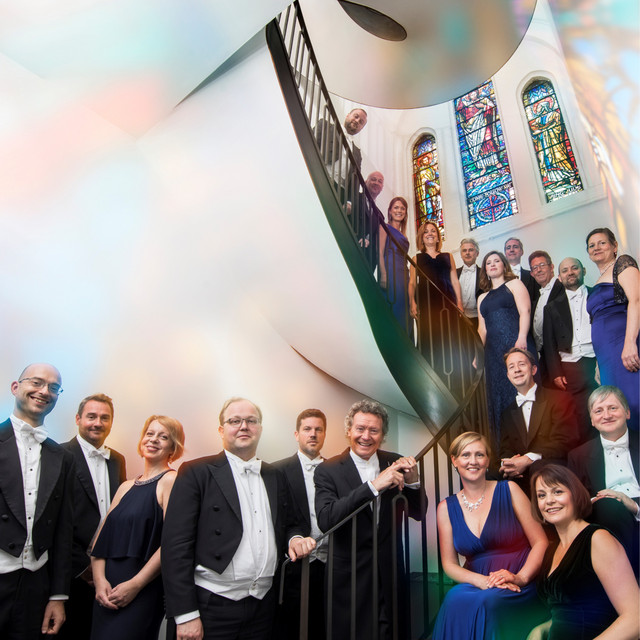
St Martin's Voices
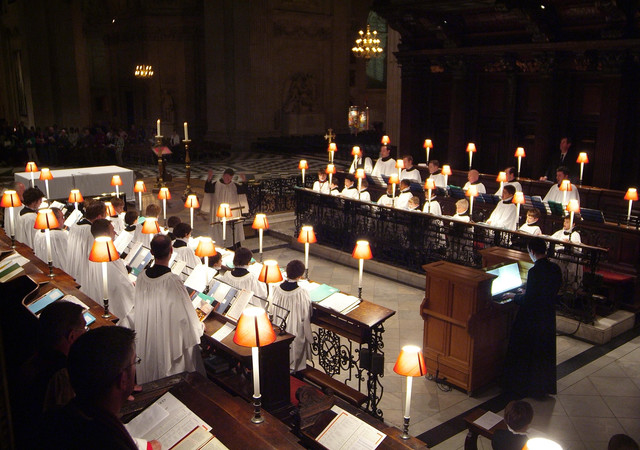
St. Paul's Cathedral Choir

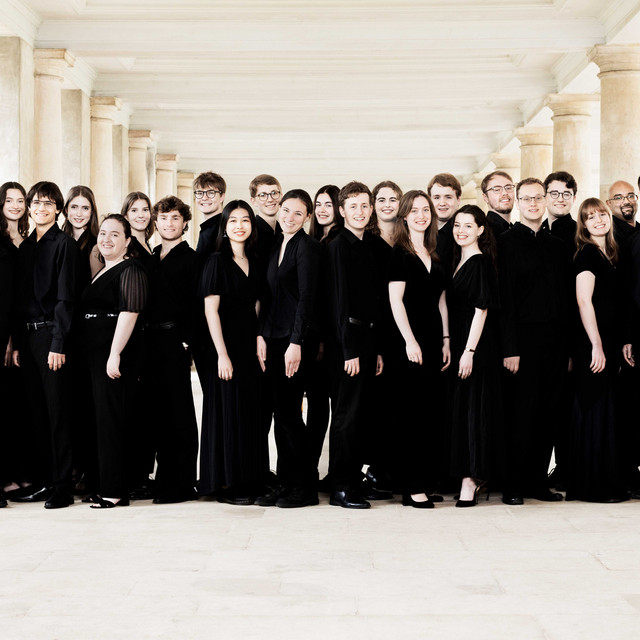
Thoinot Arbeau
Robert Stringer
English Traditional

John Henry Hopkins
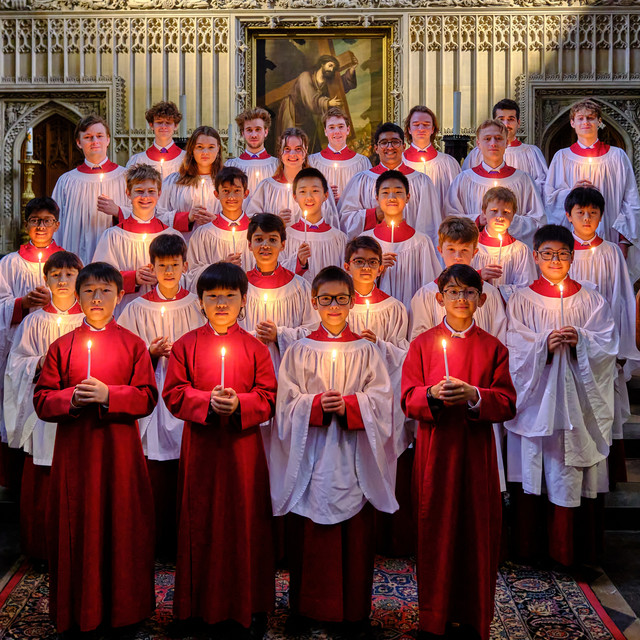
The Choir of Magdalen College, Oxford

Becky McGlade
David Roy
Owain Park