Genre
musicals
Top Musicals Artists
Showing 25 of 2,461 artists













About Musicals
Musicals, or musical theatre, is a form of live storytelling in which songs, spoken dialogue, acting and dance work together to advance plot, reveal character and shape emotion. Its roots lie in late 19th-century North America, drawing on operetta, music hall and vaudeville. One of the earliest long-running hybrids often cited as a progenitor is The Black Crook (1866) in New York, a sign of the era’s appetite for spectacle and song. By the 1920s through the 1940s Broadway generated a series of “book musicals” in which songs are integrated into the narrative rather than played as standalone numbers. Show Boat (1927) by Jerome Kern and Oscar Hammerstein II is widely seen as a watershed, proving that a musical could carry serious drama. Oklahoma! (1943), also by Rodgers and Hammerstein, epitomized the modern form: music and dance propel the plot and illuminate character, making the score inseparable from the story.
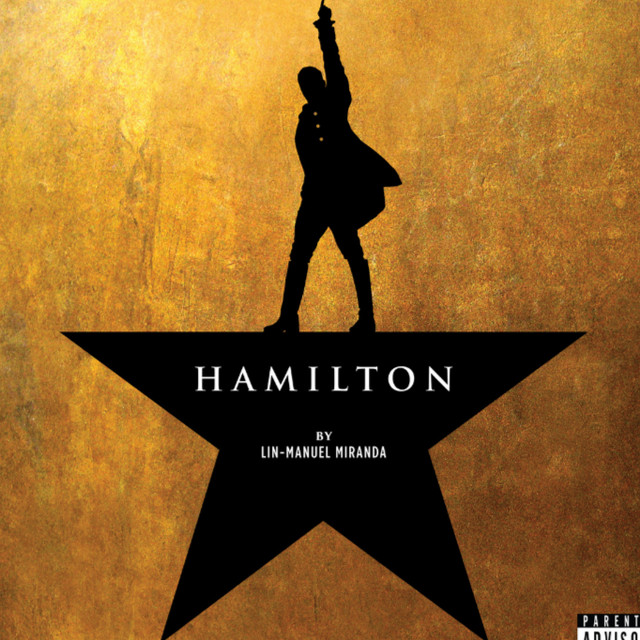
Over the decades, certain artists and teams became synonymous with the genre’s evolution. Rodgers and Hammerstein helped define the classic American musical with a string of enduring titles (Oklahoma!, Carousel, South Pacific, The King and I, The Sound of Music). Stephen Sondheim redefined musical theatre with intricate lyrics and complexity of character in works such as Company, Sweeney Todd, and Sunday in the Park with George. Lerner and Loewe brought lush, literate lyricism to shows like My Fair Lady and Brigadoon. In the late 20th century, Claude-Michel Schönberg and Alain Boublil created Les Misérables and Miss Saigon, reviving big, emotive storytelling on a grand scale. Andrew Lloyd Webber built a string of megahits—The Phantom of the Opera, Cats, Jesus Christ Superstar, Evita—that helped popularize theatre as a global spectacle. More recently, Lin-Manuel Miranda’s Hamilton fused hip‑hop with Broadway storytelling, while Jonathan Larson’s Rent modernized the “rock musical” voice for contemporary audiences.
Musical theatre also relies on performers who become its ambassadors. Julie Andrews became a defining face of musical charm and versatility on stage and screen; Lea Salonga’s powerful, pristine voice brought Miss Saigon and Disney heroines to life in multiple languages; Idina Menzel, Patti LuPone and Audra McDonald have become standard-bearers for vocal excellence and dramatic range. Lea Salonga’s career, and the enduring popularity of performers who can deliver both acting depth and show-stopping numbers, underline how musicals function as a collaborative art form—writing, composition, direction, choreography, design, and performance all intertwine.
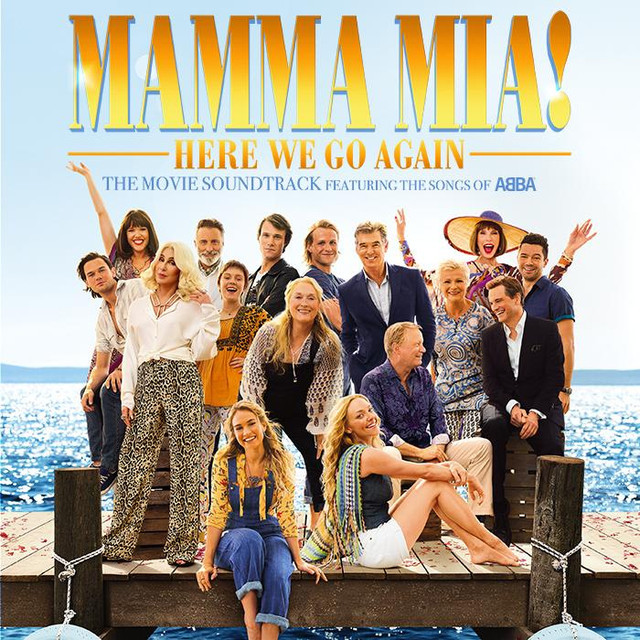
In terms of geography, the heartlands are the United States (Broadway, New York) and the United Kingdom (West End, London), but the genre thrives internationally. Canada and Australia host thriving seasons; Germany, France, Spain and Italy stage major productions; Japan has a particularly robust theatre culture with frequent, long-running Japanese-language renditions. Disney’s catalogue, modern revivals, and touring companies have helped bring Broadway and West End sensibilities to Asia, Europe and beyond, while jukebox and theme-park-inspired shows—like Mamma Mia!, Jersey Boys and We Will Rock You—demonstrate the genre’s flexibility to embrace pre-existing catalogs.
For music enthusiasts, musicals offer a living, global art form where composers, lyricists and performers continually push the balance between narrative and song, between spectacle and intimacy. The genre keeps evolving—bringing together classical craft, contemporary pop and diverse cultural voices—while remaining a shared vocabulary for storytelling through song.
Over the decades, certain artists and teams became synonymous with the genre’s evolution. Rodgers and Hammerstein helped define the classic American musical with a string of enduring titles (Oklahoma!, Carousel, South Pacific, The King and I, The Sound of Music). Stephen Sondheim redefined musical theatre with intricate lyrics and complexity of character in works such as Company, Sweeney Todd, and Sunday in the Park with George. Lerner and Loewe brought lush, literate lyricism to shows like My Fair Lady and Brigadoon. In the late 20th century, Claude-Michel Schönberg and Alain Boublil created Les Misérables and Miss Saigon, reviving big, emotive storytelling on a grand scale. Andrew Lloyd Webber built a string of megahits—The Phantom of the Opera, Cats, Jesus Christ Superstar, Evita—that helped popularize theatre as a global spectacle. More recently, Lin-Manuel Miranda’s Hamilton fused hip‑hop with Broadway storytelling, while Jonathan Larson’s Rent modernized the “rock musical” voice for contemporary audiences.
Musical theatre also relies on performers who become its ambassadors. Julie Andrews became a defining face of musical charm and versatility on stage and screen; Lea Salonga’s powerful, pristine voice brought Miss Saigon and Disney heroines to life in multiple languages; Idina Menzel, Patti LuPone and Audra McDonald have become standard-bearers for vocal excellence and dramatic range. Lea Salonga’s career, and the enduring popularity of performers who can deliver both acting depth and show-stopping numbers, underline how musicals function as a collaborative art form—writing, composition, direction, choreography, design, and performance all intertwine.
In terms of geography, the heartlands are the United States (Broadway, New York) and the United Kingdom (West End, London), but the genre thrives internationally. Canada and Australia host thriving seasons; Germany, France, Spain and Italy stage major productions; Japan has a particularly robust theatre culture with frequent, long-running Japanese-language renditions. Disney’s catalogue, modern revivals, and touring companies have helped bring Broadway and West End sensibilities to Asia, Europe and beyond, while jukebox and theme-park-inspired shows—like Mamma Mia!, Jersey Boys and We Will Rock You—demonstrate the genre’s flexibility to embrace pre-existing catalogs.
For music enthusiasts, musicals offer a living, global art form where composers, lyricists and performers continually push the balance between narrative and song, between spectacle and intimacy. The genre keeps evolving—bringing together classical craft, contemporary pop and diverse cultural voices—while remaining a shared vocabulary for storytelling through song.