Data may be outdated
Last updated: 1 month ago — Click refresh to get the latest statistics.
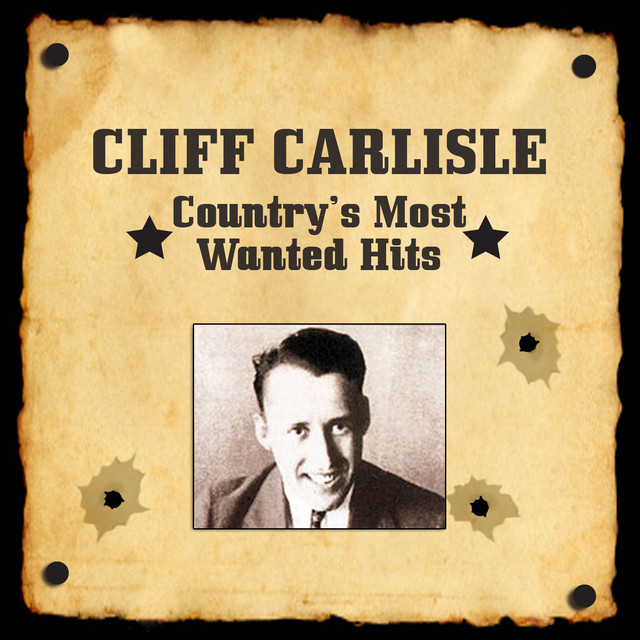
In 1930, Carlisle and <a href="spotify:artist:0quYJv2EZ2SBMvvdDQDRTm">Ball</a> debuted on Louisville radio WHAS, a fledgling station their popularity helped establish; that same year Carlisle made his first recordings on the Gennett and Champion labels, virtually all of them firmly in the tradition of <a href="spotify:artist:0Y0ZlznP6vzTS1qAm5dvTN">Jimmie Rodgers</a>. In 1931, he and <a href="spotify:artist:0quYJv2EZ2SBMvvdDQDRTm">Ball</a> actually recorded with <a href="spotify:artist:0Y0ZlznP6vzTS1qAm5dvTN">the Singing Brakeman</a> himself; that same year Carlisle also cut "Shanghai Rooster Yodel," the first in a series of ribald barnyard-themed outings that served him throughout his career, and might have influenced similar tracks by <a href="spotify:artist:7aExFIr0IHWO5aFjMrGwKw">Charley Patton</a> ("Banty Rooster Blues") and <a href="spotify:artist:0Wxy5Qka8BN9crcFkiAxSR">Howlin' Wolf</a> ("Little Red Rooster"). Upon signing to ARC in late 1931, Carlisle's career truly took flight, as he landed a regular spot on Charlotte, NC, station WBT, followed by subsequent gigs at Chicago's WLS and Cincinnati's WLW. His younger brother, <a href="spotify:artist:5EVYoaZNxCPnB3J5DfSqec">Bill</a>, replaced <a href="spotify:artist:0quYJv2EZ2SBMvvdDQDRTm">Ball</a> as rhythm guitarist circa 1934, and when Carlisle resumed recording in 1936 after a lengthy hiatus, his material became even saltier -- "Get Her By the Tail on a Down Hill Drag" was a classic barroom boast, while "That Nasty Swing" employed metaphorical imagery of surprising explicitness. (He typically recorded his more blue material under a variety of pseudonyms, including Bob Clifford and Amos Greene.)
During the mid-'30s, Carlisle's son -- billed as "Sonny Boy Tommy" -- began regularly appearing on live dates and recording sessions, a situation that often ran afoul of individual states' child labor laws. The recordings Carlisle made with his son were typically mild and innocuous, but his solo sides continued to get down and dirty -- "A Wild Cat Woman and a Tom Cat Man" offered a cartoonish portrait of domestic disputes, while the snarky "You'll Miss Me When I'm Gone" was later covered by <a href="spotify:artist:43ZHCT0cAZBISjO8DG9PnE">Elvis Presley</a> as "Just Because." In 1939, he recorded "Footprints in the Snow," later to become a bluegrass standard; the song offered clear proof that consumers' appetite for blue yodels was on the wane; in the years to follow, Carlisle was a regular on WMPS in Memphis, but by the early '50s he was essentially retired from the music industry, having recorded well over 300 sides during his heyday. He was rediscovered a decade later when <a href="spotify:artist:6Gb08eT3LlkGynDscl9vbz">the Rooftop Singers</a> covered his "Tom Cat Blues," leading to a handful of reunion performances with Wilber Ball and even the recording of new material for the Rem label. Cliff Carlisle died in Lexington, KY, on April 2, 1983; he was 78. ~ Jason Ankeny, Rovi
Monthly Listeners
3,066
Monthly Listeners History
Track the evolution of monthly listeners over the last 28 days.
Followers
1,816
Followers History
Track the evolution of followers over the last 28 days.
Total Streams
1.0 million
Total Streams History
Track the evolution of total streams over the last 28 days. This data is calculated from all tracks listed in the artist's discography.
Top Cities




Related Artists
Edna Hicks

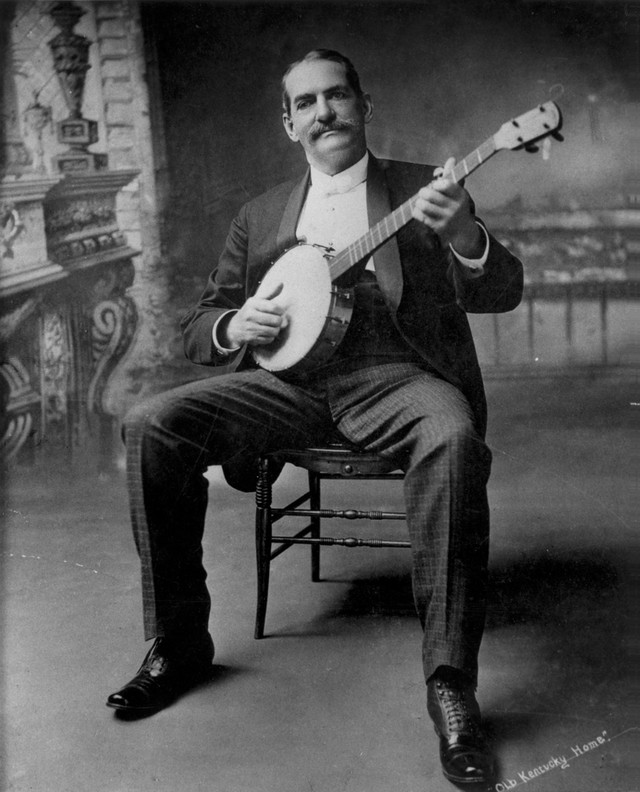

Ted Daffan's Texans
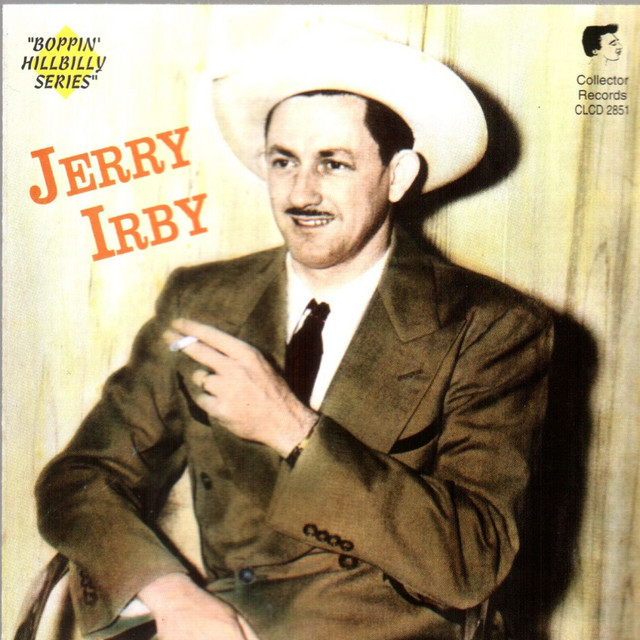

Rusty Dean
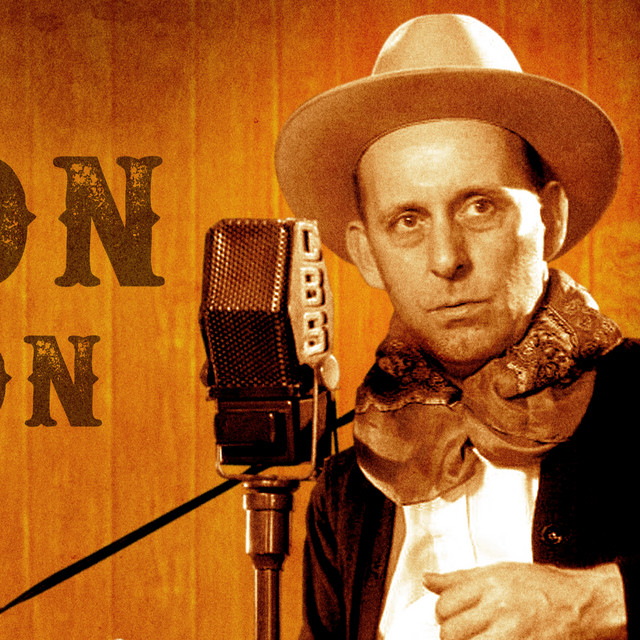

Pat Conte

Cartwright Brothers
Mac "Harry" McClintock

Goebel Reeves

Jules Allen

Chris Bouchillon
Lulu Belle & Scotty

Ozie Waters

Parker Edmondson

Bill Clifton

Arthur "Guitar Boogie" Smith



Arkansas Woochopper