Genre
country blues
Top Country blues Artists
Showing 25 of 1,398 artists





About Country blues
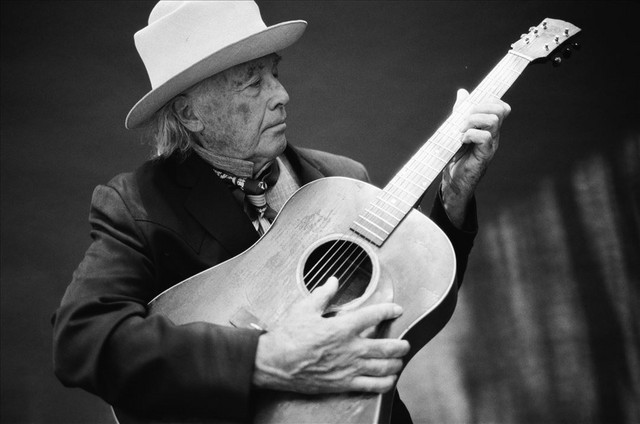
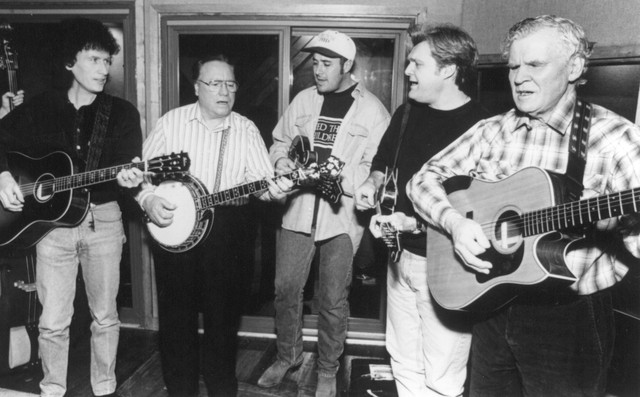
Country blues is the sun-warmed, storytelling side of the blues, rooted in the rural South and carried by solo performers who often accompanied themselves on acoustic guitar or harmonica. It is the pre-war, pre-electric lineage that grew up on front porches, dirt roads, and harvest camps, before the electric, city-blues sound took over in Chicago and beyond. In its canny simplicity you hear the workday, the wit, the longing, and the weathered humor of people living close to the land.
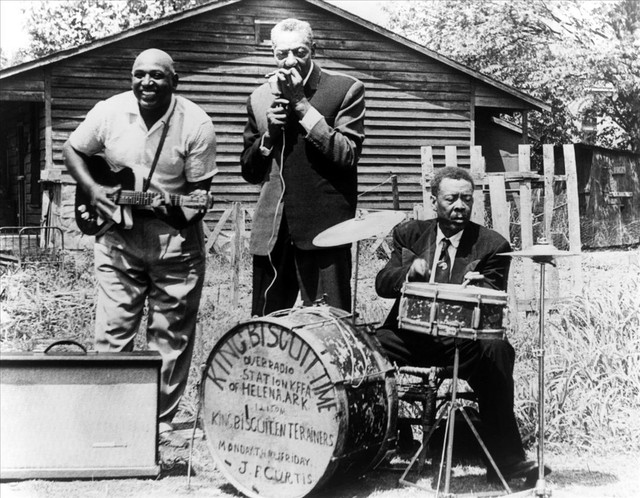
The genre’s birth is tied to the American idea of the traveling, self-made musician. In the 1920s and 1930s, itinerant players wandered the Mississippi Delta, Texas, Alabama, and Georgia, singing about love, hardship, work, and baptism of blood or luck. The first widely documented country blues records appeared in the late 1920s. Charley Patton and Blind Lemon Jefferson are often cited as among the earliest recorded masters, capturing raw, direct performances that paired six-string gravitas with a throat-scarred, expressive vocal style. Patton’s driving, improvisational approach and Jefferson’s urban-tinged, fingerpicked repertoire helped set a template for what would become country blues. Subsequent generations added more voices and textures, but the core ethos remained: intimate, direct storytelling backed by a spare, often hypnotic musical accompaniment.
Key artists and ambassadors of the genre include a roster of Delta and Texas masters whose recordings became archetypes. Charley Patton and Son House defined the Delta blade—deliberate, clattering rhythm and slide guitar that could sound almost mournful one moment and triumphant the next. Mississippi John Hurt introduced a gentler, fingerpicked warmth and a storyteller’s cadence that invited listeners to lean in. Blind Willie Johnson’s gospel-tinged gospel-blues, Bukka White’s raw, thunderous blues, and Skip James’s haunting high-lonesome pulses expanded the palette. Robert Johnson, though often grouped with Delta blues, embodies the cross-pollination country blues fostered, influencing countless players with his razor-edged phrasing and mystique. These artists are not just performers; they are historical anchors around which the genre circulates.
In terms of form and sound, country blues favors stripped-down arrangements: one performer, a guitar tuned in open tunings or standard, sometimes a harmonica, a voice that can ride the groove or snap with a percussive attack. The 12-bar blues structure is common, but there’s broad variation—bottleneck slides, fingerpicking, and improvisational call-and-response moments with the audience or self-accompaniment give each performance a distinctive character. The lyrics often braid work experiences with poignant or wry humor, making the material feel both universal and intimately local.
Country blues enjoyed a long, winding influence on later music. The 1960s blues revival, led by European audiences and British bands, renewed interest in Patton, Johnson, Hurt, and their peers, helping to feed the roots of rock and folk-rock beyond the American South. Today, its spirit lives on in contemporary acoustic blues players and in cross-genre nods that keep the tradition alive while inviting new listeners.
Where is it popular? It’s most closely associated with the United States—especially the South and the Mississippi Delta—but it also has a devoted, worldwide following among blues enthusiasts in Europe, the United Kingdom, Japan, and beyond. Festivals, archives, and reissues keep the country blues lineage accessible for new generations, ensuring that the porch-side, voice-led insistence of the genre continues to resonate.
The genre’s birth is tied to the American idea of the traveling, self-made musician. In the 1920s and 1930s, itinerant players wandered the Mississippi Delta, Texas, Alabama, and Georgia, singing about love, hardship, work, and baptism of blood or luck. The first widely documented country blues records appeared in the late 1920s. Charley Patton and Blind Lemon Jefferson are often cited as among the earliest recorded masters, capturing raw, direct performances that paired six-string gravitas with a throat-scarred, expressive vocal style. Patton’s driving, improvisational approach and Jefferson’s urban-tinged, fingerpicked repertoire helped set a template for what would become country blues. Subsequent generations added more voices and textures, but the core ethos remained: intimate, direct storytelling backed by a spare, often hypnotic musical accompaniment.
Key artists and ambassadors of the genre include a roster of Delta and Texas masters whose recordings became archetypes. Charley Patton and Son House defined the Delta blade—deliberate, clattering rhythm and slide guitar that could sound almost mournful one moment and triumphant the next. Mississippi John Hurt introduced a gentler, fingerpicked warmth and a storyteller’s cadence that invited listeners to lean in. Blind Willie Johnson’s gospel-tinged gospel-blues, Bukka White’s raw, thunderous blues, and Skip James’s haunting high-lonesome pulses expanded the palette. Robert Johnson, though often grouped with Delta blues, embodies the cross-pollination country blues fostered, influencing countless players with his razor-edged phrasing and mystique. These artists are not just performers; they are historical anchors around which the genre circulates.
In terms of form and sound, country blues favors stripped-down arrangements: one performer, a guitar tuned in open tunings or standard, sometimes a harmonica, a voice that can ride the groove or snap with a percussive attack. The 12-bar blues structure is common, but there’s broad variation—bottleneck slides, fingerpicking, and improvisational call-and-response moments with the audience or self-accompaniment give each performance a distinctive character. The lyrics often braid work experiences with poignant or wry humor, making the material feel both universal and intimately local.
Country blues enjoyed a long, winding influence on later music. The 1960s blues revival, led by European audiences and British bands, renewed interest in Patton, Johnson, Hurt, and their peers, helping to feed the roots of rock and folk-rock beyond the American South. Today, its spirit lives on in contemporary acoustic blues players and in cross-genre nods that keep the tradition alive while inviting new listeners.
Where is it popular? It’s most closely associated with the United States—especially the South and the Mississippi Delta—but it also has a devoted, worldwide following among blues enthusiasts in Europe, the United Kingdom, Japan, and beyond. Festivals, archives, and reissues keep the country blues lineage accessible for new generations, ensuring that the porch-side, voice-led insistence of the genre continues to resonate.