Data may be outdated
Last updated: 1 week ago — Click refresh to get the latest statistics.
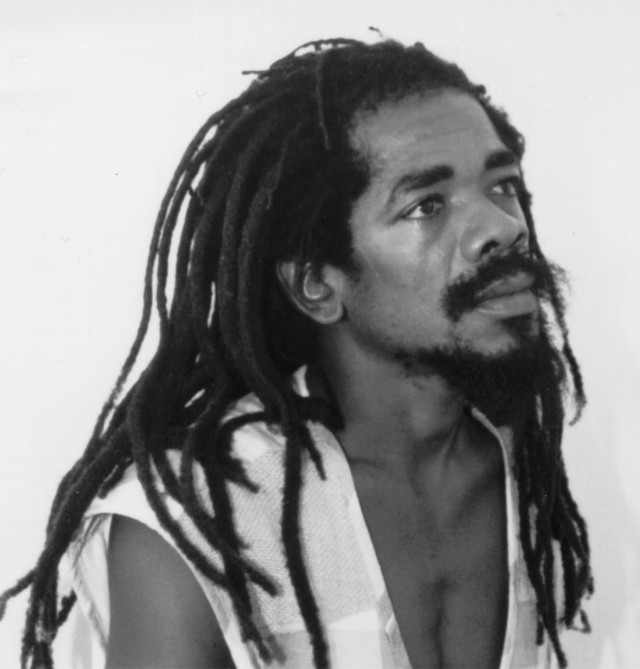
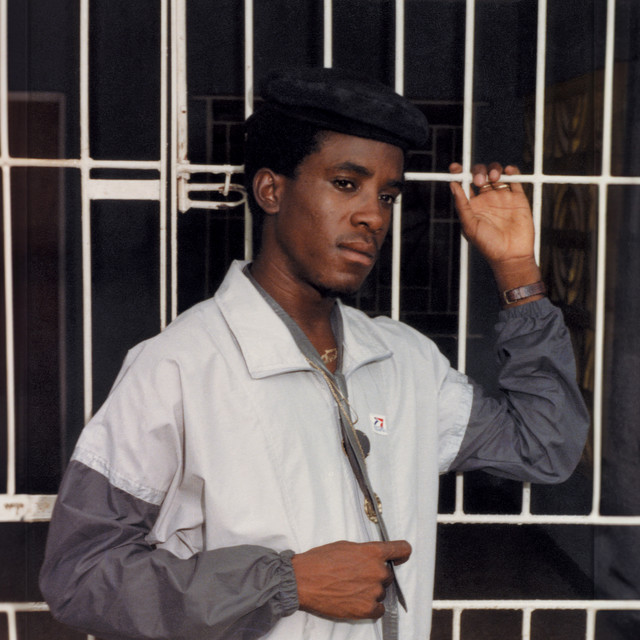
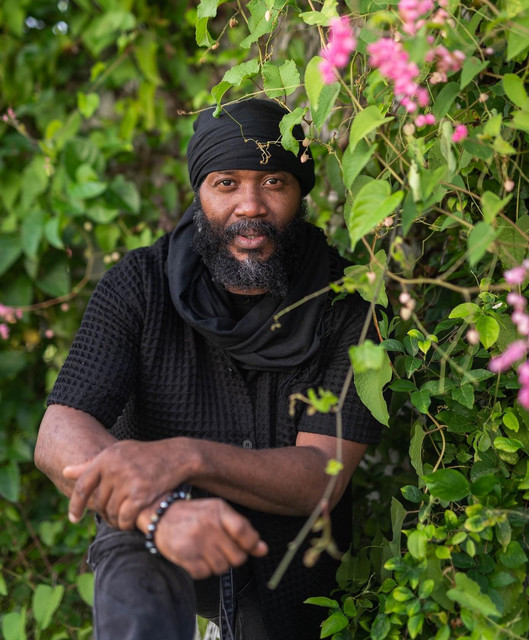
Tea was born <a href="spotify:artist:7BhXqyzPxr1b92ErdbetL1">Calvin Scott</a> on September 3, 1959, in Rocky Point, a small town in Jamaica's Clarendon parish. He sang in his church and school choirs as a youth, and made his first recordings for producer Willie Francis in 1974 at the mere age of 14; one single, "Searching in the Hills," was released under his given name, but went nowhere. He spent the next few years working as a racehorse jockey, then as a fisherman; during the latter occupation, he began to rediscover his musical ambitions, performing with the traveling sound systems that passed through local dancehalls.
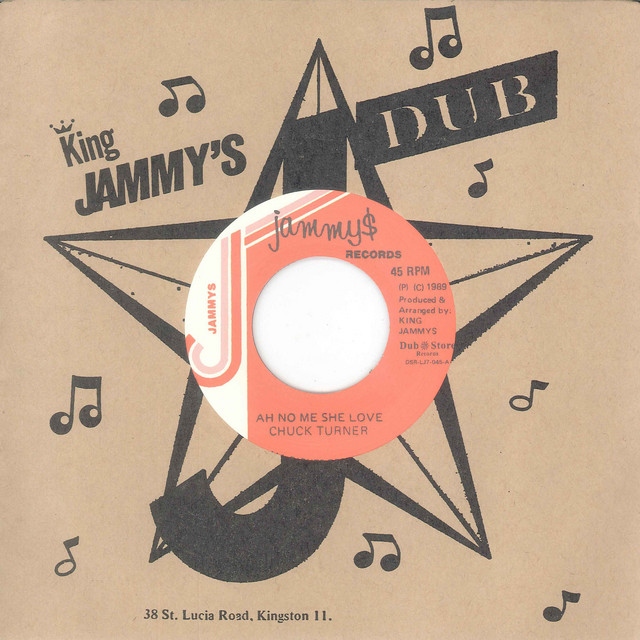
In 1983, he moved to Kingston and adopted the performing name Cocoa Tea, after the Jamaican term for hot chocolate (later alternate spellings would include Coco Tea and Coco T). He soon met top dancehall producer Henry "Junjo" Lawes, and recorded a series of hit singles that included "Rocking Dolly," "I Lost My Sonia," "Informer," and "Can't Stop Cocoa Tea." His first album, Weh Dem a Go Do...Can't Stop Coco Tea, was released in 1985 and compiled many of his previous successes (a slightly different version, Rocking Dolly, was later issued in the U.S.). Lawes moved his operation to New York, and <a href="spotify:artist:0xvTSLJBdLWHwUoQhGNbCe">King Jammy</a> became Tea's primary producer just as he was beginning to expand his focus to Rastafarian lyrical themes. The results included two albums, 1986's The Marshall and 1987's Come Again, and hit singles in those two title tracks, "Tune In," and "Settle Down," among others.
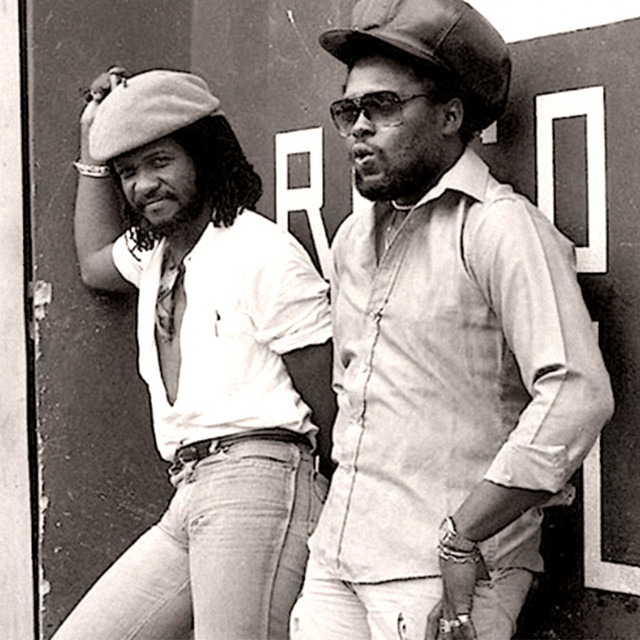
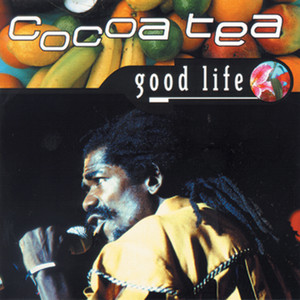
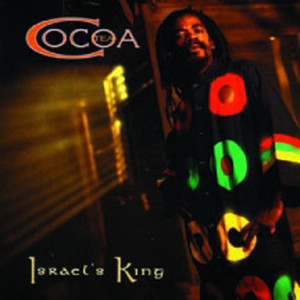
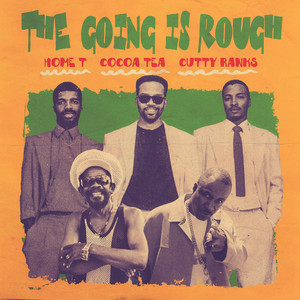
In 1989, a supergroup featuring Tea, <a href="spotify:artist:3j7Sw80qzL2FJlryUhI3wG">Shabba Ranks</a>, and <a href="spotify:artist:4r8uFLgGpVboorHRyfCi4f">Home T</a> recorded together under the auspices of both <a href="spotify:artist:0xvTSLJBdLWHwUoQhGNbCe">King Jammy</a> and <a href="spotify:artist:5Ttat8YHBjne955WnZJlor">Gussie Clarke</a>. The resulting album, Holding On, was a major hit in Jamaica, as were the singles "Pirates Anthem" and "Who She Love." Still an extremely viable solo artist, Tea recorded the biggest socially conscious hit of his career to date, "Riker's Island," in 1991, and supported it with an album of the same name. His strident anti-Gulf War commentaries "Oil Ting" and "No Blood for Oil" were banned on radio in Jamaica and the U.K.; the latter was included on a second supergroup album, Another One for the Road, for which <a href="spotify:artist:4qDGDPGMIJuIvPfUGe0Ngg">Cutty Ranks</a> replaced <a href="spotify:artist:3j7Sw80qzL2FJlryUhI3wG">Shabba</a>. Tea's next major solo hit was the lovers rock tune "Good Life," produced by Philip "Fatis" Burrell. He was able to maintain a steady, solid level of popularity into the late '90s, with hits for Burrell (1996's "Israel King," 1997's <a href="spotify:artist:6C5ugVsrxd3D7zeVqWJy1a">King Sporty</a> cover "I'm Not a King") and Bobby "Digital" Dixon (1995's "Holy Mount Zion"), plus a collaboration with <a href="spotify:artist:4qDGDPGMIJuIvPfUGe0Ngg">Cutty Ranks</a> on the 1997 <a href="spotify:artist:2QsynagSdAqZj3U9HgDzjD">Bob Marley</a> cover "Waiting in Vain." Much of his mid-'90s material was collected on Holy Mount Zion, which was released in 1997 by the legendary <a href="spotify:search:label%3A%22Motown%22">Motown</a> label. Further albums included 1998's One Way and 2001's Feel the Power. In 2008, he released the political anthem "Barack Obama," which became one of his most popular songs ever. He continued releasing music at a slightly slower pace in the late 2000s and 2010s, occasionally putting out a new single, albums of new material like 2014's Sunset in Negril, and compilations like 2019's Music Is Our Business. Cocoa Tea died on March 11, 2025, at the age of 65. ~ Steve Huey, Rovi
Monthly Listeners
664,409
Monthly Listeners History
Track the evolution of monthly listeners over the last 28 days.
Followers
232,622
Followers History
Track the evolution of followers over the last 28 days.
Total Streams
139.2 million
Total Streams History
Track the evolution of total streams over the last 28 days. This data is calculated from all tracks listed in the artist's discography.
Top Cities


Related Artists

Freddie McGregor




Massive B

Josey Wales




Warrior King


Marlon Asher