Genre
dancehall
Top Dancehall Artists
Showing 25 of 6,831 artists
About Dancehall
Dancehall is a vibrant Jamaican music genre and cultural phenomenon that emerged in Kingston’s dancehalls in the late 1970s, a direct evolution of reggae’s toasting tradition and sound-system culture. Where reggae often carries a slower, roots-oriented mood, dancehall intensified the tempo, the emphasis on rhythm, and the call-and-response between MCs and dancers. Early dancehall kept the social bite of toasting, with deejays delivering improvised rhymes over riddims, but it also introduced a more nightlife-focused, party-centric energy that defined the scene.
A pivotal shift happened in the mid-1980s with the digital revolution. Producers like King Jammy (Lloyd James) championed fully electronic rhythms, most famously with the Sleng Teng riddim, created on a computer keyboard. The digital era transformed production: punchier bass, razor-sharp snare, and a tempo that could drive dance floors worldwide. This era also broadened the vocabulary of the genre, moving beyond the stricter reggae tempo and letting DJs choreograph streetwise lyrics, boastful rhymes, and clever wordplay that could ride a contemporary beat in clubs and street parties alike. The rise of the digital riddims coincided with a wave of charismatic MCs who would become ambassadors of dancehall.
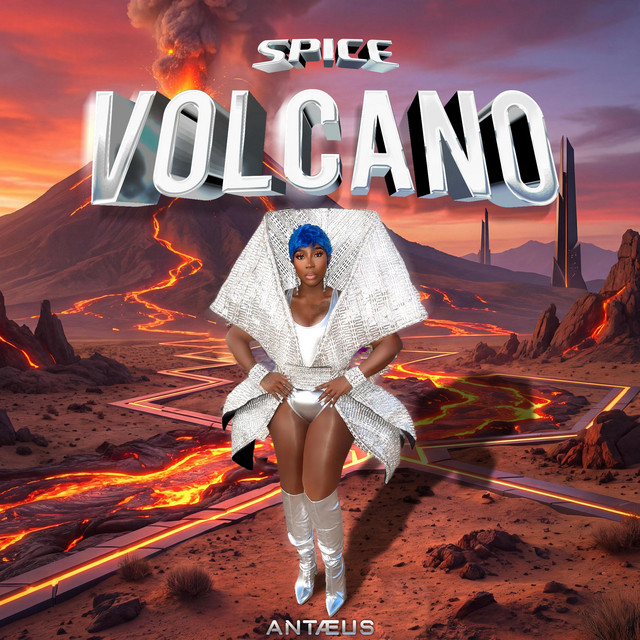
Some of the genre’s most enduring names anchor the history and sound of dancehall. Yellowman’s neon-energy and quick-fire patter in the 1980s helped bring dancehall to a wider audience. Shabba Ranks and Super Cat became international icons in the late 1980s and early 1990s, combining ruthless punchlines with a swaggering, party-ready attitude. Buju Banton fused hard-edged street realities with melodic versatility, while Beenie Man and Bounty Killer became central figures through the 1990s and beyond. Female artists like Lady Saw broke barriers with unapologetic, assertive performances, expanding the scope of what dancehall could express. In the new millennium, artists such as Sean Paul, Vybz Kartel, and more recently Popcaan and Spice helped carry the baton globally, crossing over into pop and urban markets and influencing artists far beyond Jamaica.
Dancehall’s influence is felt well beyond Jamaica’s borders. It enjoys staunch support in Jamaica’s diaspora communities across the United States (notably New York and Florida), the United Kingdom (especially London and Birmingham), Canada, and the Caribbean basin. International audiences have embraced its infectious rhythms, danceable beats, and the streetwise storytelling embedded in patois-filled lyrics. The genre’s rhythms also helped shape other movements—reggaeton’s dembow lineage, the rise of dancehall-infused hip-hop, and later collaborations with pop and trap artists—demonstrating dancehall’s global reach.
Today, dancehall remains a dynamic, evolving force: riddims adapt, new voices emerge, and the energy of the dancefloor continues to propel it forward. Its blend of fearless lyricism, infectious grooves, and a culture of dance and nightlife makes it a cornerstone of contemporary global music.
A pivotal shift happened in the mid-1980s with the digital revolution. Producers like King Jammy (Lloyd James) championed fully electronic rhythms, most famously with the Sleng Teng riddim, created on a computer keyboard. The digital era transformed production: punchier bass, razor-sharp snare, and a tempo that could drive dance floors worldwide. This era also broadened the vocabulary of the genre, moving beyond the stricter reggae tempo and letting DJs choreograph streetwise lyrics, boastful rhymes, and clever wordplay that could ride a contemporary beat in clubs and street parties alike. The rise of the digital riddims coincided with a wave of charismatic MCs who would become ambassadors of dancehall.
Some of the genre’s most enduring names anchor the history and sound of dancehall. Yellowman’s neon-energy and quick-fire patter in the 1980s helped bring dancehall to a wider audience. Shabba Ranks and Super Cat became international icons in the late 1980s and early 1990s, combining ruthless punchlines with a swaggering, party-ready attitude. Buju Banton fused hard-edged street realities with melodic versatility, while Beenie Man and Bounty Killer became central figures through the 1990s and beyond. Female artists like Lady Saw broke barriers with unapologetic, assertive performances, expanding the scope of what dancehall could express. In the new millennium, artists such as Sean Paul, Vybz Kartel, and more recently Popcaan and Spice helped carry the baton globally, crossing over into pop and urban markets and influencing artists far beyond Jamaica.
Dancehall’s influence is felt well beyond Jamaica’s borders. It enjoys staunch support in Jamaica’s diaspora communities across the United States (notably New York and Florida), the United Kingdom (especially London and Birmingham), Canada, and the Caribbean basin. International audiences have embraced its infectious rhythms, danceable beats, and the streetwise storytelling embedded in patois-filled lyrics. The genre’s rhythms also helped shape other movements—reggaeton’s dembow lineage, the rise of dancehall-infused hip-hop, and later collaborations with pop and trap artists—demonstrating dancehall’s global reach.
Today, dancehall remains a dynamic, evolving force: riddims adapt, new voices emerge, and the energy of the dancefloor continues to propel it forward. Its blend of fearless lyricism, infectious grooves, and a culture of dance and nightlife makes it a cornerstone of contemporary global music.