Data may be outdated
Last updated: 9 months ago — Click refresh to get the latest statistics.
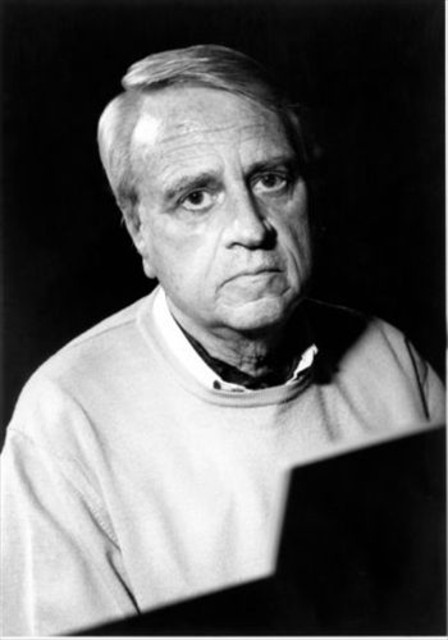
Cristobal Halffter is among the more important Spanish composers of the twentieth and twenty first centuries and easily among the Iberian Peninsula's most adventurous as well. He evolved quickly from the conservative <a href="spotify:artist:5BcbyYRgvvhfVGmCJSjHlT">Falla</a>-tinged style of his youth to the post-<a href="spotify:artist:6cg7ooZDeSSLYVTWGpASjX">Webern</a> modernism of his middle- and late-years. He delved into neo-Classicism early on, then dabbled in serial music, aleatoric, and electronic techniques, and finally fused multiple styles together, often calling upon styles from the distant past. Arguably, Halffter was the leading avant-garde Spanish composer of the mid-twentieth century, and probably must be regarded as one of the most influential as well. His orchestral work Microformas (1959-1960) helped usher in a new era in Spanish music, both shocking audiences and critics and stimulating his fellow composers to look toward the future. Halffter composed in most genres, including ballet, opera, symphonic (including a variety of concertos), chamber, vocal, choral, and various instrumental works.
Cristobal Halffter was born on March 24, 1930, in Madrid, Spain. His uncles, <a href="spotify:artist:2haoq62QRffBi42wBW8hWn">Ernesto Halffter</a> and Rodolfo Halftter, were also well-known Spanish composers. Of the three Halftters, <a href="spotify:artist:2haoq62QRffBi42wBW8hWn">Ernesto</a> is probably the more popular, while Cristobal is considered the more influential.
Cristobal's family fled the Spanish revolution and lived in Germany until 1939. He studied at Madrid's Real Conservatorio de Música, where his most important composition teacher was Conrado del Campo. Halftter graduated in 1951 and two years later attracted critical attention with his Piano Concerto, which was awarded the National Music Prize in 1954.
Halffter was appointed conductor of the Cadiz-based Manuel de Falla Orchestra in 1955, holding the post until 1963. In 1964 he became director of the Madrid Real Conservatorio, where he had served as professor of composition since 1960. Halffter's compositional style remained in the vanguard of modernism in the 1960s and 1970s. During this time he also composed several works relating to human rights, such as the massive 1968 choral work Yes, speak out, yes.
By the 1980s Halffter had settled into a less aggressive compositional manner, employing styles out of the past, as in the 1981 Fantasia para una sonoridad de G.F. Haendel, for string orchestra. In 1989 Halffter took on the post of principal guest conductor of the National Orchestra, Madrid. He remained active as a composer and conductor. Among his works are the opera Don Quixote (2000) and Attendite, for cello octet (2003).
Cristobal Halffter was born on March 24, 1930, in Madrid, Spain. His uncles, <a href="spotify:artist:2haoq62QRffBi42wBW8hWn">Ernesto Halffter</a> and Rodolfo Halftter, were also well-known Spanish composers. Of the three Halftters, <a href="spotify:artist:2haoq62QRffBi42wBW8hWn">Ernesto</a> is probably the more popular, while Cristobal is considered the more influential.
Cristobal's family fled the Spanish revolution and lived in Germany until 1939. He studied at Madrid's Real Conservatorio de Música, where his most important composition teacher was Conrado del Campo. Halftter graduated in 1951 and two years later attracted critical attention with his Piano Concerto, which was awarded the National Music Prize in 1954.
Halffter was appointed conductor of the Cadiz-based Manuel de Falla Orchestra in 1955, holding the post until 1963. In 1964 he became director of the Madrid Real Conservatorio, where he had served as professor of composition since 1960. Halffter's compositional style remained in the vanguard of modernism in the 1960s and 1970s. During this time he also composed several works relating to human rights, such as the massive 1968 choral work Yes, speak out, yes.
By the 1980s Halffter had settled into a less aggressive compositional manner, employing styles out of the past, as in the 1981 Fantasia para una sonoridad de G.F. Haendel, for string orchestra. In 1989 Halffter took on the post of principal guest conductor of the National Orchestra, Madrid. He remained active as a composer and conductor. Among his works are the opera Don Quixote (2000) and Attendite, for cello octet (2003).
Monthly Listeners
204
Monthly Listeners History
Track the evolution of monthly listeners over the last 28 days.
Followers
624
Followers History
Track the evolution of followers over the last 28 days.
Top Cities
19 listeners
6 listeners

3 listeners
3 listeners

3 listeners
Related Artists

Lorenzo Palomo
望月豪
Nicolas Bacri
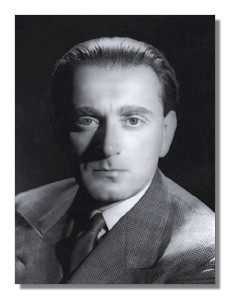
László Lajtha
Ataulfo Argenta

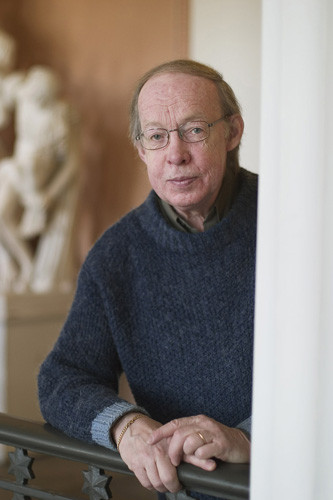
Pehr Henrik Nordgren

Baltic Neopolis Orchestra
Roberto Sawicki
Ernst Kovacic

Boris Ivanovich Tishchenko

Roberto Fabbriciani
C.P.E バッハ
Leopoldo Saracino
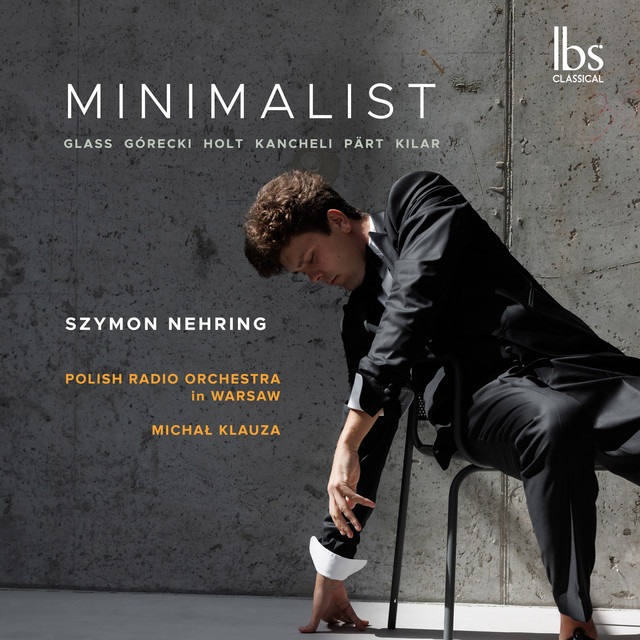
Michał Klauza
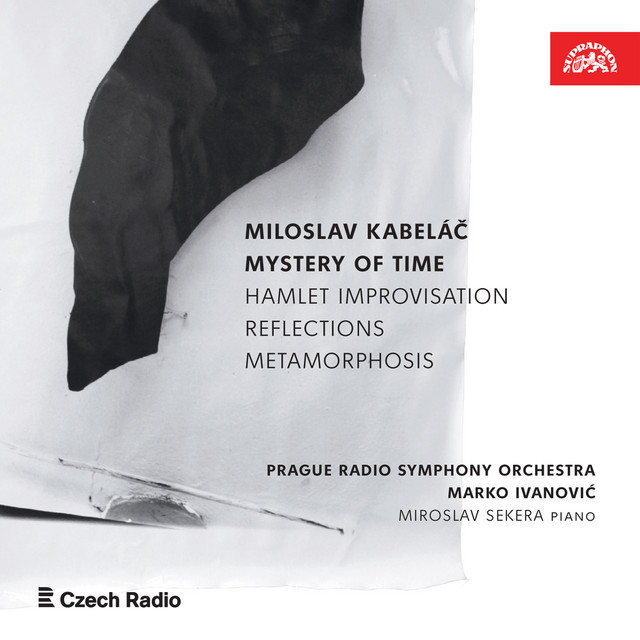
Miloslav Kabeláč
