Data may be outdated
Last updated: 9 months ago — Click refresh to get the latest statistics.
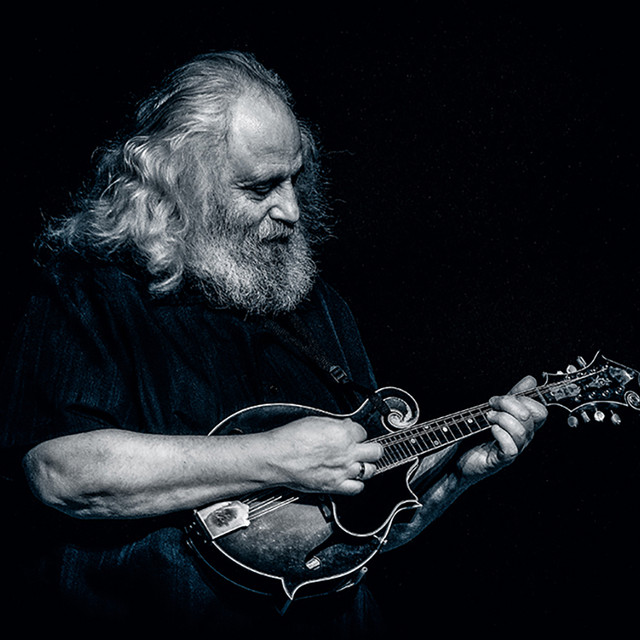
Mandolin player David Grisman has a hybrid playing style that owes almost as much to jazz as it does to bluegrass and traditional American folk influences. Dubbing his highly intricate, harmonically advanced blend of sounds "dawg music", Grisman has been active since the 1960s and has branched out beyond the boundaries of any one scene. With roots deep in the Quintet of the Hot Club of France, Grisman's jazz sensibilities were strong enough to attract the admiration of the HCQ's <a href="spotify:artist:6AfbDYupHV5e6nse9W6tKG">Stéphane Grappelli</a>, who toured and recorded with Grisman on occasion. His contributions to <a href="spotify:artist:4TMHGUX5WI7OOm53PqSDAT">the Grateful Dead</a>'s highly cherished Americana phase brought Grisman to the attention of rock audiences, and he collaborated often with <a href="spotify:artist:3QDaXfnxfQqqJQK5lSdjLN">Jerry Garcia</a>. In addition to his many solo albums, such as 1993 set Common Chord or 2006's Dawg's Groove, Grisman's discography is full of collaborative efforts. These have taken the form of 2017's team-up with guitarist <a href="spotify:artist:0AJD75yBfnawqdsZ9lvIxw">Frank Vignola</a>, Frank 'n' Dawg, as well as a bevy of archival recordings such as the 2024 from-the-vaults affair Bare Bones, a collection of over 50 duo tracks with <a href="spotify:artist:3QDaXfnxfQqqJQK5lSdjLN">Jerry Garcia</a> recorded over the years at Grisman's home studio.
Grisman was already playing the piano, saxophone, and mandolin by the time he was a teenager, taking up the latter at age 16. While attending New York University in 1963, he began playing with <a href="spotify:artist:4yhvAPDyjZSpFHMo3pFUUg">the Even Dozen Jug Band</a>, which at one time included <a href="spotify:artist:2VUiF0VFkXzB0DLg9AzrqT">Maria Muldaur</a> and <a href="spotify:artist:3FPF6tyBTP79pCCAJDcPft">John Sebastian</a>. In 1966, bluegrass bandleader <a href="spotify:artist:1VkiIRxkeBZrnTjsvG8Xqg">Red Allen</a> invited Grisman to join his Kentuckians, and the following year Grisman joined <a href="spotify:artist:52FOkBVb83F2QduWKRqmhm">Peter Rowan</a> in the progressive-minded <a href="spotify:artist:0jm51WxuFGKGGuPZbFaC2X">Earth Opera</a>, which blended folk, country, rock, pop, and jazz. After two albums, he moved to San Francisco and hooked up with <a href="spotify:artist:3QDaXfnxfQqqJQK5lSdjLN">Jerry Garcia</a>, playing on <a href="spotify:artist:4TMHGUX5WI7OOm53PqSDAT">the Grateful Dead</a>'s classic American Beauty. He went on to play in <a href="spotify:artist:3QDaXfnxfQqqJQK5lSdjLN">Garcia</a>'s bluegrass side project, <a href="spotify:artist:45vs9Drn5QbWAQ4Kff6ofh">Old & in the Way</a>, along with <a href="spotify:artist:52FOkBVb83F2QduWKRqmhm">Peter Rowan</a>, who also reteamed with him in the loose all-star group <a href="spotify:artist:4bRCPEdQ8XgpBJwXv1WzgM">Muleskinner</a>. In 1974, Grisman co-founded the Great American String Band with <a href="spotify:artist:4bRCPEdQ8XgpBJwXv1WzgM">Muleskinner</a> fiddler <a href="spotify:artist:5tc9xcv0phfVRO4TT2yxs5">Richard Greene</a>, which first allowed him to explore the lengthy instrumental improvisations that would become his trademark.
<a href="spotify:artist:5tc9xcv0phfVRO4TT2yxs5">Greene</a> didn't stick around for too long, and in 1976 Grisman assembled a new group dubbed <a href="spotify:artist:5Biyy105DovS7aMHiU1HRL">the David Grisman Quintet</a>, which featured guitarist <a href="spotify:artist:6N9hyojoLChEhlsS8vYnyr">Tony Rice</a>, fiddler <a href="spotify:artist:2Qu0gRrkqyff7e7JXOVNWf">Darol Anger</a>, bassist <a href="spotify:artist:28GtJHVA8ARidEYFWX0tiG">Joe Carroll</a>, and mandolinist/bassist <a href="spotify:artist:2cyuIVFHVuM00QdzCyxbUs">Todd Phillips</a>. The Quintet's self-titled debut was released in 1977 on <a href="spotify:search:label%3A%22Kaleidoscope%22">Kaleidoscope</a> and proved a seminal influence on the so-called "newgrass" or "new acoustic" movements, thanks to its progressive, jazz-fueled harmonies and improvisations. The follow-up, 1979's Hot Dawg, was Grisman's breakthrough album; it was released on <a href="spotify:search:label%3A%22A%26M%22">A&M</a>'s jazz imprint, <a href="spotify:search:label%3A%22Horizon%22">Horizon</a>, and featured guest work by jazz violin legend <a href="spotify:artist:6AfbDYupHV5e6nse9W6tKG">Stephane Grappelli</a>. By this time, there was already personnel turnover in <a href="spotify:artist:5Biyy105DovS7aMHiU1HRL">the Quintet</a>; mandolinist <a href="spotify:artist:2WJmZq6fEmecdQVd3s38jE">Mike Marshall</a> joined up, and by the time Grisman moved to <a href="spotify:search:label%3A%22Warner%22">Warner</a> and recorded Mondo Mando in 1981, bassist <a href="spotify:artist:4tbbrHi36Qp5zErYaV0aUJ">Rob Wasserman</a> and violinist <a href="spotify:artist:5zfaMrd5q4szVTxVYWuoDV">Mark O'Connor</a> joined <a href="spotify:artist:6N9hyojoLChEhlsS8vYnyr">Rice</a>, <a href="spotify:artist:2Qu0gRrkqyff7e7JXOVNWf">Anger</a>, and <a href="spotify:artist:2WJmZq6fEmecdQVd3s38jE">Marshall</a>. In all, Grisman recorded four albums for <a href="spotify:search:label%3A%22Warner%22">Warner</a> over 1980-1983; 1982's Dawg Jazz/Dawg Grass was another notable outing with <a href="spotify:artist:6AfbDYupHV5e6nse9W6tKG">Grappelli</a> that, true to its title, split its repertoire between swing and bluegrass.
By 1984, the original "dawg music" lineup had largely broken up, with most of the members moving on to productive solo and/or collaborative projects (<a href="spotify:artist:2Qu0gRrkqyff7e7JXOVNWf">Anger</a> notably joined <a href="spotify:artist:5ofemHoNWTjeADvzFTAhy2">the Turtle Island String Quartet</a>). Grisman played on a number of sessions in the meantime, including with jazz-minded banjo virtuoso <a href="spotify:artist:2ka8z2lwkcp13fG8Wyv3xU">Béla Fleck</a>, who claimed Grisman as a major influence. In 1985, Grisman organized a new group with seasoned jazz musicians: bassist Jim Kerwin, guitarist Dimitri Vandellos, and drummer <a href="spotify:artist:0WgvhPewM8PlLTuHW1n66G">George Marsh</a>, who backed him on a 1987 duet album with jazz violinist <a href="spotify:artist:52by2zEnqIhLTfdC3x7GMp">Svend Asmussen</a>, Svingin' with Svend. The more traditional bluegrass outing Home Is Where the Heart Is followed in 1988, before Grisman formed his own <a href="spotify:search:label%3A%22Acoustic+Disc%22">Acoustic Disc</a> label in 1990 and became much more prolific.
A steady stream of releases appeared on <a href="spotify:search:label%3A%22Acoustic+Disc%22">Acoustic Disc</a> during the first half of the '90s, starting with Dawg '90, which debuted a new core group that included Kerwin, fiddler/drummer <a href="spotify:artist:02oLSAhxVY1QPjjP5UBDXi">Joe Craven</a>, and flutist <a href="spotify:artist:6rGmRtZrjRNDAhk6n9yGqR">Matt Eakle</a>, as well as returning alum <a href="spotify:artist:5zfaMrd5q4szVTxVYWuoDV">Mark O'Connor</a>, guitarist <a href="spotify:artist:3EYBJvYvNQAt2Dieu4icBL">John Carlini</a>, and fiddler Matt Glaser. Other notable releases included a 1991 reteaming with <a href="spotify:artist:3QDaXfnxfQqqJQK5lSdjLN">Jerry Garcia</a> and two albums of Tone Poems (i.e., duets with <a href="spotify:artist:6N9hyojoLChEhlsS8vYnyr">Tony Rice</a> and <a href="spotify:artist:3ZNRPH9WeMybGggbmNOE62">Martin Taylor</a>, respectively). Argentine guitarist <a href="spotify:artist:6rte79Gji7GBBnPMEIXbT2">Enrique Coria</a> joined the lineup of Grisman, Kerwin, <a href="spotify:artist:02oLSAhxVY1QPjjP5UBDXi">Craven</a>, and <a href="spotify:artist:6rGmRtZrjRNDAhk6n9yGqR">Eakle</a> for 1995's Latin-flavored Dawganova. Grisman entered another productive period in 1999, issuing several widely varied projects, and reconvened that quintet for 2002's Dawgnation. A collection of collaborations with other bluegrass musicians recorded over three decades, Life of Sorrow, was released in 2003 by <a href="spotify:search:label%3A%22Acoustic+Disc%22">Acoustic Disc</a>, followed by New Shabbos Waltz, a collaboration with <a href="spotify:artist:2ZyDdd4aJKDNwkqqSXPh8r">Andy Statman</a>, in 2006, also on <a href="spotify:search:label%3A%22Acoustic+Disc%22">Acoustic Disc</a>. Grisman also released two other albums in 2006, DGBX (with <a href="spotify:artist:2kvTKR7k5q7jcjlEZ7QvQm">the David Grisman Bluegrass Experience</a>) and Dawg's Groove.
Grisman was quiet, especially by his standards, for the next several years, releasing only one album of new material, 2011's Folk Jazz Trio, between 2007 and 2015. However, in time he was back to his usual prolific ways, issuing The David Grisman Sextet in 2016 and two albums in 2017: Frank 'N' Dawg, a collaboration with <a href="spotify:artist:0AJD75yBfnawqdsZ9lvIxw">Frank Vignola</a>; and another <a href="spotify:artist:2kvTKR7k5q7jcjlEZ7QvQm">David Grisman Bluegrass Experience</a> set, Muddy Roads: Old-Time Music of Clarence Ashley & Doc Watson. Grisman steadily released refurbished, high-definition, and alternate versions of his earlier catalog, and also released newer recordings like 2019's Dawg Trio, or the 2024 collaboration with Brazilian choro music master <a href="spotify:artist:73vM3SbmtkLJF4znejktOe">Danilo Brito</a>, Dawgnilo. In 2025, Grisman combed the vaults for Bare Bones, a three-volume series of master takes, alternate versions, and other songs tracked with <a href="spotify:artist:3QDaXfnxfQqqJQK5lSdjLN">Jerry Garcia</a> at Grisman's home studio. While many of these songs were later adorned with overdubs and released on various of the pair's albums, Bare Bones presented the songs in their rawest form. ~ Richard S. Ginell & Steve Huey, Rovi
Grisman was already playing the piano, saxophone, and mandolin by the time he was a teenager, taking up the latter at age 16. While attending New York University in 1963, he began playing with <a href="spotify:artist:4yhvAPDyjZSpFHMo3pFUUg">the Even Dozen Jug Band</a>, which at one time included <a href="spotify:artist:2VUiF0VFkXzB0DLg9AzrqT">Maria Muldaur</a> and <a href="spotify:artist:3FPF6tyBTP79pCCAJDcPft">John Sebastian</a>. In 1966, bluegrass bandleader <a href="spotify:artist:1VkiIRxkeBZrnTjsvG8Xqg">Red Allen</a> invited Grisman to join his Kentuckians, and the following year Grisman joined <a href="spotify:artist:52FOkBVb83F2QduWKRqmhm">Peter Rowan</a> in the progressive-minded <a href="spotify:artist:0jm51WxuFGKGGuPZbFaC2X">Earth Opera</a>, which blended folk, country, rock, pop, and jazz. After two albums, he moved to San Francisco and hooked up with <a href="spotify:artist:3QDaXfnxfQqqJQK5lSdjLN">Jerry Garcia</a>, playing on <a href="spotify:artist:4TMHGUX5WI7OOm53PqSDAT">the Grateful Dead</a>'s classic American Beauty. He went on to play in <a href="spotify:artist:3QDaXfnxfQqqJQK5lSdjLN">Garcia</a>'s bluegrass side project, <a href="spotify:artist:45vs9Drn5QbWAQ4Kff6ofh">Old & in the Way</a>, along with <a href="spotify:artist:52FOkBVb83F2QduWKRqmhm">Peter Rowan</a>, who also reteamed with him in the loose all-star group <a href="spotify:artist:4bRCPEdQ8XgpBJwXv1WzgM">Muleskinner</a>. In 1974, Grisman co-founded the Great American String Band with <a href="spotify:artist:4bRCPEdQ8XgpBJwXv1WzgM">Muleskinner</a> fiddler <a href="spotify:artist:5tc9xcv0phfVRO4TT2yxs5">Richard Greene</a>, which first allowed him to explore the lengthy instrumental improvisations that would become his trademark.
<a href="spotify:artist:5tc9xcv0phfVRO4TT2yxs5">Greene</a> didn't stick around for too long, and in 1976 Grisman assembled a new group dubbed <a href="spotify:artist:5Biyy105DovS7aMHiU1HRL">the David Grisman Quintet</a>, which featured guitarist <a href="spotify:artist:6N9hyojoLChEhlsS8vYnyr">Tony Rice</a>, fiddler <a href="spotify:artist:2Qu0gRrkqyff7e7JXOVNWf">Darol Anger</a>, bassist <a href="spotify:artist:28GtJHVA8ARidEYFWX0tiG">Joe Carroll</a>, and mandolinist/bassist <a href="spotify:artist:2cyuIVFHVuM00QdzCyxbUs">Todd Phillips</a>. The Quintet's self-titled debut was released in 1977 on <a href="spotify:search:label%3A%22Kaleidoscope%22">Kaleidoscope</a> and proved a seminal influence on the so-called "newgrass" or "new acoustic" movements, thanks to its progressive, jazz-fueled harmonies and improvisations. The follow-up, 1979's Hot Dawg, was Grisman's breakthrough album; it was released on <a href="spotify:search:label%3A%22A%26M%22">A&M</a>'s jazz imprint, <a href="spotify:search:label%3A%22Horizon%22">Horizon</a>, and featured guest work by jazz violin legend <a href="spotify:artist:6AfbDYupHV5e6nse9W6tKG">Stephane Grappelli</a>. By this time, there was already personnel turnover in <a href="spotify:artist:5Biyy105DovS7aMHiU1HRL">the Quintet</a>; mandolinist <a href="spotify:artist:2WJmZq6fEmecdQVd3s38jE">Mike Marshall</a> joined up, and by the time Grisman moved to <a href="spotify:search:label%3A%22Warner%22">Warner</a> and recorded Mondo Mando in 1981, bassist <a href="spotify:artist:4tbbrHi36Qp5zErYaV0aUJ">Rob Wasserman</a> and violinist <a href="spotify:artist:5zfaMrd5q4szVTxVYWuoDV">Mark O'Connor</a> joined <a href="spotify:artist:6N9hyojoLChEhlsS8vYnyr">Rice</a>, <a href="spotify:artist:2Qu0gRrkqyff7e7JXOVNWf">Anger</a>, and <a href="spotify:artist:2WJmZq6fEmecdQVd3s38jE">Marshall</a>. In all, Grisman recorded four albums for <a href="spotify:search:label%3A%22Warner%22">Warner</a> over 1980-1983; 1982's Dawg Jazz/Dawg Grass was another notable outing with <a href="spotify:artist:6AfbDYupHV5e6nse9W6tKG">Grappelli</a> that, true to its title, split its repertoire between swing and bluegrass.
By 1984, the original "dawg music" lineup had largely broken up, with most of the members moving on to productive solo and/or collaborative projects (<a href="spotify:artist:2Qu0gRrkqyff7e7JXOVNWf">Anger</a> notably joined <a href="spotify:artist:5ofemHoNWTjeADvzFTAhy2">the Turtle Island String Quartet</a>). Grisman played on a number of sessions in the meantime, including with jazz-minded banjo virtuoso <a href="spotify:artist:2ka8z2lwkcp13fG8Wyv3xU">Béla Fleck</a>, who claimed Grisman as a major influence. In 1985, Grisman organized a new group with seasoned jazz musicians: bassist Jim Kerwin, guitarist Dimitri Vandellos, and drummer <a href="spotify:artist:0WgvhPewM8PlLTuHW1n66G">George Marsh</a>, who backed him on a 1987 duet album with jazz violinist <a href="spotify:artist:52by2zEnqIhLTfdC3x7GMp">Svend Asmussen</a>, Svingin' with Svend. The more traditional bluegrass outing Home Is Where the Heart Is followed in 1988, before Grisman formed his own <a href="spotify:search:label%3A%22Acoustic+Disc%22">Acoustic Disc</a> label in 1990 and became much more prolific.
A steady stream of releases appeared on <a href="spotify:search:label%3A%22Acoustic+Disc%22">Acoustic Disc</a> during the first half of the '90s, starting with Dawg '90, which debuted a new core group that included Kerwin, fiddler/drummer <a href="spotify:artist:02oLSAhxVY1QPjjP5UBDXi">Joe Craven</a>, and flutist <a href="spotify:artist:6rGmRtZrjRNDAhk6n9yGqR">Matt Eakle</a>, as well as returning alum <a href="spotify:artist:5zfaMrd5q4szVTxVYWuoDV">Mark O'Connor</a>, guitarist <a href="spotify:artist:3EYBJvYvNQAt2Dieu4icBL">John Carlini</a>, and fiddler Matt Glaser. Other notable releases included a 1991 reteaming with <a href="spotify:artist:3QDaXfnxfQqqJQK5lSdjLN">Jerry Garcia</a> and two albums of Tone Poems (i.e., duets with <a href="spotify:artist:6N9hyojoLChEhlsS8vYnyr">Tony Rice</a> and <a href="spotify:artist:3ZNRPH9WeMybGggbmNOE62">Martin Taylor</a>, respectively). Argentine guitarist <a href="spotify:artist:6rte79Gji7GBBnPMEIXbT2">Enrique Coria</a> joined the lineup of Grisman, Kerwin, <a href="spotify:artist:02oLSAhxVY1QPjjP5UBDXi">Craven</a>, and <a href="spotify:artist:6rGmRtZrjRNDAhk6n9yGqR">Eakle</a> for 1995's Latin-flavored Dawganova. Grisman entered another productive period in 1999, issuing several widely varied projects, and reconvened that quintet for 2002's Dawgnation. A collection of collaborations with other bluegrass musicians recorded over three decades, Life of Sorrow, was released in 2003 by <a href="spotify:search:label%3A%22Acoustic+Disc%22">Acoustic Disc</a>, followed by New Shabbos Waltz, a collaboration with <a href="spotify:artist:2ZyDdd4aJKDNwkqqSXPh8r">Andy Statman</a>, in 2006, also on <a href="spotify:search:label%3A%22Acoustic+Disc%22">Acoustic Disc</a>. Grisman also released two other albums in 2006, DGBX (with <a href="spotify:artist:2kvTKR7k5q7jcjlEZ7QvQm">the David Grisman Bluegrass Experience</a>) and Dawg's Groove.
Grisman was quiet, especially by his standards, for the next several years, releasing only one album of new material, 2011's Folk Jazz Trio, between 2007 and 2015. However, in time he was back to his usual prolific ways, issuing The David Grisman Sextet in 2016 and two albums in 2017: Frank 'N' Dawg, a collaboration with <a href="spotify:artist:0AJD75yBfnawqdsZ9lvIxw">Frank Vignola</a>; and another <a href="spotify:artist:2kvTKR7k5q7jcjlEZ7QvQm">David Grisman Bluegrass Experience</a> set, Muddy Roads: Old-Time Music of Clarence Ashley & Doc Watson. Grisman steadily released refurbished, high-definition, and alternate versions of his earlier catalog, and also released newer recordings like 2019's Dawg Trio, or the 2024 collaboration with Brazilian choro music master <a href="spotify:artist:73vM3SbmtkLJF4znejktOe">Danilo Brito</a>, Dawgnilo. In 2025, Grisman combed the vaults for Bare Bones, a three-volume series of master takes, alternate versions, and other songs tracked with <a href="spotify:artist:3QDaXfnxfQqqJQK5lSdjLN">Jerry Garcia</a> at Grisman's home studio. While many of these songs were later adorned with overdubs and released on various of the pair's albums, Bare Bones presented the songs in their rawest form. ~ Richard S. Ginell & Steve Huey, Rovi
Monthly Listeners
219,320
Monthly Listeners History
Track the evolution of monthly listeners over the last 28 days.
Followers
69,315
Followers History
Track the evolution of followers over the last 28 days.
Top Cities
5,413 listeners
4,037 listeners
3,850 listeners
3,270 listeners
3,185 listeners
Related Artists
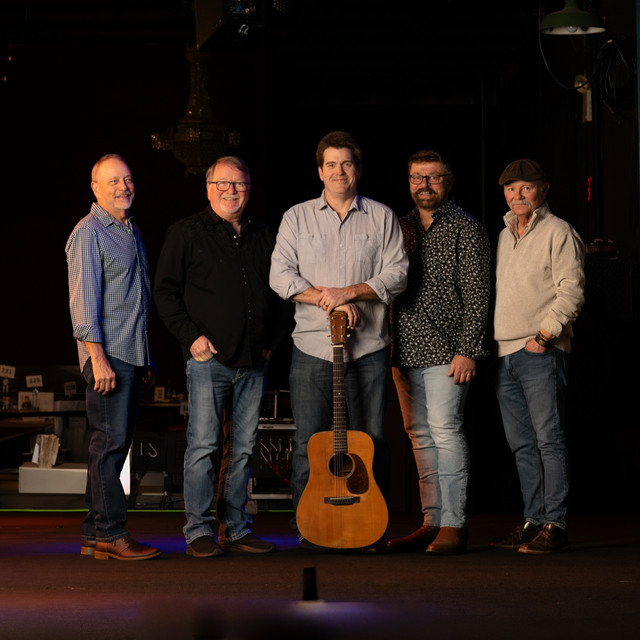
The Del McCoury Band

Bryan Sutton

The Travelin' McCourys
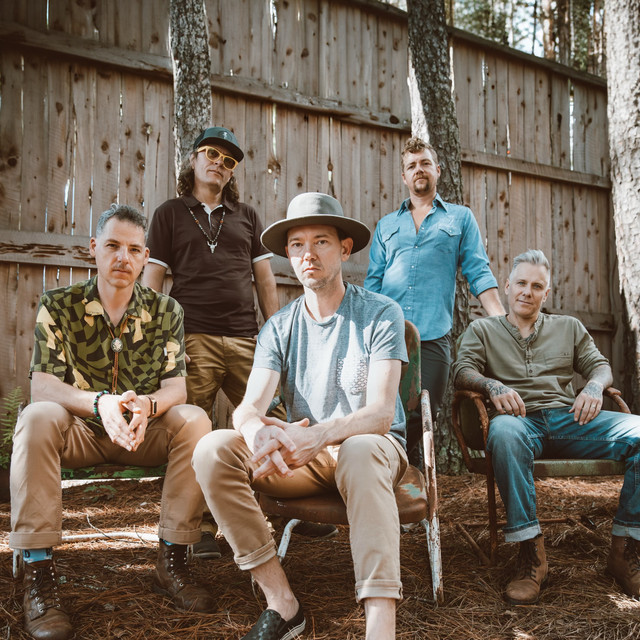
The Infamous Stringdusters
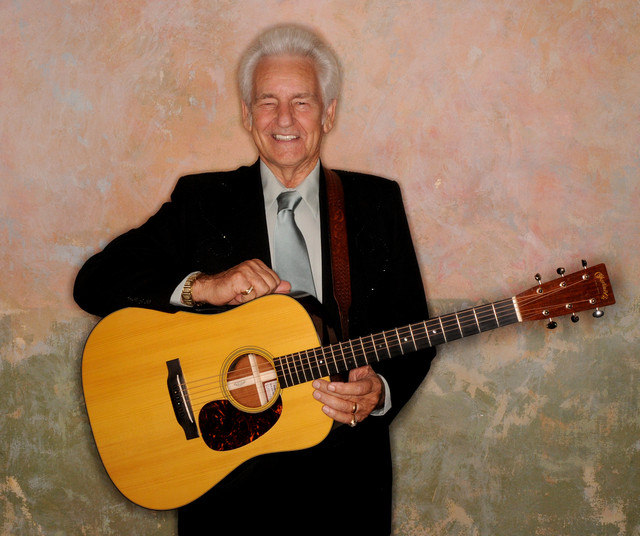
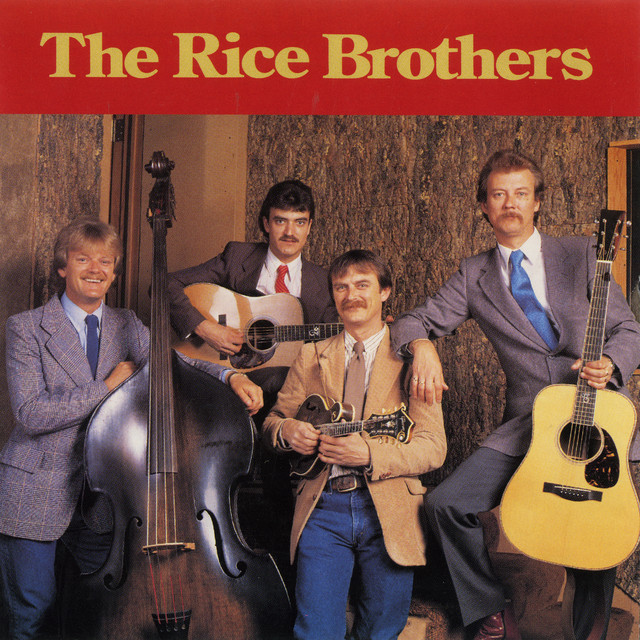
The Rice Brothers

Steep Canyon Rangers
Shadowgrass