Genre
bluegrass
Top Bluegrass Artists
Showing 25 of 3,337 artists












About Bluegrass
Bluegrass is an American roots music that crystallized in the Appalachian Mountains during the mid-20th century. It is defined by bright, acoustic instrumentation, fast tempos, tight vocal harmonies, and high-energy instrumental breaks. The name comes from Bill Monroe’s band, the Blue Grass Boys, a nod to Kentucky’s nickname, the Bluegrass State. While it draws on old-time fiddle tunes, gospel harmonies, and Irish-Scottish ballads carried to Appalachia by settlers, bluegrass as a distinct style matured in the 1940s and 1950s, helped by radio shows, dance halls, and the rising prominence of country music’s new, more concert-friendly sound.
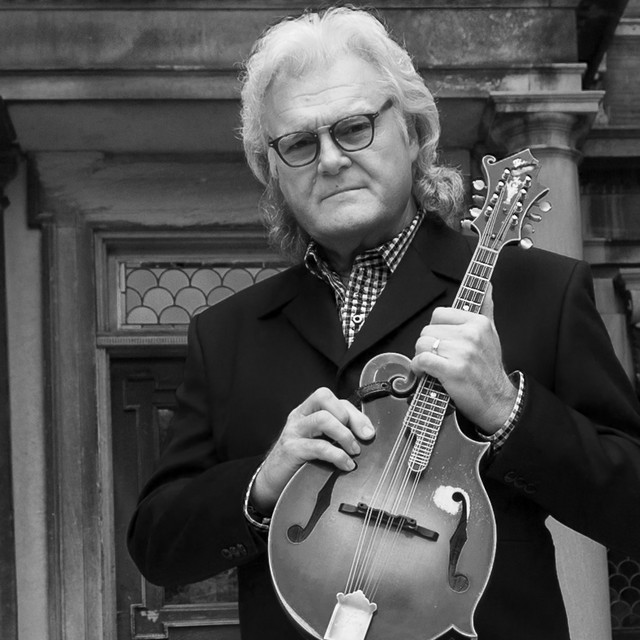
The core of bluegrass is a five-piece instrumental lineup: five-string banjo, mandolin, fiddle, guitar, and bass. The sound is propelled by precise, often lightning-fast picking and a driving rhythm, with mandolin bursts and fiddle solos weaving between the vocal lines. Harmony singing—often in a three- or four-part blend—gives the music its characteristic warmth and a sense of communal energy. A defining feature is the instrumental “break,” where each musician gets a featured solo in turn, typically during the chorus or a bridge.
Key figures and ambassadors: Bill Monroe is regarded as the father of bluegrass for shaping its vocabulary and form. Earl Scruggs, whose three-finger banjo picking became a hallmark of the genre, helped propel bluegrass into national prominence with Flatt and Scruggs, one of the most influential acts in the tradition. Other early architects include the Stanley Brothers, the Osborne Brothers, and Jimmy Martin, all of whom pushed the repertoire toward a blend of virtuosity and heartfelt storytelling. In later decades, artists such as Alison Krauss, Ricky Skaggs, and the Del McCoury Band carried the tradition forward with new audiences, while Bela Fleck broadened the instrument’s language through jazz-inflected explorations with Béla Fleck and the Flecktones and other collaborations. The genre continues to grow with groups like The Infamous Stringdusters, Yonder Mountain String Band, and Nickel Creek, who fuse bluegrass roots with contemporary sensibilities.
Global reach and popularity: Bluegrass remains most popular in the United States, especially in the Appalachian region, the South, and Texas, with strong festival cultures and a steady stream of new recordings. It has a robust international presence, including Canada and many parts of Europe (the United Kingdom, Ireland, the Netherlands, Germany, and Scandinavia), as well as in Japan, Australia, and other regions where enthusiasts celebrate regular festivals, workshops, and concerts. International audiences are drawn to its virtuosity, communal feel, and the way it preserves traditional tunes while inviting fresh, exploratory directions.
For music lovers, bluegrass offers a living tradition: a tight-knit ensemble sound rooted in history, yet continually renewed by fearless improvisation and cross-genre curiosity.
The core of bluegrass is a five-piece instrumental lineup: five-string banjo, mandolin, fiddle, guitar, and bass. The sound is propelled by precise, often lightning-fast picking and a driving rhythm, with mandolin bursts and fiddle solos weaving between the vocal lines. Harmony singing—often in a three- or four-part blend—gives the music its characteristic warmth and a sense of communal energy. A defining feature is the instrumental “break,” where each musician gets a featured solo in turn, typically during the chorus or a bridge.
Key figures and ambassadors: Bill Monroe is regarded as the father of bluegrass for shaping its vocabulary and form. Earl Scruggs, whose three-finger banjo picking became a hallmark of the genre, helped propel bluegrass into national prominence with Flatt and Scruggs, one of the most influential acts in the tradition. Other early architects include the Stanley Brothers, the Osborne Brothers, and Jimmy Martin, all of whom pushed the repertoire toward a blend of virtuosity and heartfelt storytelling. In later decades, artists such as Alison Krauss, Ricky Skaggs, and the Del McCoury Band carried the tradition forward with new audiences, while Bela Fleck broadened the instrument’s language through jazz-inflected explorations with Béla Fleck and the Flecktones and other collaborations. The genre continues to grow with groups like The Infamous Stringdusters, Yonder Mountain String Band, and Nickel Creek, who fuse bluegrass roots with contemporary sensibilities.
Global reach and popularity: Bluegrass remains most popular in the United States, especially in the Appalachian region, the South, and Texas, with strong festival cultures and a steady stream of new recordings. It has a robust international presence, including Canada and many parts of Europe (the United Kingdom, Ireland, the Netherlands, Germany, and Scandinavia), as well as in Japan, Australia, and other regions where enthusiasts celebrate regular festivals, workshops, and concerts. International audiences are drawn to its virtuosity, communal feel, and the way it preserves traditional tunes while inviting fresh, exploratory directions.
For music lovers, bluegrass offers a living tradition: a tight-knit ensemble sound rooted in history, yet continually renewed by fearless improvisation and cross-genre curiosity.