Data may be outdated
Last updated: 9 months ago — Click refresh to get the latest statistics.
British writer, composer, and curator David Toop has been highly influential as both a musician and journalist since the 1970s, contributing to numerous publications, authoring several highly regarded books, and producing myriad styles of music, both as a solo artist and collaborator. Although Toop's recorded output has included everything from experimental rock and jazz (including improvised sets with <a href="spotify:artist:0VITQtcz6yfeI0Rp1DDG0M">Paul Burwell</a>, <a href="spotify:artist:6iHFVMeO5fISrA1thm7Whf">Steve Beresford</a>, and <a href="spotify:artist:3gkJ7lXtLpE4KauFHpk2vK">John Zorn</a>) to musique concrète, the bulk of his solo and collaborative works has been in the vein of experimental ambient. Many of his recordings blend alien abstraction with earthly melodicism, incorporating acoustic instruments, spoken word samples, and global influences. Perhaps better known as a journalist and music historiographer, Toop wrote one of the first books about hip-hop -- 1984's groundbreaking Rap Attack -- and has been a longtime contributing editor and columnist for U.K. experimental music magazine The Wire. He released the acclaimed environmental ambient full-length Buried Dreams (with <a href="spotify:artist:2HaoZ1iUb5ktpGtbIQBgTv">Max Eastley</a>) in 1994, and curated several ambitious compilations beginning with 1996's Ocean of Sound. His solo discography includes albums on labels such as <a href="spotify:search:label%3A%22Virgin%22">Virgin</a>, <a href="spotify:search:label%3A%22Caipirinha%22">Caipirinha</a>, <a href="spotify:search:label%3A%22Sub+Rosa%22">Sub Rosa</a>, and <a href="spotify:search:label%3A%22Room40%22">Room40</a>, with highlights including 2003's Black Chamber and 2016's Entities Inertias Faint Beings.
Born in Enfield, Greater London, in 1949 and raised in nearby Waltham Cross, Toop studied at iconic British institution Hornsey College of Art. He became a fixture in the British improvisational and experimental music scene, and released several albums in collaboration with artists such as <a href="spotify:artist:2HaoZ1iUb5ktpGtbIQBgTv">Max Eastley</a>, <a href="spotify:artist:0VITQtcz6yfeI0Rp1DDG0M">Paul Burwell</a>, and <a href="spotify:artist:6iHFVMeO5fISrA1thm7Whf">Steve Beresford</a>. Toop and <a href="spotify:artist:2HaoZ1iUb5ktpGtbIQBgTv">Eastley</a>'s 1975 album, New and Rediscovered Musical Instruments, was one of the first releases on <a href="spotify:artist:7MSUfLeTdDEoZiJPDSBXgi">Brian Eno</a>'s Obscure label. Toop was a member of experimental rock collective <a href="spotify:artist:6OTyP4stcTwXut8GYYRpRv">the 49 Americans</a>, as well as avant-pop group <a href="spotify:artist:2L9iHIK8h5HvZe6VXb0aOI">the Flying Lizards</a>, who were well known on both sides of the Atlantic for their robotic, postmodern cover versions of oldies such as "Money (That's What I Want)" and "Summertime Blues." He was also involved in General Strike, an experimental dub group, as well as Japanese synth pop band <a href="spotify:artist:1KvhRYi3h3swS8mIJgyyPu">Frank Chickens</a>. Other artists he worked with during the '80s included <a href="spotify:artist:3gkJ7lXtLpE4KauFHpk2vK">John Zorn</a>, <a href="spotify:artist:60SKMJ5AgD6DuxTNbVrrSQ">Ivor Cutler</a>, and <a href="spotify:artist:6BkTUVaHHgKUAjc4U7xGUL">Prince Far I</a>.
After a second edition of Rap Attack was published in 1992, Toop recorded one of his most acclaimed albums with <a href="spotify:artist:2HaoZ1iUb5ktpGtbIQBgTv">Eastley</a>. The duo's 1994 collaboration, Buried Dreams, is a widely hailed document of experimental environmental composition. A dizzying blend of found sounds, field recordings, electro-acoustics, and digital manipulation, its success (and critical popularity) also helped set the tone for Toop's subsequent solo work. Screen Ceremonies was released in 1995 on the <a href="spotify:search:label%3A%22Wire+Editions%22">Wire Editions</a> label, and he appeared on ambient techno compilations released by labels such as <a href="spotify:search:label%3A%22em%3At%22">em:t</a> and <a href="spotify:search:label%3A%22Instinct+Records%22">Instinct Records</a>. Toop also published an extensive, definitive book about ambient music titled Ocean of Sound, and a widely hailed, similarly named double-CD compilation was released, examining the history of recorded sound from Buddhist monks to <a href="spotify:artist:3G3Gdm0ZRAOxLrbyjfhii5">My Bloody Valentine</a>.
For the remainder of the '90s, Toop was highly active both as a musician and a curator, with albums appearing on <a href="spotify:search:label%3A%22Virgin%22">Virgin</a> (Pink Noir, 1996, and Spirit World, 1997), <a href="spotify:search:label%3A%22Caipirinha%22">Caipirinha</a> (Museum of Fruit, 1997), and <a href="spotify:search:label%3A%22Barooni%22">Barooni</a> (Hot Pants Idol, 1999), as well as several additional Ocean of Sound compilations. He also published another book, Exotica: Fabricated Soundscapes in a Real World, in 1999, and a third volume of Rap Attack was released in 2000. During the early 2000s, he acted as sound curator for several exhibitions, including 2000's <a href="spotify:search:label%3A%22Sonic+Boom%22">Sonic Boom</a> (at London's Hayward Gallery) and 2001-2002's Radical Fashion (at the Victoria and Albert Museum). Toop composed the soundtrack to a CD-R exhibition in Belgium titled Mondophrenetic, and <a href="spotify:search:label%3A%22Sub+Rosa%22">Sub Rosa</a> released the music as 37th Floor at Sunset in 2000. That same year, Toop collaborated with British cyberpunk novelist Jeff Noon for an album titled Needle in the Groove, which was released by <a href="spotify:artist:7FEmduuEjfoagq6Qrgviji">Scanner</a>'s <a href="spotify:search:label%3A%22Sulphur%22">Sulphur</a> label. Toop and <a href="spotify:artist:7FEmduuEjfoagq6Qrgviji">Scanner</a> later collaborated with I/O3, releasing A Picturesque View, Ignored on I/O3 member <a href="spotify:artist:0V1EXFlRy3LeOKB07YJucI">Lawrence English</a>'s <a href="spotify:search:label%3A%22Room40%22">Room40</a> label in 2002.
In 2003, a Toop solo album titled Black Chamber was released by <a href="spotify:search:label%3A%22Sub+Rosa%22">Sub Rosa</a>. A collaboration with <a href="spotify:artist:00UrcvUhUkB0H8ZPkrs5TZ">Akio Suzuki</a> titled Breath-Taking was issued by <a href="spotify:search:label%3A%22Confront%22">Confront</a> in 2004. Also that year, a new album with <a href="spotify:artist:2HaoZ1iUb5ktpGtbIQBgTv">Eastley</a> titled Doll Creature appeared on French label <a href="spotify:search:label%3A%22BiP_HOp%22">BiP_HOp</a>. Toop wrote another book, Haunted Memory, which was accompanied by double-CD compilation, released this time by <a href="spotify:search:label%3A%22Staubgold%22">Staubgold</a>. In 2007, Toop's solo album Sound Body was released by <a href="spotify:artist:2oyWkw7sq99yqj12hVUHtw">David Sylvian</a> and <a href="spotify:artist:5o1OTSNeI8tu3s54avv6Ba">Steve Jansen</a>'s <a href="spotify:search:label%3A%22Samadhisound%22">Samadhisound</a> label. His book Sinister Resonance: The Mediumship of the Listener was published in 2010. In 2014, <a href="spotify:search:label%3A%22Sub+Rosa%22">Sub Rosa</a> issued Mondo Black Chamber, a double-CD that compiled the out-of-print 37th Floor at Sunset and Black Chamber, with additional material taken from compilations. The label also released Lost Shadows: In Defence of the Soul - Yanomami Shamanism, Songs, Ritual, 1978, a reissue of a record of traditional songs Toop recorded in the Amazon jungle. Life on the Inside, Toop's audio companion to an exhibition by French sculptor Pierre Besson, was released by <a href="spotify:search:label%3A%22Sub+Rosa%22">Sub Rosa</a> in 2016. In the same year, <a href="spotify:search:label%3A%22Room40%22">Room40</a> put out Toop's first original studio album in almost a decade, Entities Inertias Faint Beings.
Skin Tones, an improvised set with <a href="spotify:artist:7jmgDnD5qtBb0Vw7VsGY7m">Ken Ikeda</a>, was released by <a href="spotify:search:label%3A%22Home+Normal%22">Home Normal</a> in 2017. Suttle Sculpture, a previously unreleased collaboration with <a href="spotify:artist:0VITQtcz6yfeI0Rp1DDG0M">Burwell</a> recorded in 1977, appeared in 2018. Toop contributed to Tania Chen's 2018-issued recording of <a href="spotify:artist:1Z3fF5lZdCM0ZHugkGoH8s">John Cage</a>'s Electronic Music for Piano, which also featured <a href="spotify:artist:1J4ACYB6yMqd79q3rjskqs">Thurston Moore</a> and Jon Leidecker. Two albums by Toop were released by <a href="spotify:search:label%3A%22Room40%22">Room40</a> in September 2020. Field Recording and Fox Spirits is a collage of recordings from Toop's personal archives dating back to the early '70s, and the electro-acoustic full-length Apparition Paintings features contributions from Rie Nakajima, harpist <a href="spotify:artist:3VQBEcGozNZB1TLUStXBzx">Áine O'Dwyer</a>, Keiko Yamamoto, and others. ~ Sean Cooper & Paul Simpson, Rovi
Born in Enfield, Greater London, in 1949 and raised in nearby Waltham Cross, Toop studied at iconic British institution Hornsey College of Art. He became a fixture in the British improvisational and experimental music scene, and released several albums in collaboration with artists such as <a href="spotify:artist:2HaoZ1iUb5ktpGtbIQBgTv">Max Eastley</a>, <a href="spotify:artist:0VITQtcz6yfeI0Rp1DDG0M">Paul Burwell</a>, and <a href="spotify:artist:6iHFVMeO5fISrA1thm7Whf">Steve Beresford</a>. Toop and <a href="spotify:artist:2HaoZ1iUb5ktpGtbIQBgTv">Eastley</a>'s 1975 album, New and Rediscovered Musical Instruments, was one of the first releases on <a href="spotify:artist:7MSUfLeTdDEoZiJPDSBXgi">Brian Eno</a>'s Obscure label. Toop was a member of experimental rock collective <a href="spotify:artist:6OTyP4stcTwXut8GYYRpRv">the 49 Americans</a>, as well as avant-pop group <a href="spotify:artist:2L9iHIK8h5HvZe6VXb0aOI">the Flying Lizards</a>, who were well known on both sides of the Atlantic for their robotic, postmodern cover versions of oldies such as "Money (That's What I Want)" and "Summertime Blues." He was also involved in General Strike, an experimental dub group, as well as Japanese synth pop band <a href="spotify:artist:1KvhRYi3h3swS8mIJgyyPu">Frank Chickens</a>. Other artists he worked with during the '80s included <a href="spotify:artist:3gkJ7lXtLpE4KauFHpk2vK">John Zorn</a>, <a href="spotify:artist:60SKMJ5AgD6DuxTNbVrrSQ">Ivor Cutler</a>, and <a href="spotify:artist:6BkTUVaHHgKUAjc4U7xGUL">Prince Far I</a>.
After a second edition of Rap Attack was published in 1992, Toop recorded one of his most acclaimed albums with <a href="spotify:artist:2HaoZ1iUb5ktpGtbIQBgTv">Eastley</a>. The duo's 1994 collaboration, Buried Dreams, is a widely hailed document of experimental environmental composition. A dizzying blend of found sounds, field recordings, electro-acoustics, and digital manipulation, its success (and critical popularity) also helped set the tone for Toop's subsequent solo work. Screen Ceremonies was released in 1995 on the <a href="spotify:search:label%3A%22Wire+Editions%22">Wire Editions</a> label, and he appeared on ambient techno compilations released by labels such as <a href="spotify:search:label%3A%22em%3At%22">em:t</a> and <a href="spotify:search:label%3A%22Instinct+Records%22">Instinct Records</a>. Toop also published an extensive, definitive book about ambient music titled Ocean of Sound, and a widely hailed, similarly named double-CD compilation was released, examining the history of recorded sound from Buddhist monks to <a href="spotify:artist:3G3Gdm0ZRAOxLrbyjfhii5">My Bloody Valentine</a>.
For the remainder of the '90s, Toop was highly active both as a musician and a curator, with albums appearing on <a href="spotify:search:label%3A%22Virgin%22">Virgin</a> (Pink Noir, 1996, and Spirit World, 1997), <a href="spotify:search:label%3A%22Caipirinha%22">Caipirinha</a> (Museum of Fruit, 1997), and <a href="spotify:search:label%3A%22Barooni%22">Barooni</a> (Hot Pants Idol, 1999), as well as several additional Ocean of Sound compilations. He also published another book, Exotica: Fabricated Soundscapes in a Real World, in 1999, and a third volume of Rap Attack was released in 2000. During the early 2000s, he acted as sound curator for several exhibitions, including 2000's <a href="spotify:search:label%3A%22Sonic+Boom%22">Sonic Boom</a> (at London's Hayward Gallery) and 2001-2002's Radical Fashion (at the Victoria and Albert Museum). Toop composed the soundtrack to a CD-R exhibition in Belgium titled Mondophrenetic, and <a href="spotify:search:label%3A%22Sub+Rosa%22">Sub Rosa</a> released the music as 37th Floor at Sunset in 2000. That same year, Toop collaborated with British cyberpunk novelist Jeff Noon for an album titled Needle in the Groove, which was released by <a href="spotify:artist:7FEmduuEjfoagq6Qrgviji">Scanner</a>'s <a href="spotify:search:label%3A%22Sulphur%22">Sulphur</a> label. Toop and <a href="spotify:artist:7FEmduuEjfoagq6Qrgviji">Scanner</a> later collaborated with I/O3, releasing A Picturesque View, Ignored on I/O3 member <a href="spotify:artist:0V1EXFlRy3LeOKB07YJucI">Lawrence English</a>'s <a href="spotify:search:label%3A%22Room40%22">Room40</a> label in 2002.
In 2003, a Toop solo album titled Black Chamber was released by <a href="spotify:search:label%3A%22Sub+Rosa%22">Sub Rosa</a>. A collaboration with <a href="spotify:artist:00UrcvUhUkB0H8ZPkrs5TZ">Akio Suzuki</a> titled Breath-Taking was issued by <a href="spotify:search:label%3A%22Confront%22">Confront</a> in 2004. Also that year, a new album with <a href="spotify:artist:2HaoZ1iUb5ktpGtbIQBgTv">Eastley</a> titled Doll Creature appeared on French label <a href="spotify:search:label%3A%22BiP_HOp%22">BiP_HOp</a>. Toop wrote another book, Haunted Memory, which was accompanied by double-CD compilation, released this time by <a href="spotify:search:label%3A%22Staubgold%22">Staubgold</a>. In 2007, Toop's solo album Sound Body was released by <a href="spotify:artist:2oyWkw7sq99yqj12hVUHtw">David Sylvian</a> and <a href="spotify:artist:5o1OTSNeI8tu3s54avv6Ba">Steve Jansen</a>'s <a href="spotify:search:label%3A%22Samadhisound%22">Samadhisound</a> label. His book Sinister Resonance: The Mediumship of the Listener was published in 2010. In 2014, <a href="spotify:search:label%3A%22Sub+Rosa%22">Sub Rosa</a> issued Mondo Black Chamber, a double-CD that compiled the out-of-print 37th Floor at Sunset and Black Chamber, with additional material taken from compilations. The label also released Lost Shadows: In Defence of the Soul - Yanomami Shamanism, Songs, Ritual, 1978, a reissue of a record of traditional songs Toop recorded in the Amazon jungle. Life on the Inside, Toop's audio companion to an exhibition by French sculptor Pierre Besson, was released by <a href="spotify:search:label%3A%22Sub+Rosa%22">Sub Rosa</a> in 2016. In the same year, <a href="spotify:search:label%3A%22Room40%22">Room40</a> put out Toop's first original studio album in almost a decade, Entities Inertias Faint Beings.
Skin Tones, an improvised set with <a href="spotify:artist:7jmgDnD5qtBb0Vw7VsGY7m">Ken Ikeda</a>, was released by <a href="spotify:search:label%3A%22Home+Normal%22">Home Normal</a> in 2017. Suttle Sculpture, a previously unreleased collaboration with <a href="spotify:artist:0VITQtcz6yfeI0Rp1DDG0M">Burwell</a> recorded in 1977, appeared in 2018. Toop contributed to Tania Chen's 2018-issued recording of <a href="spotify:artist:1Z3fF5lZdCM0ZHugkGoH8s">John Cage</a>'s Electronic Music for Piano, which also featured <a href="spotify:artist:1J4ACYB6yMqd79q3rjskqs">Thurston Moore</a> and Jon Leidecker. Two albums by Toop were released by <a href="spotify:search:label%3A%22Room40%22">Room40</a> in September 2020. Field Recording and Fox Spirits is a collage of recordings from Toop's personal archives dating back to the early '70s, and the electro-acoustic full-length Apparition Paintings features contributions from Rie Nakajima, harpist <a href="spotify:artist:3VQBEcGozNZB1TLUStXBzx">Áine O'Dwyer</a>, Keiko Yamamoto, and others. ~ Sean Cooper & Paul Simpson, Rovi
Monthly Listeners
2,642
Monthly Listeners History
Track the evolution of monthly listeners over the last 28 days.
Followers
10,777
Followers History
Track the evolution of followers over the last 28 days.
Top Cities




Related Artists

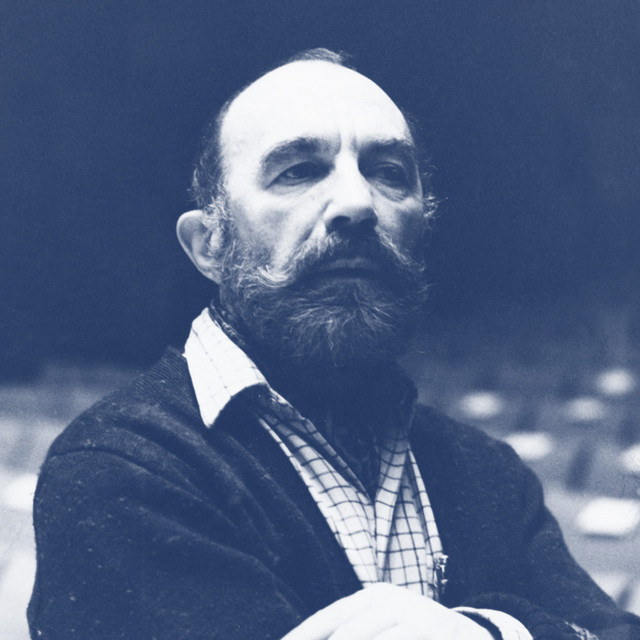

Tod Dockstader

Marina Rosenfeld


Langham Research Centre

Hildegard Westerkamp

Akio Suzuki

Valerio Tricoli
Lionel Marchetti

Claudio Rocchetti
Carl Michael Von Hausswolff
Robin Rimbaud
Christina Kubisch



Jérôme Noetinger