Artist
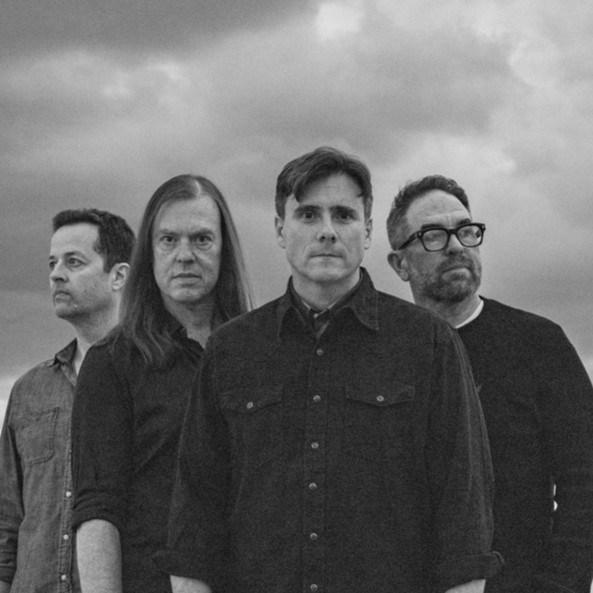
Death Cab for Cutie
Data may be outdated
Last updated: 2 weeks ago — Click refresh to get the latest statistics.
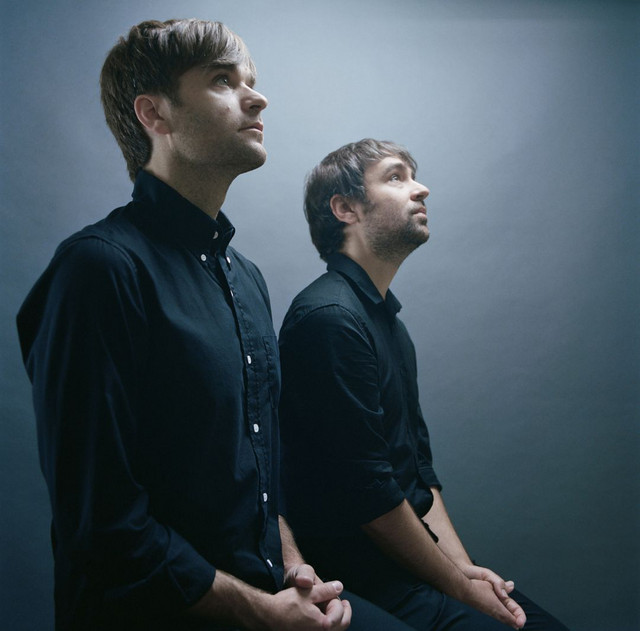
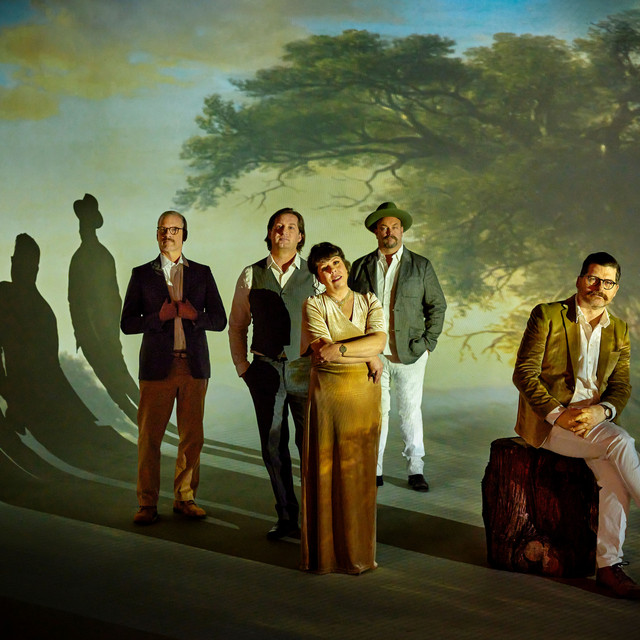
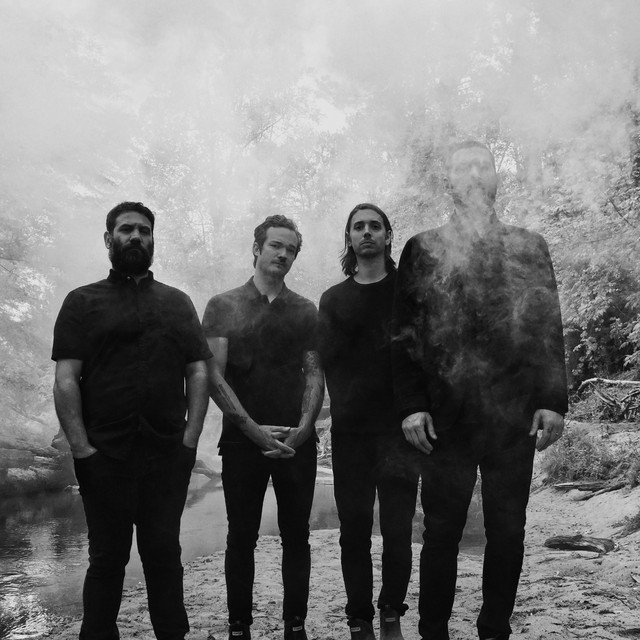
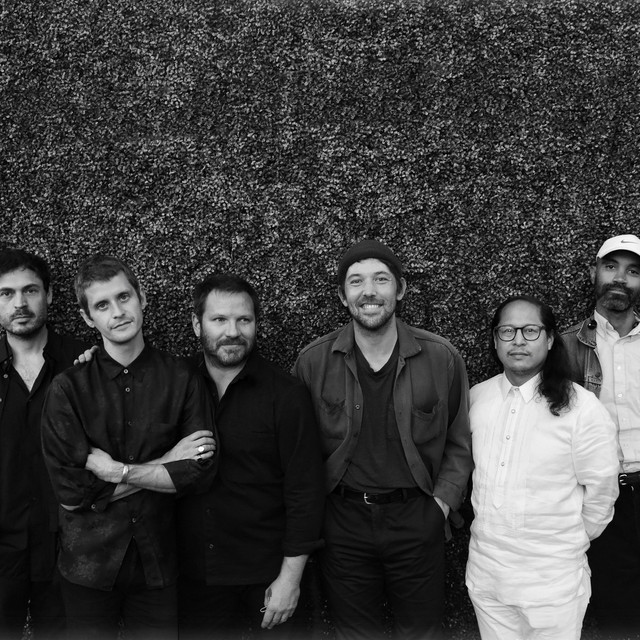
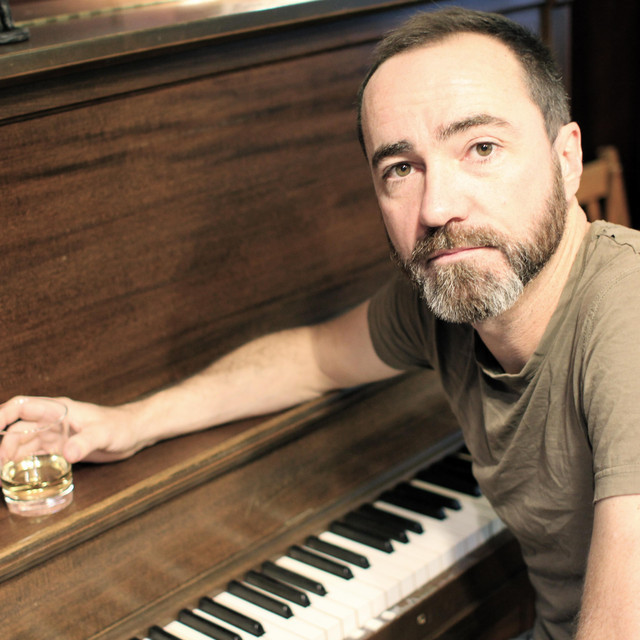
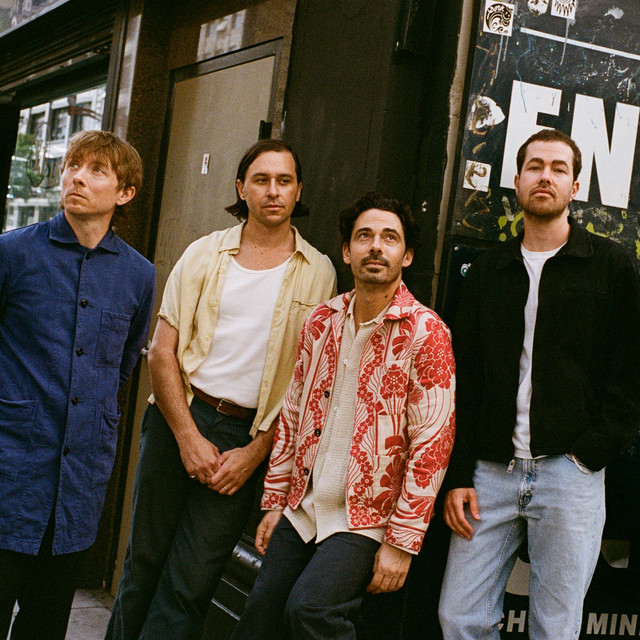
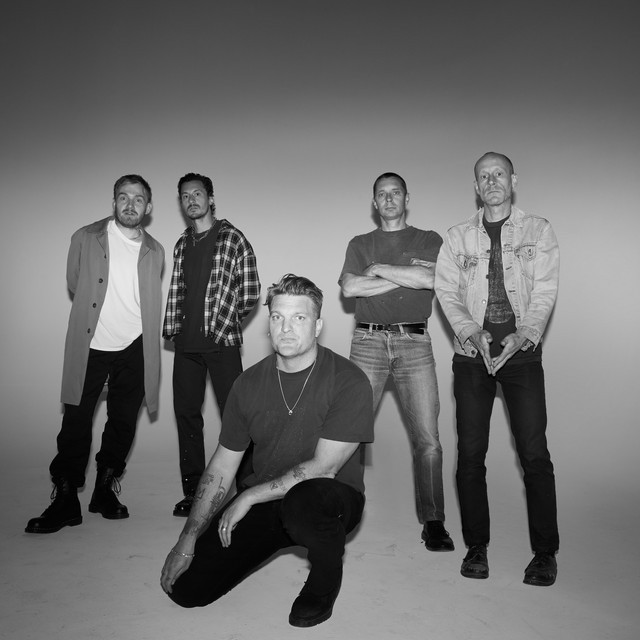
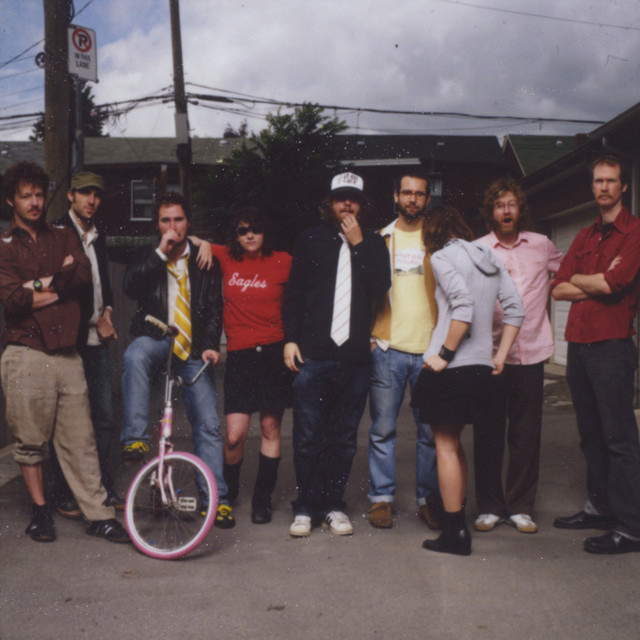
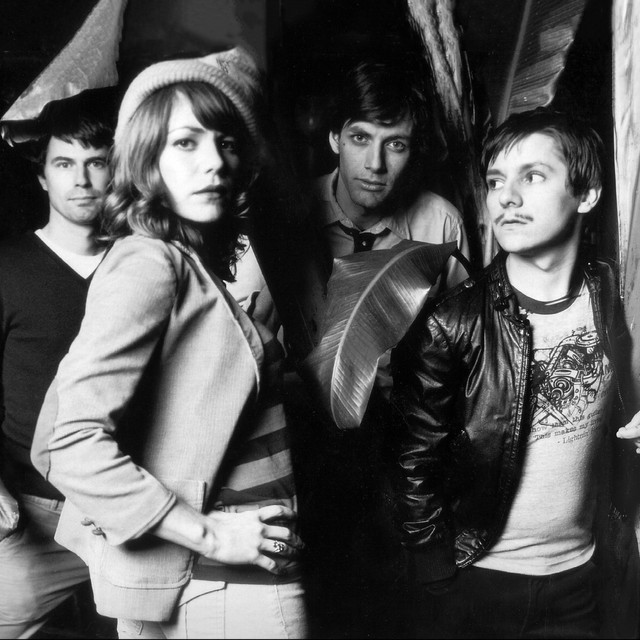
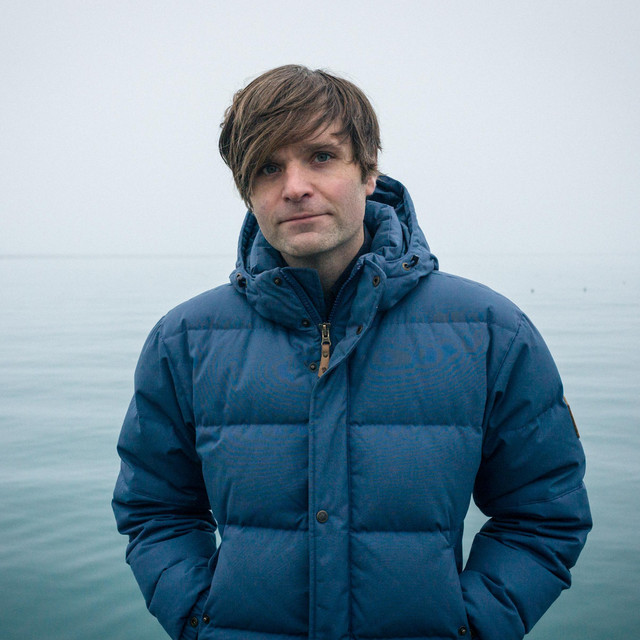
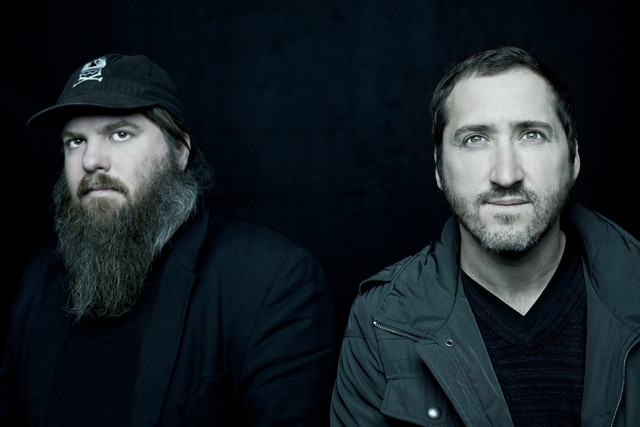
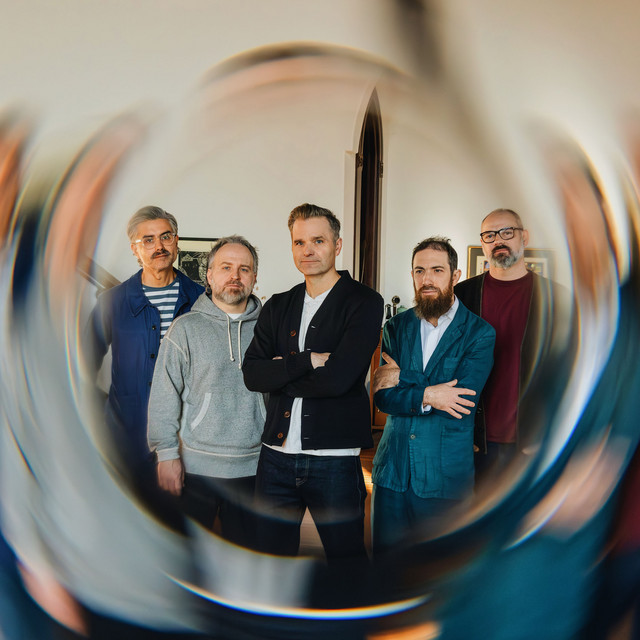
Formed in 1997 in Bellingham, Washington, Death Cab for Cutie were initially the quintessential underdog college-radio act, anchored by co-founder, frontman, and lead songwriter Ben Gibbard’s achingly earnest, erudite (yet still accessible) lyricism that drew inspiration from ‘80s alternative tastemakers The Smiths, The Cure, second-wave emo progenitors Sunny Day Real Estate, lo-fi acoustic hero Elliott Smith, Northwest contemporaries Modest Mouse, and introspective rock heads Built To Spill.
Still, given the overwhelming cultural significance of the 2000s indie-rock scene, Gibbard (and his legions of young fans) had no reason to expect that DCfC, despite their instant-classic, magnetic, pop-curious melodies, would transcend this particular moment in time, one marked by a groundswell of mainstream interest in the once-tiny indie-rock subculture.
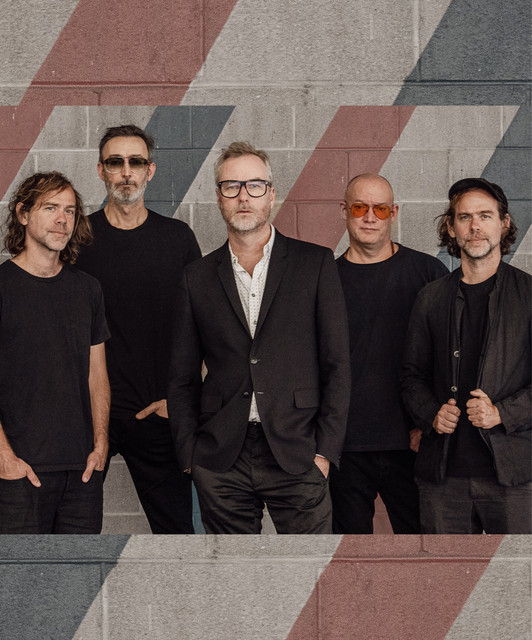
Nearly three decades after Gibbard recorded his bare-bones debut cassette, You Can Play These Songs With Chords, and completed the DCfC lineup comprising original guitarist and producer Chris Walla (later replaced by Dave Depper on guitar and Zac Rae on keyboards), bassist Nick Harmer, and drummer Jason McGerr, DCfC have grown from underground indie contenders to pillars of the modern alternative-rock landscape.
Monthly Listeners
3.4 million
Monthly Listeners History
Track the evolution of monthly listeners over the last 28 days.
Followers
1.7 million
Followers History
Track the evolution of followers over the last 28 days.
Total Streams
2.1 billion
Total Streams History
Track the evolution of total streams over the last 28 days. This data is calculated from all tracks listed in the artist's discography.
Top Cities
Related Artists