Genre
alternative rock
Top Alternative rock Artists
Showing 25 of 366 artists



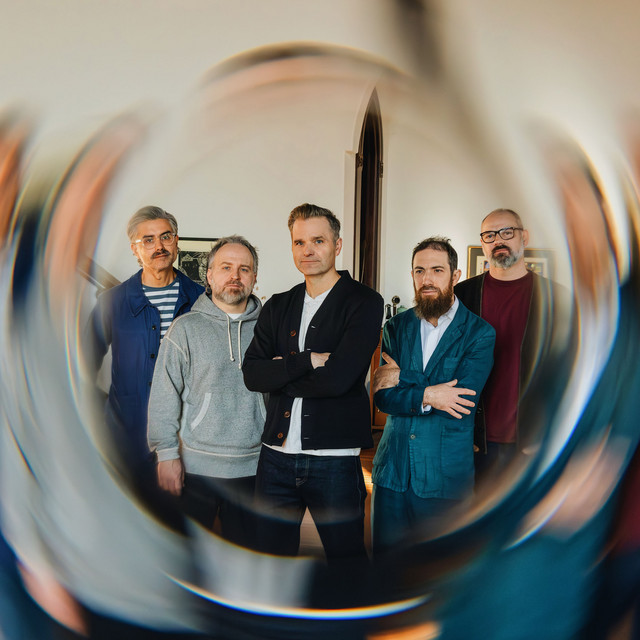
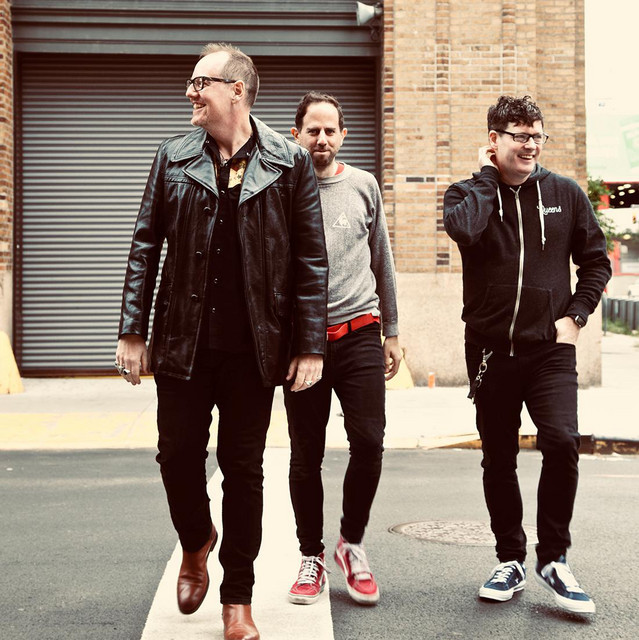

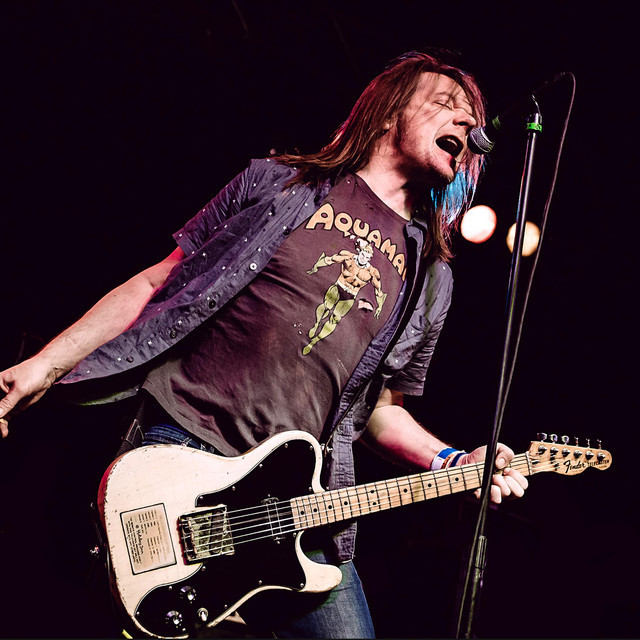
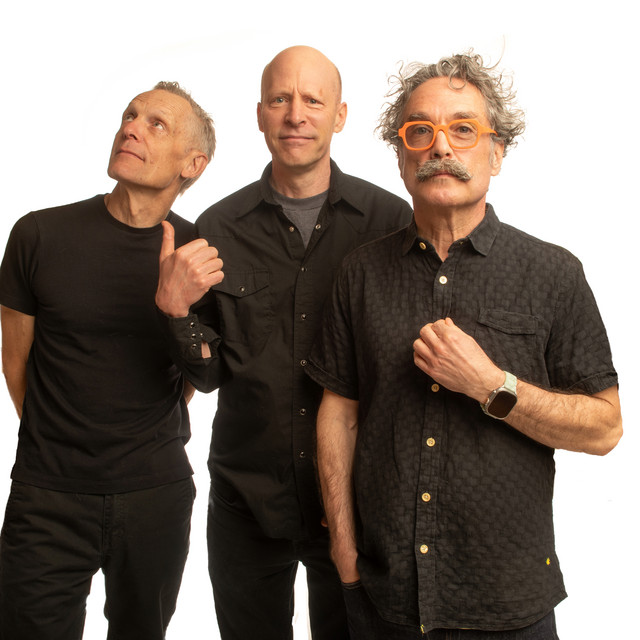
About Alternative rock
Alternative rock is a broad, evolving umbrella for rock music that grew out of 1980s indie scenes in the United States and United Kingdom, distinguishing itself from the era’s conventional arena rock and pop-oriented sounds. It arose from a DIY mentality: college radio, independent labels, small clubs, and a willingness to experiment beyond a single, easily marketable template. The term “alternative” was used to describe artists who didn’t fit neatly into mainstream rock categories, whether because of quirky aesthetics, unconventional production, or a blend of disparate influences. Early markers included jangly guitar pop, post-punk abrasiveness, and a quiet-to-loud dynamic that could be both intimate and eruptive.
The 1980s laid the groundwork: bands like R.E.M. in the United States, the Pixies, and Sonic Youth in the U.S. and U.K. artists such as The Smiths and The Cure helped shape a scene that valued atmosphere, ambiguity, and lyrical nuance as much as riffs. By the early 1990s, alternative rock confronted a broader audience as major-label interest grew and college radio’s reach expanded. Then came the grunge explosion from Seattle—Nirvana’s Nevermind (1991) becoming an emblematic breakthrough—followed by Pearl Jam, Soundgarden, and others who carried the banner of alt rock into the mainstream. Yet even as it gained commercial visibility, the core impulse remained anti-establishment: music that could be abrasive, melodic, experimental, or understated, often at once.
Radiohead’s ascent in the mid-to-late 1990s epitomized the genre’s flexibility. OK Computer (1997) fused electronic textures, intricate arrangements, and social introspection in a way that redefined what “rock” could sound like on a global scale. Beck’s eclectic mix—folk, hip-hop, electronic textures—further broadened the field, while Weezer and The Smashing Pumpkins offered guitar-forward anthems that balanced popcraft with alternative edge. The UK’s Britpop moment—though sometimes categorized separately—also leveraged alt-rock’s energy to reach a wider audience, reinforcing the idea that the genre thrives on cross-pollination and reinvention.
Ambassadors of alternative rock often blend breadth with impact. Nirvana remains the archetype of a scene-changing breakthrough, while Radiohead stands as a touchstone for artistic risk-taking within rock. R.E.M. helped establish a more durable, enduring alternative presence in the United States, and Sonic Youth pushed guitar language into new textures. Pixies, though not as commercially dominant, are frequently cited as crucial architects of the sound and dynamics that many later alt acts borrowed from. Over the decades, the umbrella has split into subgenres—indie rock, post-rock, noise rock, and more—yet the throughline remains: a commitment to authenticity, experimentation, and a resistance to formula.
Geographically, alternative rock found its strongest footing in the United States and the United Kingdom, with expansive scenes across Western Europe, Canada, and Australia. Japan and parts of Asia cultivated devoted indie communities as well, while Latin America developed vibrant ecosystems of independent bands and venues. For enthusiasts, the genre is less a fixed recipe than a living map—an ongoing dialogue between intensity and restraint, boundary-pushing sound, and song-oriented craft.
The 1980s laid the groundwork: bands like R.E.M. in the United States, the Pixies, and Sonic Youth in the U.S. and U.K. artists such as The Smiths and The Cure helped shape a scene that valued atmosphere, ambiguity, and lyrical nuance as much as riffs. By the early 1990s, alternative rock confronted a broader audience as major-label interest grew and college radio’s reach expanded. Then came the grunge explosion from Seattle—Nirvana’s Nevermind (1991) becoming an emblematic breakthrough—followed by Pearl Jam, Soundgarden, and others who carried the banner of alt rock into the mainstream. Yet even as it gained commercial visibility, the core impulse remained anti-establishment: music that could be abrasive, melodic, experimental, or understated, often at once.
Radiohead’s ascent in the mid-to-late 1990s epitomized the genre’s flexibility. OK Computer (1997) fused electronic textures, intricate arrangements, and social introspection in a way that redefined what “rock” could sound like on a global scale. Beck’s eclectic mix—folk, hip-hop, electronic textures—further broadened the field, while Weezer and The Smashing Pumpkins offered guitar-forward anthems that balanced popcraft with alternative edge. The UK’s Britpop moment—though sometimes categorized separately—also leveraged alt-rock’s energy to reach a wider audience, reinforcing the idea that the genre thrives on cross-pollination and reinvention.
Ambassadors of alternative rock often blend breadth with impact. Nirvana remains the archetype of a scene-changing breakthrough, while Radiohead stands as a touchstone for artistic risk-taking within rock. R.E.M. helped establish a more durable, enduring alternative presence in the United States, and Sonic Youth pushed guitar language into new textures. Pixies, though not as commercially dominant, are frequently cited as crucial architects of the sound and dynamics that many later alt acts borrowed from. Over the decades, the umbrella has split into subgenres—indie rock, post-rock, noise rock, and more—yet the throughline remains: a commitment to authenticity, experimentation, and a resistance to formula.
Geographically, alternative rock found its strongest footing in the United States and the United Kingdom, with expansive scenes across Western Europe, Canada, and Australia. Japan and parts of Asia cultivated devoted indie communities as well, while Latin America developed vibrant ecosystems of independent bands and venues. For enthusiasts, the genre is less a fixed recipe than a living map—an ongoing dialogue between intensity and restraint, boundary-pushing sound, and song-oriented craft.