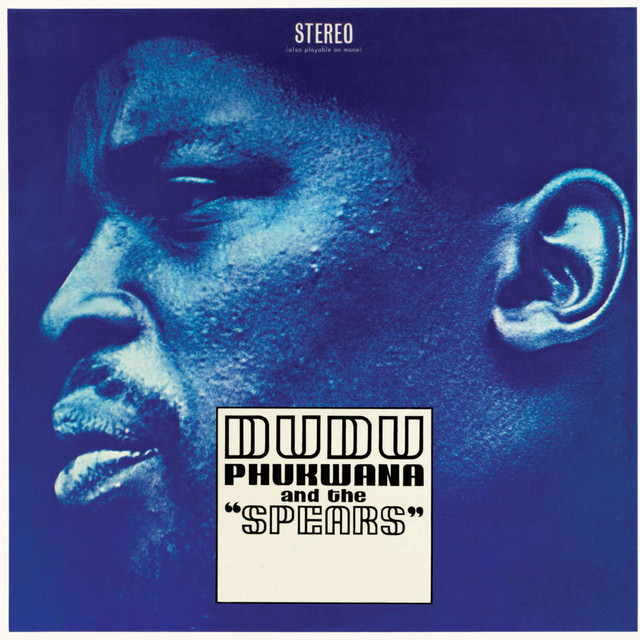
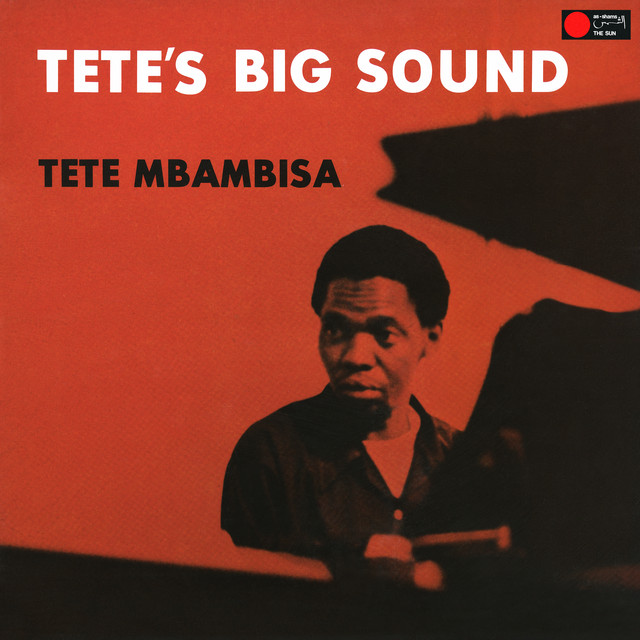
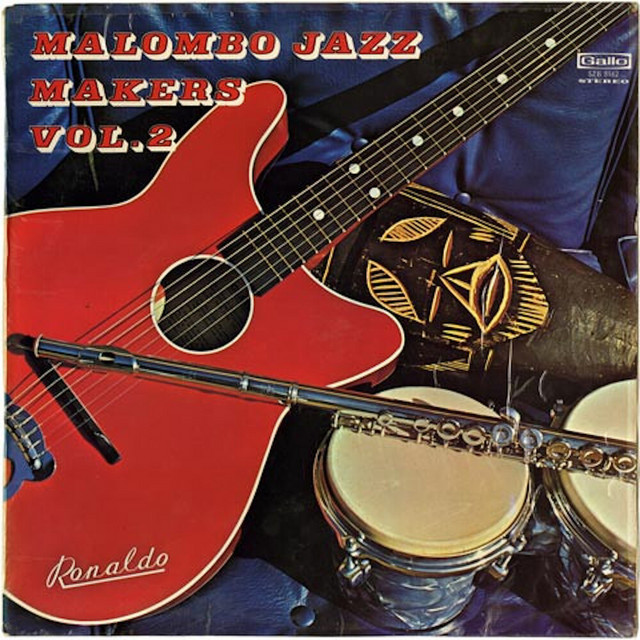
Dudu Pukwana grew up studying piano in his family but in 1956, he switched to alto sax after meeting tenor sax player Nick Moyake. In 1962, he won first prize at the Johannesburg Jazz Festival with Moyake's Jazz Giants (1962 Gallo/Teal). <a href="spotify:artist:6pnGLS7ORH3pAL3hkreAkR">Chris McGregor</a> then invited him to join <a href="spotify:artist:2c2rkRnDFvvY9QC23nHC3s">the Blue Notes</a>; the interracial sextet, increasingly harassed by authorities, went into exile in 1964, playing in France, Zurich, and London. Pukwana's fiery voice was heard not only in <a href="spotify:artist:2c2rkRnDFvvY9QC23nHC3s">the Blue Notes</a> and in <a href="spotify:artist:6pnGLS7ORH3pAL3hkreAkR">McGregor</a>'s Brotherhood of Breath, but in many diverse settings ranging from <a href="spotify:artist:0tQzBYPjAardhWpGkqVdNW">the Incredible String Band</a> to improvising with <a href="spotify:artist:7F2OJrkULYIuVb00V72pXT">Misha Mengelberg</a> and <a href="spotify:artist:0tmLlnSIrAb8NZajutucCC">Han Bennink</a> (Yi Yo Le, ICP 1978). As a composer, Pukwana wrote "Mra," one of the best-loved tunes by the Brotherhood. His own groups, <a href="spotify:artist:4FEwj4yy2gs0sq4K2FmtJM">Assagai</a> and Spear, which recorded a few albums in the early '70s, blended kwela rhythms, rocking guitars, and jazz solos. With Mongezi Feza, <a href="spotify:artist:3dD1OIzYQZUCFZlmEDqxMY">Elton Dean</a>, <a href="spotify:artist:1cIhvCJakpOSg9nL8ftEVl">Keith Tippett</a>, and <a href="spotify:artist:0YOcIbXUKMwxLXVJ1DlJbH">Louis Moholo</a>, Pukwana recorded two masterful acoustic tracks on the mostly electric album Diamond Express (Freedom 1977). His presence was also hugely felt in <a href="spotify:artist:0YOcIbXUKMwxLXVJ1DlJbH">Moholo</a>'s Spirits Rejoice!, and in Harry Miller's Isipingo. Several African leaders invited him into their groups, including <a href="spotify:artist:1b3F5FI7TX4IWTNA4P1kWp">Hugh Masekela</a> and trombonist <a href="spotify:artist:06MLS0Q4wTPvPYy0NdB3iS">Jonas Gwangwa</a>'s African Explosion (Who, Ngubani 1969). In 1978, Pukwana founded Jika Records and formed his own band, Zila, featuring South Africans Lucky Ranku on guitar and powerful vocalist Miss Pinise Saul. Zila recorded Zila Sounds (1981), Live in Bracknell and Willisau (1983), and Zila (1986), the last with keyboardist <a href="spotify:artist:0aPobuZcU7C6OgpGU0R5V8">Django Bates</a> and Pukwana increasingly using soprano sax. In duo with John Stevens, he recorded the free session They Shoot to Kill (Affinity 1987), dedicated to <a href="spotify:artist:5aAplFNZE4KHKvdmo7xbNw">Johnny Dyani</a>. Dudu Pukwana died of liver failure in June 1990. ~ Francesco Martinelli, Rovi