Data may be outdated
Last updated: 9 months ago — Click refresh to get the latest statistics.
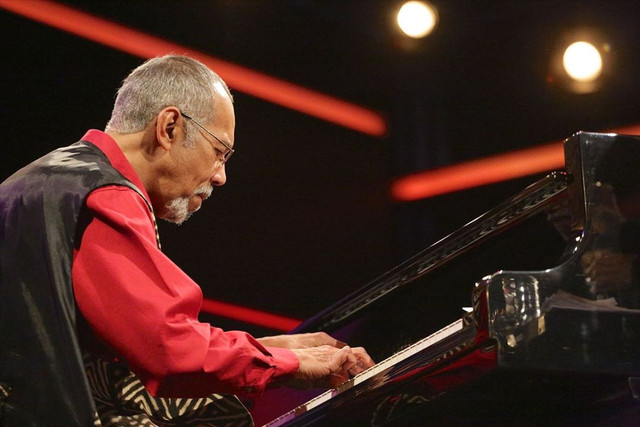
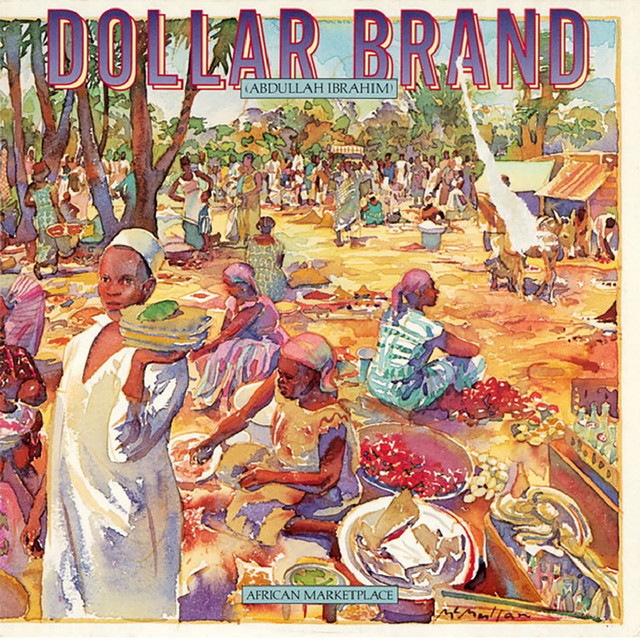
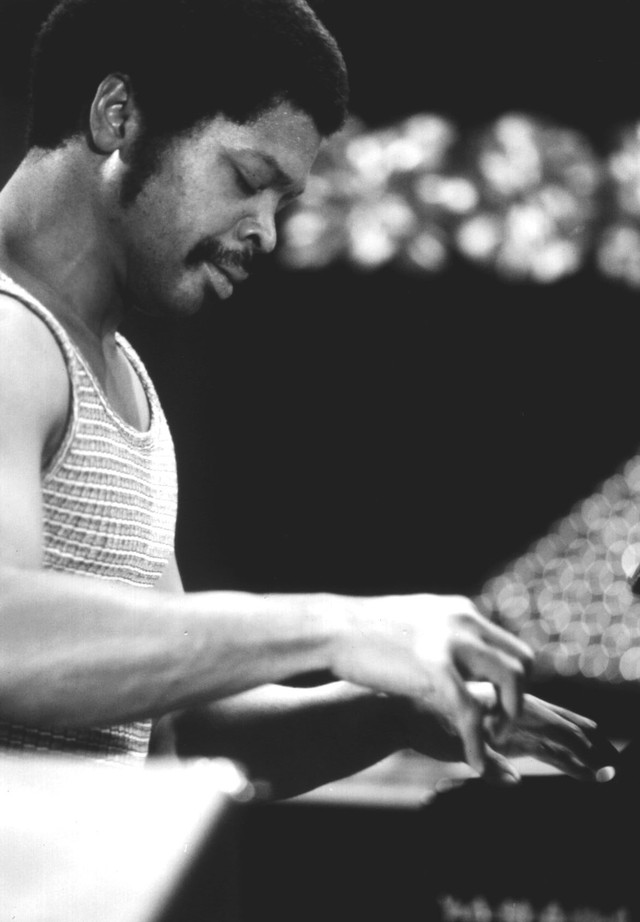
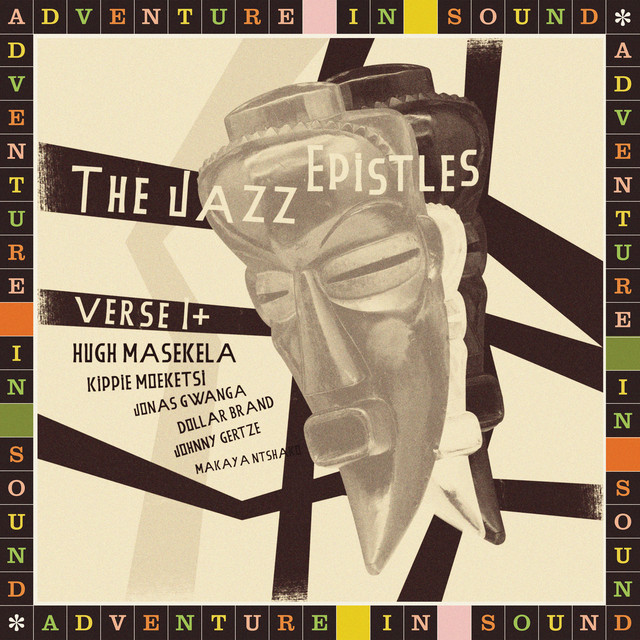
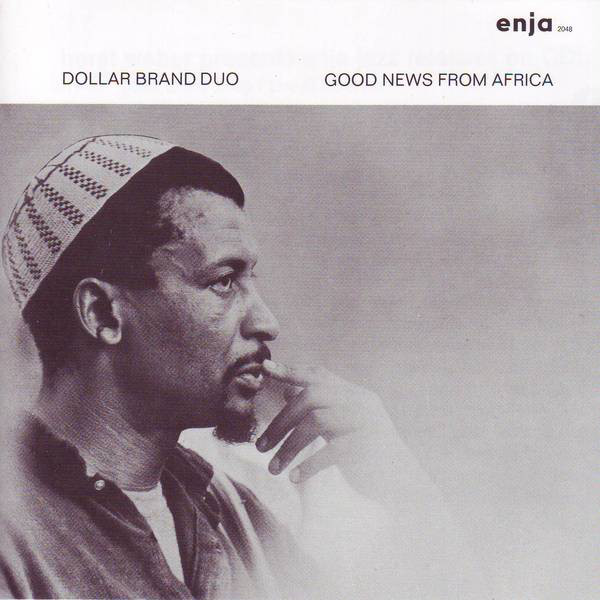
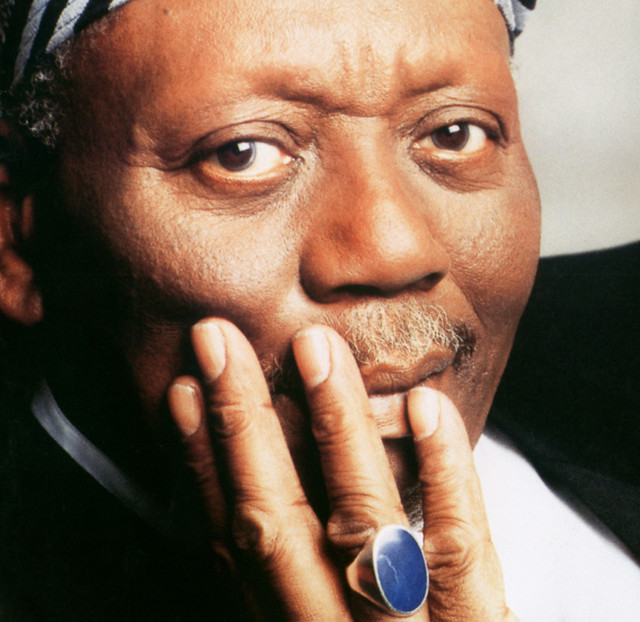
The melodic sounds of South Africa are fused with the improvisation of jazz and the technical proficiency of classical music by South Africa-born pianist Dollar Brand or, as he's called himself since converting to Islam in 1968, <a href="spotify:artist:39mb0I6tdTcCXkeigvzxOJ">Abdullah Ibrahim</a>. Since attracting international acclaim as a member of <a href="spotify:artist:1IYgF18EhPCxlQPKxpZG9b">the Jazz Epistles</a>, one of South Africa's first jazz bands, he has continued to explore new ground with his imaginative playing. Exposed to a variety of music as a youngster, including traditional African music, religious songs, and jazz, Brand began studying piano at the age of seven. Becoming a professional musician in 1949, he performed with such South African groups as the Tuxedo Slickers and the Willie Max Big Band. Ten years later, he joined <a href="spotify:artist:1IYgF18EhPCxlQPKxpZG9b">the Jazz Epistles</a>, a group featuring trumpet player <a href="spotify:artist:1b3F5FI7TX4IWTNA4P1kWp">Hugh Masekela</a> and alto saxophonist Kippi Moeketsi. The band, which had been formed in 1959 by American pianist <a href="spotify:artist:6JtBgfYXA4ZbOSTGRYhyhK">John Mehegan</a> for a recording session, Jazz in Africa, had recorded the first jazz album by South African musicians.
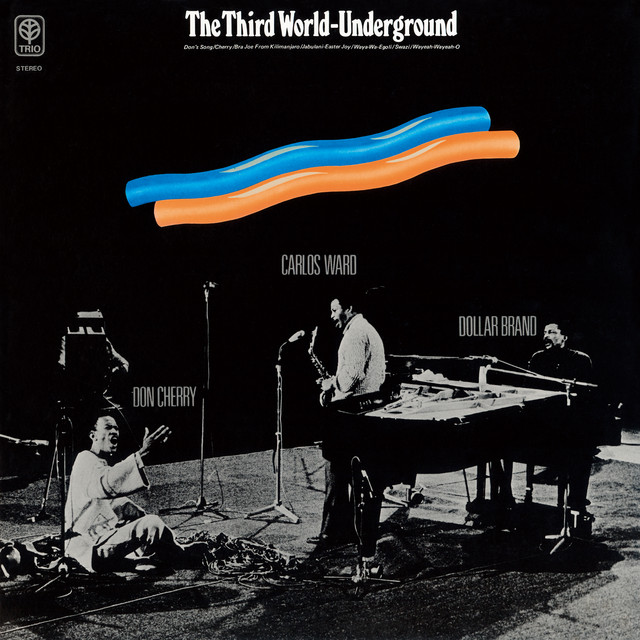
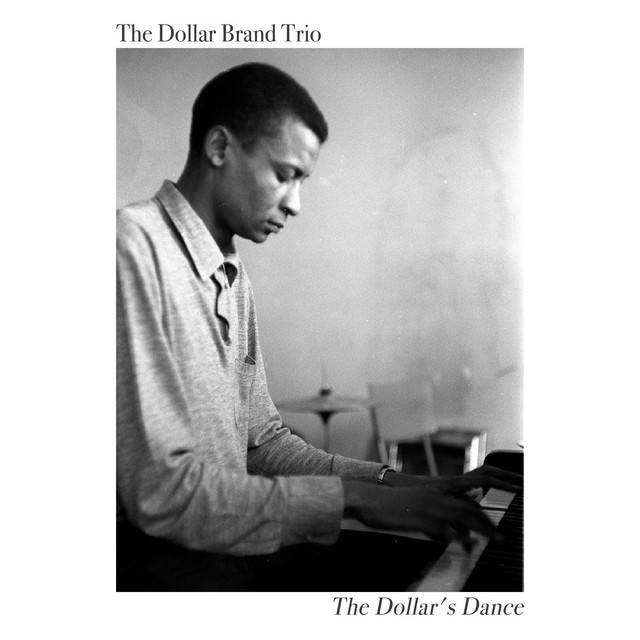
In 1962, Brand left South Africa with vocalist <a href="spotify:artist:3jy6oW7QNRoAONQc4ZIPGE">Sathima Bea Benjamin</a>; the two were married in 1965, and temporarily settled in Zurich. Performing with his trio, which featured bassist Johnny Gertze and drummer <a href="spotify:artist:6V2dbEAJSqigvo8yY4wPIW">Makaya Ntshoko</a>, Brand was heard by <a href="spotify:artist:4F7Q5NV6h5TSwCainz8S5A">Duke Ellington</a> at the Africana Club. <a href="spotify:artist:4F7Q5NV6h5TSwCainz8S5A">Ellington</a> was so impressed that he arranged a recording session for Brand and the trio. The resulting album, Duke Ellington Presents the Dollar Brand Trio, was released on the <a href="spotify:search:label%3A%22Reprise%22">Reprise</a> label in 1963. He continued to be supported by <a href="spotify:artist:4F7Q5NV6h5TSwCainz8S5A">Ellington</a> following the album's release. In addition to being booked to play (at <a href="spotify:artist:4F7Q5NV6h5TSwCainz8S5A">Ellington</a>'s urging) at the Newport Jazz Festival in 1965, Brand served as <a href="spotify:artist:4F7Q5NV6h5TSwCainz8S5A">Ellington</a>'s substitute and performed five shows with the Ellington Orchestra the following year. Shortly afterwards, he disbanded the trio and accepted an invitation to join <a href="spotify:artist:4dUMhhUjQ2YcNTvab29hYF">Elvin Jones</a>' quartet. The collaboration with <a href="spotify:artist:4dUMhhUjQ2YcNTvab29hYF">Jones</a> lasted six months. After leaving the <a href="spotify:artist:4dUMhhUjQ2YcNTvab29hYF">Jones</a> quartet, he continued to be involved with a variety of projects. Besides touring as a soloist in 1968, he worked with bands led by <a href="spotify:artist:3uPWecBPNXAChysw1uOJwI">Don Cherry</a> and <a href="spotify:artist:7dXBi98p0mN5JCpBnU0XEm">Gato Barbieri</a>. Briefly returning to South Africa in 1976, the now <a href="spotify:artist:39mb0I6tdTcCXkeigvzxOJ">Abdullah Ibrahim</a> settled in New York the same year. Although he returned to South Africa to live in 1990, he continued to divide his time between his birthplace and his adopted home in New York.
In 1997, <a href="spotify:artist:39mb0I6tdTcCXkeigvzxOJ">Ibrahim</a> collaborated on an album and tour with jazz drummer <a href="spotify:artist:6jrlNnS5B830kpi40j3S6g">Max Roach</a>. The following year, Swiss composer <a href="spotify:artist:4NArKmKuss3cXuAkuFbY7x">Daniel Schnyder</a> arranged several of his compositions for a 22-piece orchestra for a Swiss television production, and for a world tour undertaken by the full-sized <a href="spotify:artist:5jSyEHI4tPkBgp84luyqpO">Munich Radio Philharmonic Orchestra</a>, conducted by Barbara Yahr of the United States. <a href="spotify:artist:39mb0I6tdTcCXkeigvzxOJ">Ibrahim</a> continued to perform and record for the remainder of the 1990s and throughout the 2000s, releasing such notable albums as African Suite (1999, <a href="spotify:search:label%3A%22Enja%22">Enja</a>), Cape Town Revisited (2000, <a href="spotify:search:label%3A%22Enja%22">Enja</a>; recorded in 1997), Ekapa Lodumo (2001, <a href="spotify:search:label%3A%22Enja%22">Enja</a>/<a href="spotify:search:label%3A%22Tiptoe%22">Tiptoe</a>), African Magic (2003, <a href="spotify:search:label%3A%22Enja%22">Enja</a>/Justin Time), Senzo (2008, Sunnyside), and Bombella (2009, <a href="spotify:search:label%3A%22Intuition%22">Intuition</a>). <a href="spotify:artist:39mb0I6tdTcCXkeigvzxOJ">Ibrahim</a> has also composed the scores for such films as Chocolat and No Fear No Die. ~ Craig Harris, Rovi
In 1962, Brand left South Africa with vocalist <a href="spotify:artist:3jy6oW7QNRoAONQc4ZIPGE">Sathima Bea Benjamin</a>; the two were married in 1965, and temporarily settled in Zurich. Performing with his trio, which featured bassist Johnny Gertze and drummer <a href="spotify:artist:6V2dbEAJSqigvo8yY4wPIW">Makaya Ntshoko</a>, Brand was heard by <a href="spotify:artist:4F7Q5NV6h5TSwCainz8S5A">Duke Ellington</a> at the Africana Club. <a href="spotify:artist:4F7Q5NV6h5TSwCainz8S5A">Ellington</a> was so impressed that he arranged a recording session for Brand and the trio. The resulting album, Duke Ellington Presents the Dollar Brand Trio, was released on the <a href="spotify:search:label%3A%22Reprise%22">Reprise</a> label in 1963. He continued to be supported by <a href="spotify:artist:4F7Q5NV6h5TSwCainz8S5A">Ellington</a> following the album's release. In addition to being booked to play (at <a href="spotify:artist:4F7Q5NV6h5TSwCainz8S5A">Ellington</a>'s urging) at the Newport Jazz Festival in 1965, Brand served as <a href="spotify:artist:4F7Q5NV6h5TSwCainz8S5A">Ellington</a>'s substitute and performed five shows with the Ellington Orchestra the following year. Shortly afterwards, he disbanded the trio and accepted an invitation to join <a href="spotify:artist:4dUMhhUjQ2YcNTvab29hYF">Elvin Jones</a>' quartet. The collaboration with <a href="spotify:artist:4dUMhhUjQ2YcNTvab29hYF">Jones</a> lasted six months. After leaving the <a href="spotify:artist:4dUMhhUjQ2YcNTvab29hYF">Jones</a> quartet, he continued to be involved with a variety of projects. Besides touring as a soloist in 1968, he worked with bands led by <a href="spotify:artist:3uPWecBPNXAChysw1uOJwI">Don Cherry</a> and <a href="spotify:artist:7dXBi98p0mN5JCpBnU0XEm">Gato Barbieri</a>. Briefly returning to South Africa in 1976, the now <a href="spotify:artist:39mb0I6tdTcCXkeigvzxOJ">Abdullah Ibrahim</a> settled in New York the same year. Although he returned to South Africa to live in 1990, he continued to divide his time between his birthplace and his adopted home in New York.
In 1997, <a href="spotify:artist:39mb0I6tdTcCXkeigvzxOJ">Ibrahim</a> collaborated on an album and tour with jazz drummer <a href="spotify:artist:6jrlNnS5B830kpi40j3S6g">Max Roach</a>. The following year, Swiss composer <a href="spotify:artist:4NArKmKuss3cXuAkuFbY7x">Daniel Schnyder</a> arranged several of his compositions for a 22-piece orchestra for a Swiss television production, and for a world tour undertaken by the full-sized <a href="spotify:artist:5jSyEHI4tPkBgp84luyqpO">Munich Radio Philharmonic Orchestra</a>, conducted by Barbara Yahr of the United States. <a href="spotify:artist:39mb0I6tdTcCXkeigvzxOJ">Ibrahim</a> continued to perform and record for the remainder of the 1990s and throughout the 2000s, releasing such notable albums as African Suite (1999, <a href="spotify:search:label%3A%22Enja%22">Enja</a>), Cape Town Revisited (2000, <a href="spotify:search:label%3A%22Enja%22">Enja</a>; recorded in 1997), Ekapa Lodumo (2001, <a href="spotify:search:label%3A%22Enja%22">Enja</a>/<a href="spotify:search:label%3A%22Tiptoe%22">Tiptoe</a>), African Magic (2003, <a href="spotify:search:label%3A%22Enja%22">Enja</a>/Justin Time), Senzo (2008, Sunnyside), and Bombella (2009, <a href="spotify:search:label%3A%22Intuition%22">Intuition</a>). <a href="spotify:artist:39mb0I6tdTcCXkeigvzxOJ">Ibrahim</a> has also composed the scores for such films as Chocolat and No Fear No Die. ~ Craig Harris, Rovi
Monthly Listeners
4,801
Monthly Listeners History
Track the evolution of monthly listeners over the last 28 days.
Followers
8,609
Followers History
Track the evolution of followers over the last 28 days.
Top Cities
233 listeners

135 listeners

129 listeners
124 listeners
79 listeners

Related Artists

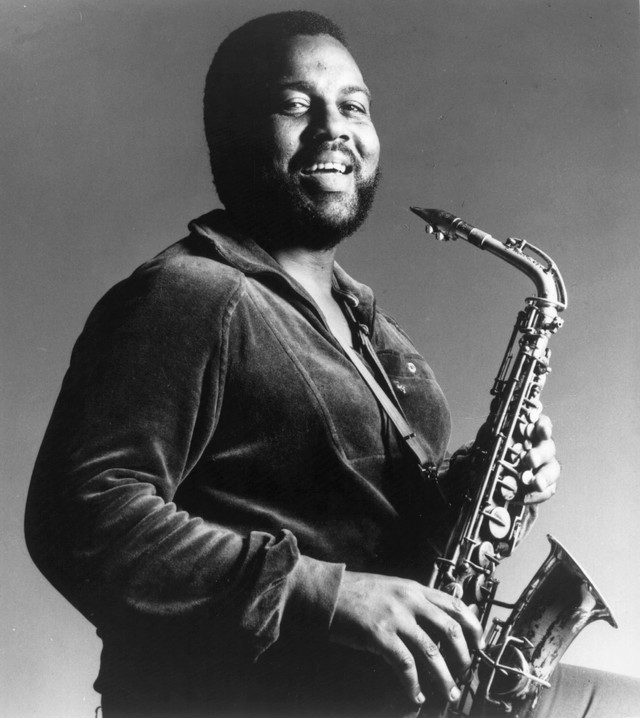
Arthur Blythe
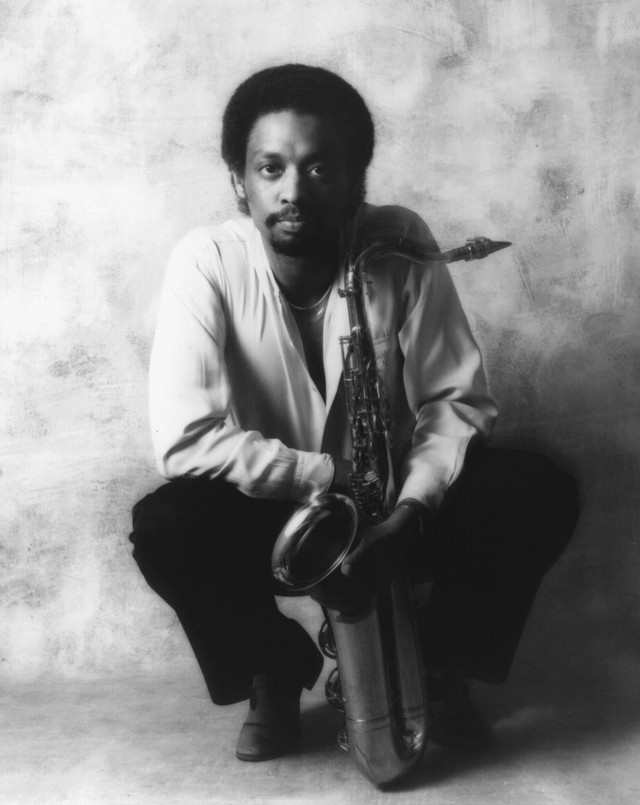
Chico Freeman
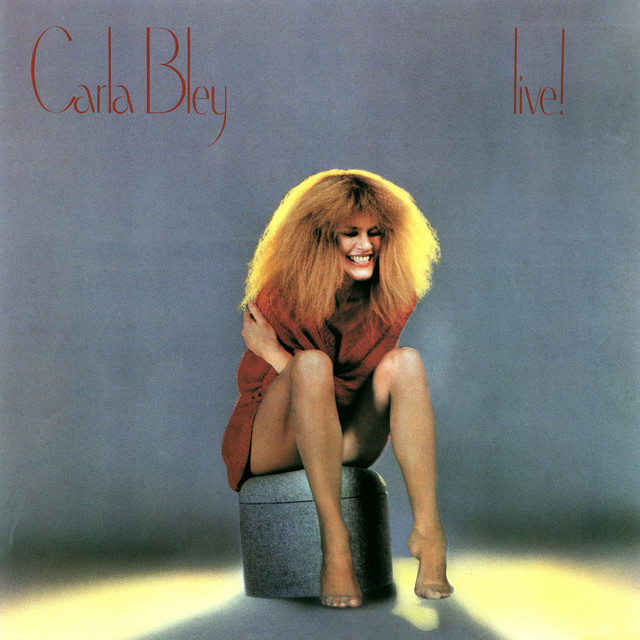
The Carla Bley Band

The Jazz Epistles

The Dollar Brand Trio

Jack Jeffers