Data may be outdated
Last updated: 9 months ago — Click refresh to get the latest statistics.
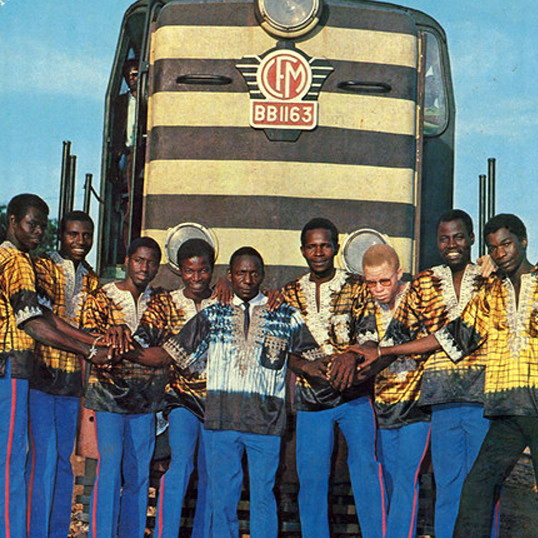
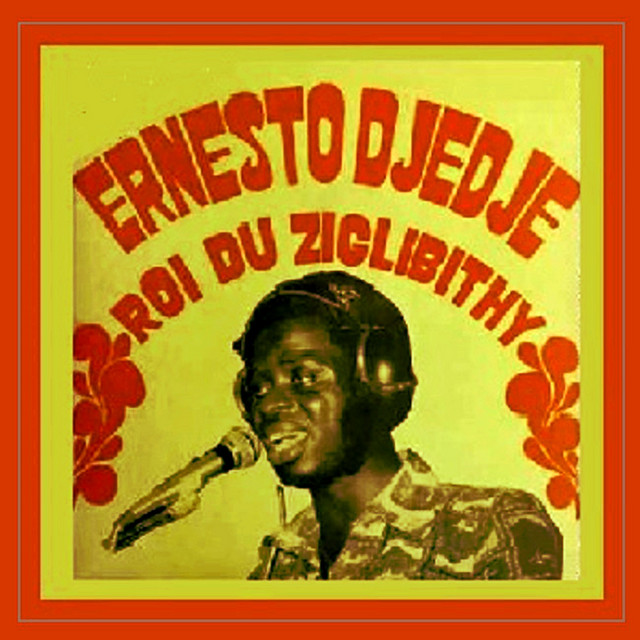
The Ivory Coast's premier musical export of the 1970s, Ernesto Djédjé is widely credited as the creator of his homeland's first truly distinctive national music, fusing international sounds and styles with the rhumba rhythms of the Congo to introduce what is now known as ziglibithy. Born in 1948 in Tahiraguhé, Djédjé began playing guitar at age 15 and was soon invited to join Amédée's Ivoiro Star, one of the most popular regional bands of its era. He was serving as its orchestra director by the time he left in 1967 to attend university in Paris. There he continued playing music on the side, and in time came to the attention of African saxophone legend <a href="spotify:artist:30UIjoCGuL3Fa5BOc3ayNW">Manu Dibango</a>, who would prove instrumental in the 1970 release of Djédjé's debut effort, Anoma. He returned to the Ivory Coast in 1972, assuming the reins of the San Pedro Orchestra; with his subsequent project, les Ziglibithiens -- a group named in honor of the Bété dance style popular in his native Tahiraguhé -- Djédjé achieved critical mass, adroitly weaving traditional regional music with elements of the western rock, soul, and blues he discovered abroad. In collaboration with producer Gbadamassi Raïmi, Djédjé recorded 1977's Ziglibithy and Ziboté, which launched him to superstar status across much of the African continent. In 1982, Ivory Coast president Houphouet Boigny even cited the singer for his contributions to national culture. But while at work on his ninth LP, Djédjé died suddenly at the age of just 36. Doctors blamed an undiagnosed ulcer, but his mother suspected witchcraft. ~ Jason Ankeny, Rovi
Monthly Listeners
14,909
Monthly Listeners History
Track the evolution of monthly listeners over the last 28 days.
Followers
8,487
Followers History
Track the evolution of followers over the last 28 days.
Top Cities
1,493 listeners

1,233 listeners

556 listeners
394 listeners

348 listeners
Related Artists




Grand Kallé

Grand Kallé & L'African Jazz


Jess Sah Bi



FRANCO