
Country
Cote D'Ivoire
Top Artists from Cote D'Ivoire
Showing 24 of 24 artists






About Cote D'Ivoire
Côte d’Ivoire, or Ivory Coast, sits on the Atlantic edge of West Africa, a country where rhythm threads through daily life. With a population of roughly 32 million people, it is a multilingual, culturally rich nation that blends traditional storytelling with vibrant urban soundscapes. Abidjan, the economic capital, is the beating heart of Ivorian music—a sprawling city of studios, clubs, and open-air stages where sounds collide and remix in public spaces.
The Ivorian music scene is a living archive of urban experimentation. Zouglou, born in the late 20th century in Abidjan’s neighborhoods, started as a social chorus—sharp with humor and soaked in communal resilience. It remains a defining thread in the country’s sound, influencing younger generations who fuse it with contemporary pop and dance elements. In the 2000s, coupé-décalé burst onto the scene with high-energy dance rhythms, flamboyant fashion, and a party-forward mindset. It popularized a new performance grammar—fast moves, stylish portraits, and showmanship—that spread quickly through clubs and street parties. Debordo Leekunfa and Serge Beynaud became among the most recognizable faces of this movement, while DJ Arafat’s electrifying shows left an indelible mark on Africa’s urban music map.
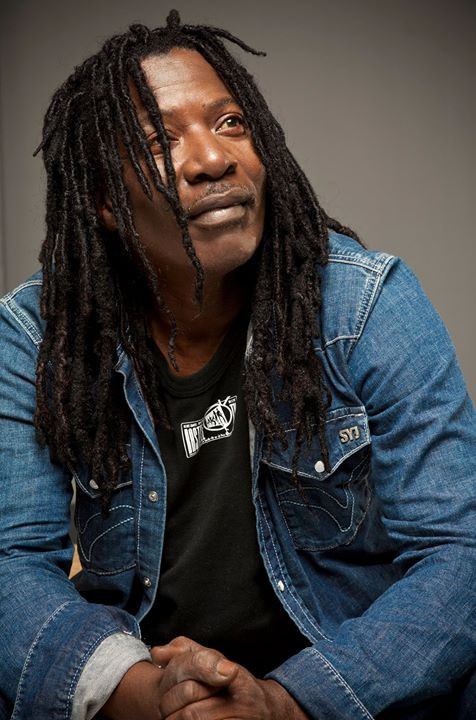
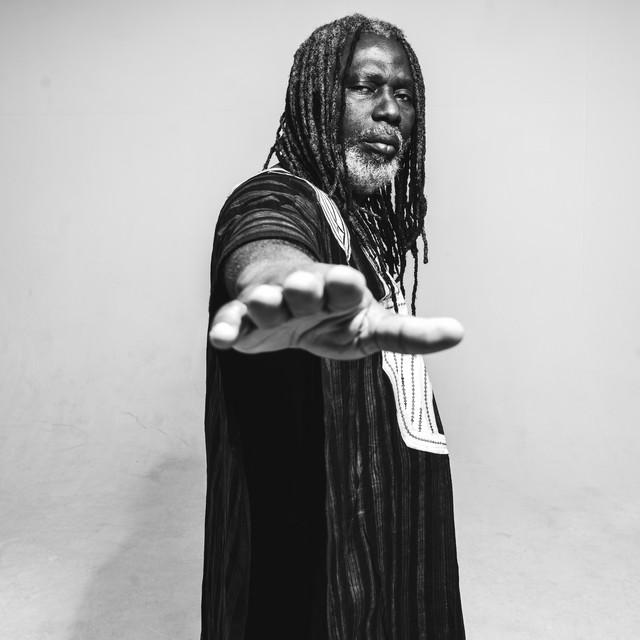
Ivory Coast has also produced reggae and world-music voices that traveled far beyond its borders. Alpha Blondy, one of Africa’s most enduring reggae icons, turned global attention to Ivorian music in the 1980s and 1990s with songs that spoke to justice, faith, and unity. Tiken Jah Fakoly followed with a reggae-influenced protest voice that crossed continents, connecting West African roots with pan-African concerns. Their work helped position the country as a credible hub for political and social commentary through music, a tradition carried forward by many emerging artists who blend roots, rhythm, and modern production.
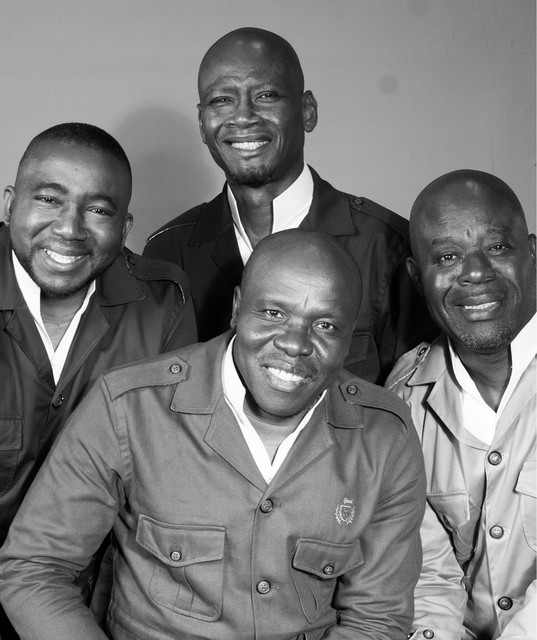
Global recognition reached new heights with Magic System, the Abidjan-based group whose catchy, upbeat fusion of zouglou, pop, and dance music sparked international hits like Premier Gaou. Their success opened doors for collaborations and showed that Ivorian music could traverse language and borders while staying rooted in the region’s danceable pulse. Today’s Ivorian artists continually collaborate across genres, blending Afrobeats, dancehall, contemporary R&B, and electronic textures to craft sounds that feel both local and globally appetizing.
There are several venues and events that crystallize Ivory Coast’s musical identity. The Festival des Musiques Urbaines d’Anoumabo (FEMUA) in Abidjan brings together local stars and international acts, turning the city into a shared stage for African urban music and cross-cultural exchange. Stadiums and arenas, such as the Stade Félix Houphouët-Boigny, host major international acts and national celebrations, while intimate concert halls and clubs in neighborhoods like Treichville and Cocody nurture the craft of performers, producers, and engineers who innovate behind the scenes. The Ivorian music scene thrives on a sense of community, collaboration, and celebration.
For music enthusiasts, Côte d’Ivoire offers a dynamic spectrum: infectious dance rhythms, socially conscious reggae, and a lineage of global hits born in a country where the party meets storytelling and where every beat carries a story from Abidjan to the world.
The Ivorian music scene is a living archive of urban experimentation. Zouglou, born in the late 20th century in Abidjan’s neighborhoods, started as a social chorus—sharp with humor and soaked in communal resilience. It remains a defining thread in the country’s sound, influencing younger generations who fuse it with contemporary pop and dance elements. In the 2000s, coupé-décalé burst onto the scene with high-energy dance rhythms, flamboyant fashion, and a party-forward mindset. It popularized a new performance grammar—fast moves, stylish portraits, and showmanship—that spread quickly through clubs and street parties. Debordo Leekunfa and Serge Beynaud became among the most recognizable faces of this movement, while DJ Arafat’s electrifying shows left an indelible mark on Africa’s urban music map.
Ivory Coast has also produced reggae and world-music voices that traveled far beyond its borders. Alpha Blondy, one of Africa’s most enduring reggae icons, turned global attention to Ivorian music in the 1980s and 1990s with songs that spoke to justice, faith, and unity. Tiken Jah Fakoly followed with a reggae-influenced protest voice that crossed continents, connecting West African roots with pan-African concerns. Their work helped position the country as a credible hub for political and social commentary through music, a tradition carried forward by many emerging artists who blend roots, rhythm, and modern production.
Global recognition reached new heights with Magic System, the Abidjan-based group whose catchy, upbeat fusion of zouglou, pop, and dance music sparked international hits like Premier Gaou. Their success opened doors for collaborations and showed that Ivorian music could traverse language and borders while staying rooted in the region’s danceable pulse. Today’s Ivorian artists continually collaborate across genres, blending Afrobeats, dancehall, contemporary R&B, and electronic textures to craft sounds that feel both local and globally appetizing.
There are several venues and events that crystallize Ivory Coast’s musical identity. The Festival des Musiques Urbaines d’Anoumabo (FEMUA) in Abidjan brings together local stars and international acts, turning the city into a shared stage for African urban music and cross-cultural exchange. Stadiums and arenas, such as the Stade Félix Houphouët-Boigny, host major international acts and national celebrations, while intimate concert halls and clubs in neighborhoods like Treichville and Cocody nurture the craft of performers, producers, and engineers who innovate behind the scenes. The Ivorian music scene thrives on a sense of community, collaboration, and celebration.
For music enthusiasts, Côte d’Ivoire offers a dynamic spectrum: infectious dance rhythms, socially conscious reggae, and a lineage of global hits born in a country where the party meets storytelling and where every beat carries a story from Abidjan to the world.