Data may be outdated
Last updated: 9 months ago — Click refresh to get the latest statistics.
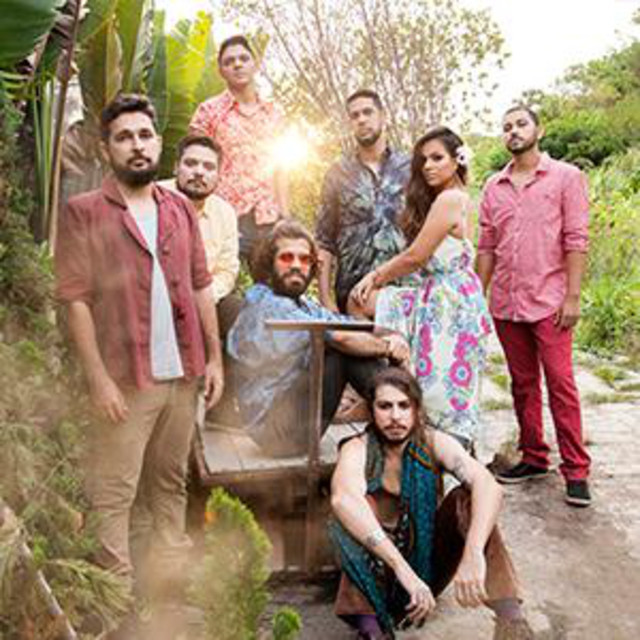
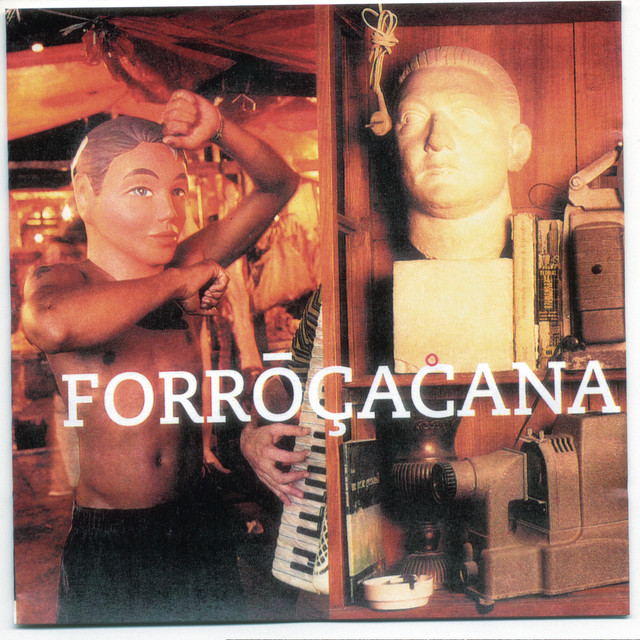
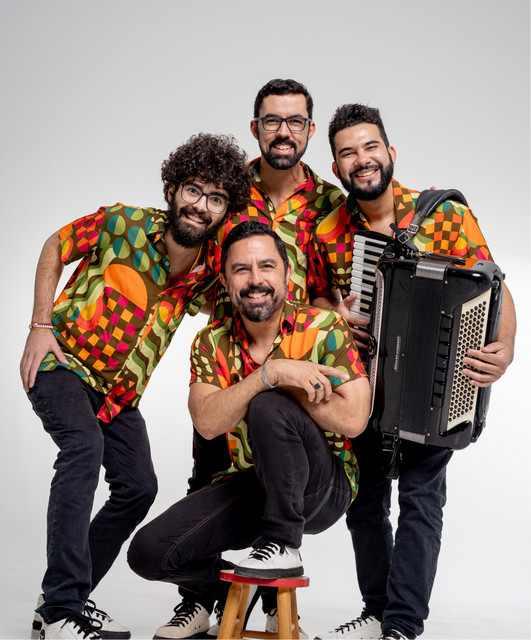
The Forróçacana appeared in May 1997, in Rio de Janeiro, within the local scene known as "university forró," as were called the groups from the '90s formed by middle-class members of the Southeastern states, in opposition to the rootsy forró groups of the Northeast composed of members of the working class. Melting the traditional forró pé-de-serra with diverse elements (choro, samba, rock, salsa, reggae, etc.), the group got started in the traditional format, doing five-hour balls with a repertory based in <a href="spotify:artist:2b9ikX6H2LQRvSRks5E8vo">Jackson do Pandeiro</a>'s tunes and other classics of the genre. The originals came later, urged by the desire of establishing an individual identity: "Forró Horizontal," "O Cabra," "Caraíva," "Telepatia no Salão," etc. Forming a considerable audience, they soon were opening for Jorge Benjor, <a href="spotify:artist:10naVTwNjE50daQVrN0bXh">Cássia Eller</a>, <a href="spotify:artist:7LunbFWIm3RPQpywjOSSd8">Zeca Baleiro</a>, <a href="spotify:artist:4YLBdrR3DVSMncm785NH6C">Lenine</a>, Alceu Valença, <a href="spotify:artist:1mCHLu4gizrN9PwHxKrJv4">Dominguinhos</a>, <a href="spotify:artist:1fCdub35SOEgPYVfSrYTI6">Xangai</a>, Pedro Luís e a Parede, Seu Jorge, Alceu Valença, <a href="spotify:artist:4ph6Bt1mkDlmf32PSvRa8A">Elba Ramalho</a>, <a href="spotify:artist:7oEkUINVIj1Nr3Wnj8tzqr">Gilberto Gil</a>, and other top artists. Their first individual CD, Vamo Que Vamo, had a hit with Jorge Benjor's "Menina Mulher da Pele Preta." <a href="spotify:artist:7LunbFWIm3RPQpywjOSSd8">Zeca Baleiro</a> wrote especially for the group "Forró do Malagueta." ~ Alvaro Neder
Monthly Listeners
74,103
Monthly Listeners History
Track the evolution of monthly listeners over the last 28 days.
Followers
38,989
Followers History
Track the evolution of followers over the last 28 days.
Top Cities
15,590 listeners
6,259 listeners
5,665 listeners
2,669 listeners
2,643 listeners
Related Artists
Trio Forrozão
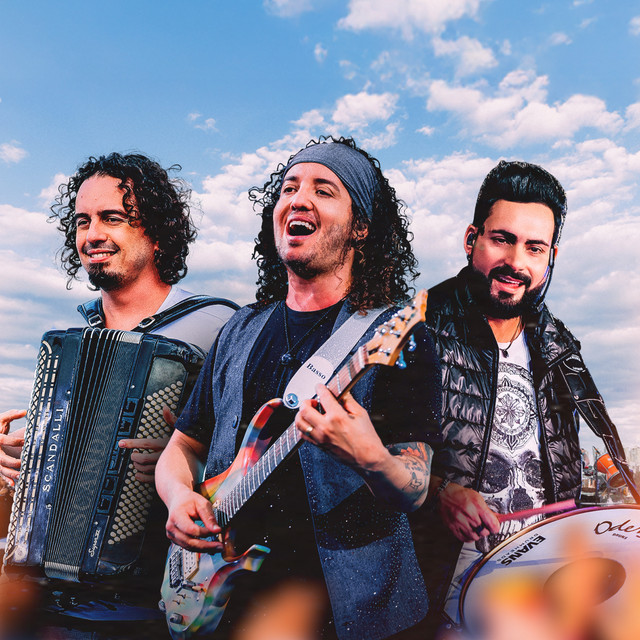
Chama Chuva
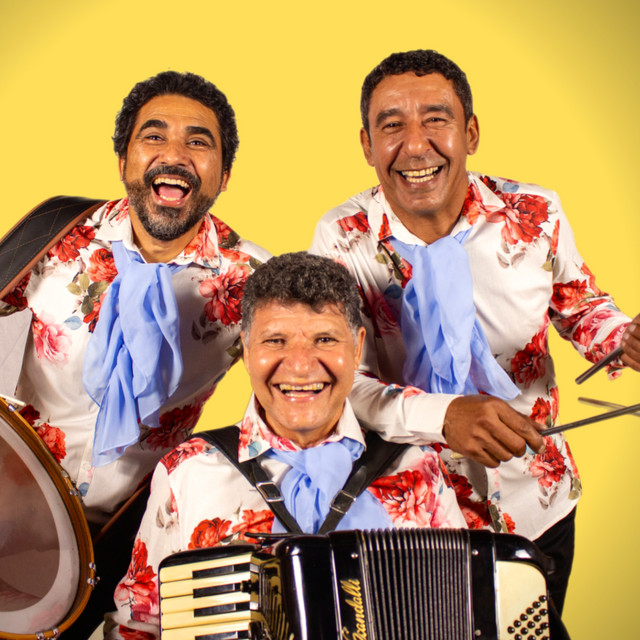
Trio Sabiá

Dois Dobrado
Os 3 do Nordeste

Trio Pé De Serra
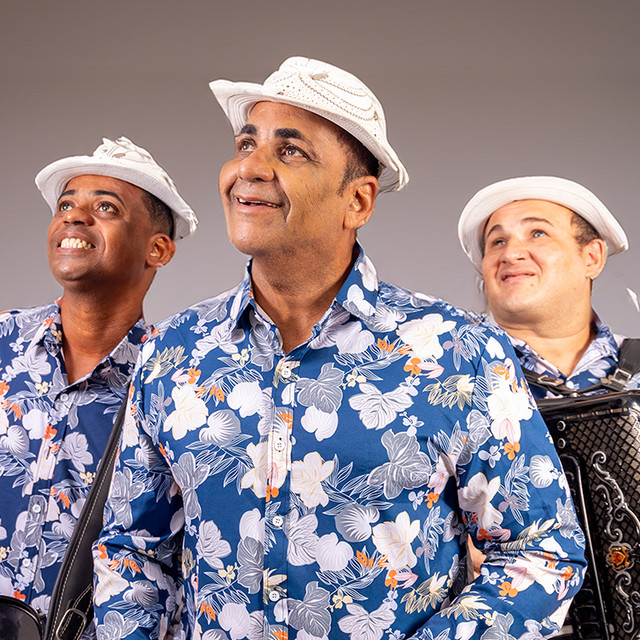

Trio Alvorada

Trio Xamego


Raiz Do Sana

Trio Potiguá
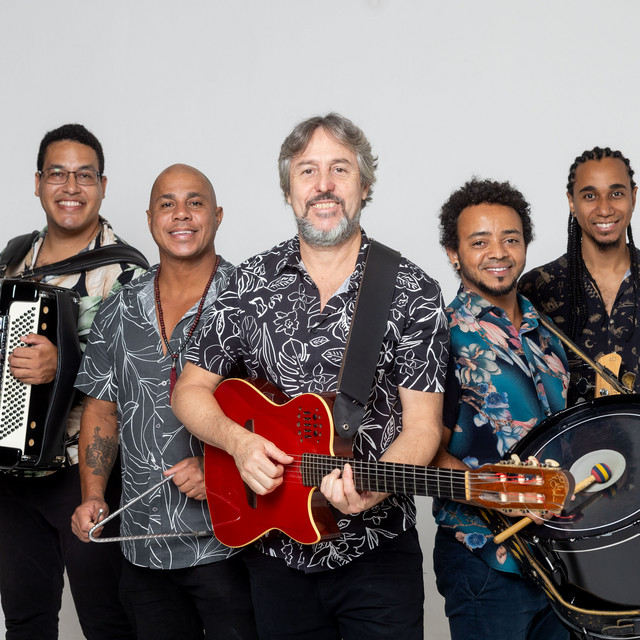

Caiana

Trio Macaíba

Coisa de Zé
Leo Estakazero

Diego Oliveira

Nadia Maia
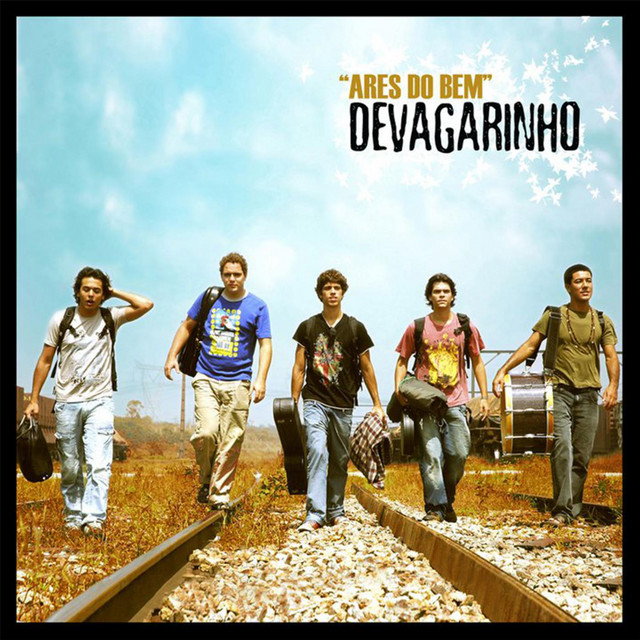
Banda Devagarinho

Trio Xamego
Petrúcio Amorim

Baião D4
Trio Lubião

Swing De Palha

Liv Moraes
Pinto Do Acordeon


Sebastiao Do Rojao