Genre
forró tradicional
Top Forró tradicional Artists
Showing 25 of 815 artists







About Forró tradicional
Forró tradicional is a Brazilian music and dance lineage born in the rural Northeast, where agrarian life, drought, and festive gatherings shaped a resilient sociocultural fabric. Its sound coalesced from three core rhythms—baião, xote and arrastapé—each with distinct tempo, swing and danceable impulse. The term forró originally referred to a lively party or a “forrobodó” night, but over time it also designated the music that fuels those gatherings. The tradition is closely linked to festas juninas (June festivals) when square dances, candlelit churches, and communal cooking create a sonic and communal center for the region.
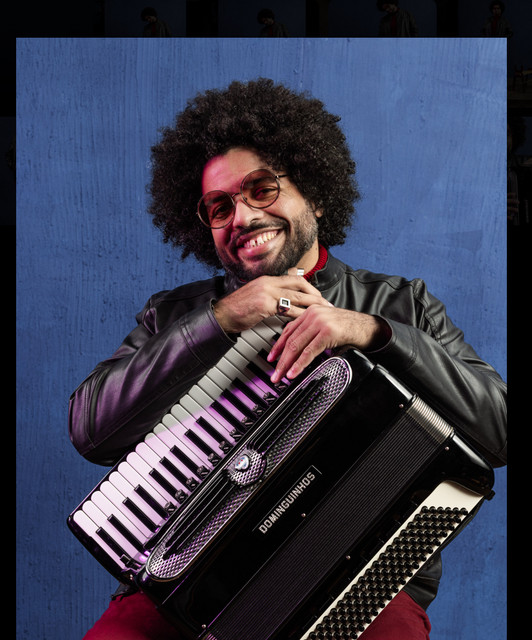
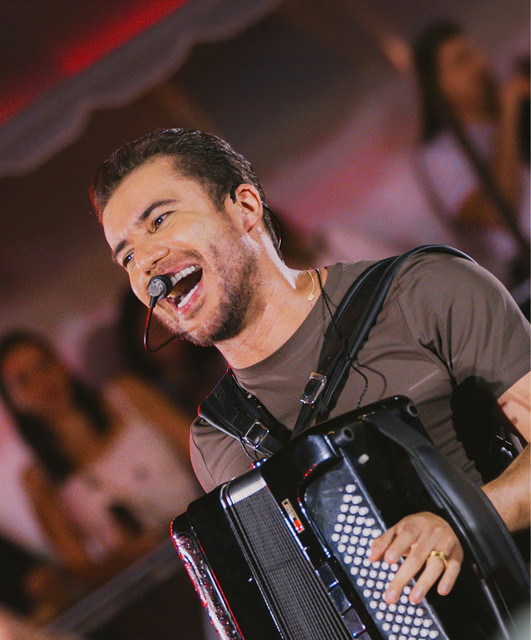
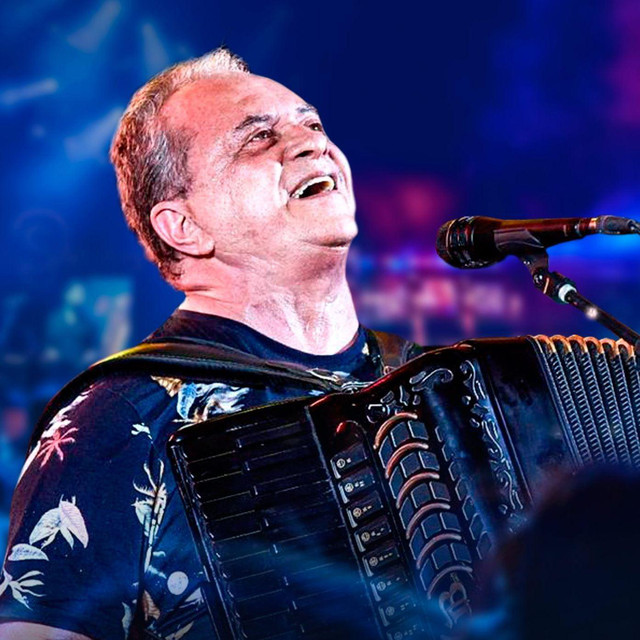
The acoustic backbone of forró tradicional is almost always instrumental: the sanfona (accordion), zabumba (a large bass drum) and triangle drive the groove, while voices tell stories of love, longing, drought, and daily life. The triad of instruments—accordion, percussion, and a bright, nasal vocal timbre—gives forró its unmistakable warmth and immediacy. This ethical emphasis on live, intimate performance makes forró a music of social spaces: patios, yards, and dance halls where couples learn the steps—baixa forró is stepped with a soft sway, while arrasta-pé and xote invite a stronger kick and turn.
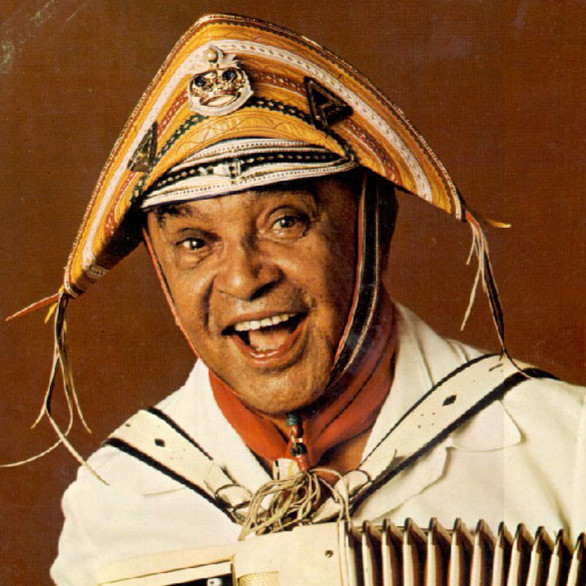
Historically, forró tradicional rose to national prominence in the mid-20th century, with Luiz Gonzaga—often hailed as the king of baião—at its forefront. Gonzaga’s collaborations with Humberto Teixeira produced canonical songs such as Asa Branca (1947), a drought’s elegy that became a national symbol of the Northeast’s endurance. As Gonzaga popularized the genre beyond its regional borders, forró gained new ambassadors and a broader repertoire, keeping the acoustic core intact while expanding the audience through radio, records and live performance.
Beyond Gonzaga, several figures stand as pillars of the tradition. Dominguinhos, a celebrated virtuoso of the sanfona and a direct student of Gonzaga, carried forró’s melodic and harmonic language into later decades, enriching it with sophisticated improvisations while preserving its rural essence. Jackson do Pandeiro, whose rhythmic versatility helped fuse Afro-Brazilian and northeastern colors, also played a significant role in disseminating forró’s infectious groove. The Trio Nordestino and Marinês y Su Gente are among the veteran ensembles and bands that kept the traditional sound vivid through the decades, mentoring new generations of players and dancers.
Forró tradicional remains strongest in Brazil, especially across the Northeast—Pernambuco, Paraíba, Ceará, and neighboring states—where communities continue to celebrate São João with public dances, street processions and concerts. It has also found international audiences among Brazilian diaspora communities and world-music listeners, notably in Portugal, parts of Europe, and North America, where specialized festivals, clubs, and cultural events present classic forró along with contemporary interpretations. While newer forms like forró eletrônico have emerged, forró tradicional endures as a purist, intimate practice: a living archive of rural memory and a communal art of making and dancing to music that feels both ancestral and immediate.
The acoustic backbone of forró tradicional is almost always instrumental: the sanfona (accordion), zabumba (a large bass drum) and triangle drive the groove, while voices tell stories of love, longing, drought, and daily life. The triad of instruments—accordion, percussion, and a bright, nasal vocal timbre—gives forró its unmistakable warmth and immediacy. This ethical emphasis on live, intimate performance makes forró a music of social spaces: patios, yards, and dance halls where couples learn the steps—baixa forró is stepped with a soft sway, while arrasta-pé and xote invite a stronger kick and turn.
Historically, forró tradicional rose to national prominence in the mid-20th century, with Luiz Gonzaga—often hailed as the king of baião—at its forefront. Gonzaga’s collaborations with Humberto Teixeira produced canonical songs such as Asa Branca (1947), a drought’s elegy that became a national symbol of the Northeast’s endurance. As Gonzaga popularized the genre beyond its regional borders, forró gained new ambassadors and a broader repertoire, keeping the acoustic core intact while expanding the audience through radio, records and live performance.
Beyond Gonzaga, several figures stand as pillars of the tradition. Dominguinhos, a celebrated virtuoso of the sanfona and a direct student of Gonzaga, carried forró’s melodic and harmonic language into later decades, enriching it with sophisticated improvisations while preserving its rural essence. Jackson do Pandeiro, whose rhythmic versatility helped fuse Afro-Brazilian and northeastern colors, also played a significant role in disseminating forró’s infectious groove. The Trio Nordestino and Marinês y Su Gente are among the veteran ensembles and bands that kept the traditional sound vivid through the decades, mentoring new generations of players and dancers.
Forró tradicional remains strongest in Brazil, especially across the Northeast—Pernambuco, Paraíba, Ceará, and neighboring states—where communities continue to celebrate São João with public dances, street processions and concerts. It has also found international audiences among Brazilian diaspora communities and world-music listeners, notably in Portugal, parts of Europe, and North America, where specialized festivals, clubs, and cultural events present classic forró along with contemporary interpretations. While newer forms like forró eletrônico have emerged, forró tradicional endures as a purist, intimate practice: a living archive of rural memory and a communal art of making and dancing to music that feels both ancestral and immediate.