Data may be outdated
Last updated: 9 months ago — Click refresh to get the latest statistics.
Francis Cutting may be at the same time one of the most important and one of the most obscure musicians to flourish in Elizabethan England. He was one of the most important because he probably was the first musician to make a name for himself playing the lute rather than by singing in church choirs or by keyboard playing. In addition, only the heroic generations immediately after his time -- <a href="spotify:artist:1mhwtKvBm1ncoOrUtnQUgk">John Dowland</a>, <a href="spotify:artist:5lhlKFCH9b5f5G43GgyJ2T">Daniel Bacheler</a>, and <a href="spotify:artist:5wBrgZigt8RFVrcARWc9bD">Antony Holborne</a> -- left more surviving compositions. Fully 11 of Cutting's pieces were printed in Barley's 1596 New Booke of Tabliture, and his was the only name printed in full. Cutting's music displays at times the most tuneful dance music, and at others great bursts of ornamentation and extraordinary harmonic surprises. His music was apparently in strong demand among the Elizabethan upper crust, yet historians must completely guess at his biography.
Cutting's story, apparently, begins in East Anglia, on the vast estates of the Howard family. Many members of Cutting families had been Lord Howard's tenants, and one Francis Cutting rented a tenement in the Strand, near Howard's city palace of Arundel, living there until his death in 1571. Eight of this man's 10 children are registered in the parish church records, and upon his death, his widow still had financial claims on Lord Howard. No proof can decidedly link this Francis Cutting with the known lutenist, or place him in Howard's service, but one telling fact gleams through the historical haze. Upon the settling of this Francis Cutting's will, his widow gave the eldest son his "seale Ringe of the lute," and this son Thomas apparently went on to become a professional musician. Whether or not we have found the real Francis Cutting, the musician exerted a strong effect on Elizabethan musical culture. He wrote pieces dedicated to some of the greatest in the land, including Fulke Greville and Sir Walter Raleigh. He was buried in his parish church near Lord Howard's Arundel House, and his son went on to play for Lady Arabella Stuart and King Christian IV of Denmark.
Cutting's story, apparently, begins in East Anglia, on the vast estates of the Howard family. Many members of Cutting families had been Lord Howard's tenants, and one Francis Cutting rented a tenement in the Strand, near Howard's city palace of Arundel, living there until his death in 1571. Eight of this man's 10 children are registered in the parish church records, and upon his death, his widow still had financial claims on Lord Howard. No proof can decidedly link this Francis Cutting with the known lutenist, or place him in Howard's service, but one telling fact gleams through the historical haze. Upon the settling of this Francis Cutting's will, his widow gave the eldest son his "seale Ringe of the lute," and this son Thomas apparently went on to become a professional musician. Whether or not we have found the real Francis Cutting, the musician exerted a strong effect on Elizabethan musical culture. He wrote pieces dedicated to some of the greatest in the land, including Fulke Greville and Sir Walter Raleigh. He was buried in his parish church near Lord Howard's Arundel House, and his son went on to play for Lady Arabella Stuart and King Christian IV of Denmark.
Monthly Listeners
1,413
Monthly Listeners History
Track the evolution of monthly listeners over the last 28 days.
Followers
401
Followers History
Track the evolution of followers over the last 28 days.
Top Cities
40 listeners

30 listeners

17 listeners
17 listeners

15 listeners
Related Artists
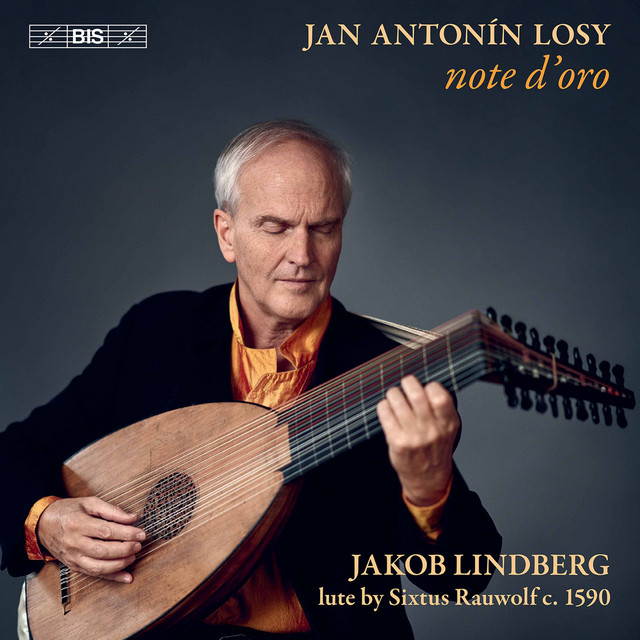
Jan Antonín Losy
Francisco Guerau
Venere Lute Quartet
Wojciech Długoraj

Giovanni Antonio Terzi
Simone Molinaro
Michelangelo Galilei
Melchior Neusidler
Thomas Robinson
Luis de Milán
David Tayler

Monica Pustilnik
Gabriel Schebor
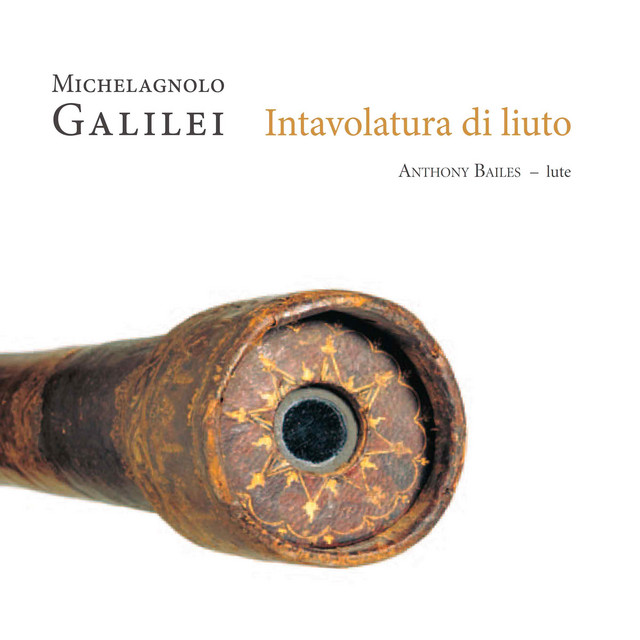
Michelagnolo Galilei
Adam Falckenhagen

Enríquez de Valderrábano

Pietro Paolo Borrono

William Waters
Giovanni Paolo Paladino
Daniel Bachelar

Lukas Henning
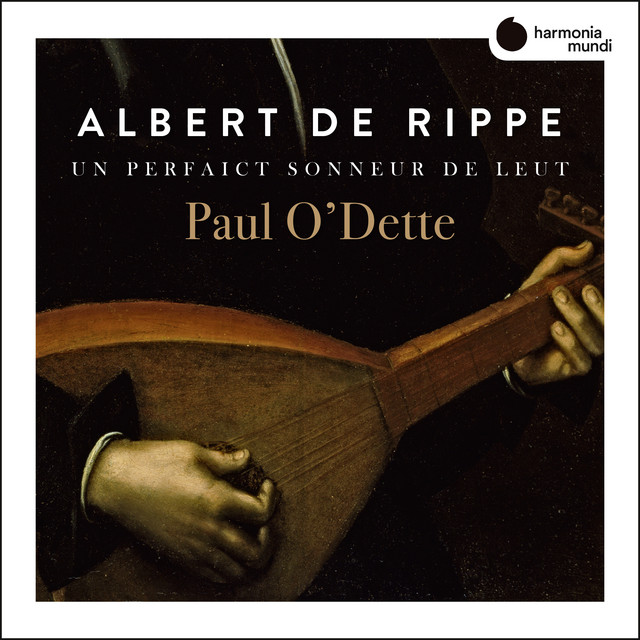
Albert de Rippe
Hans Judenkünig
Vincenzo Galilei
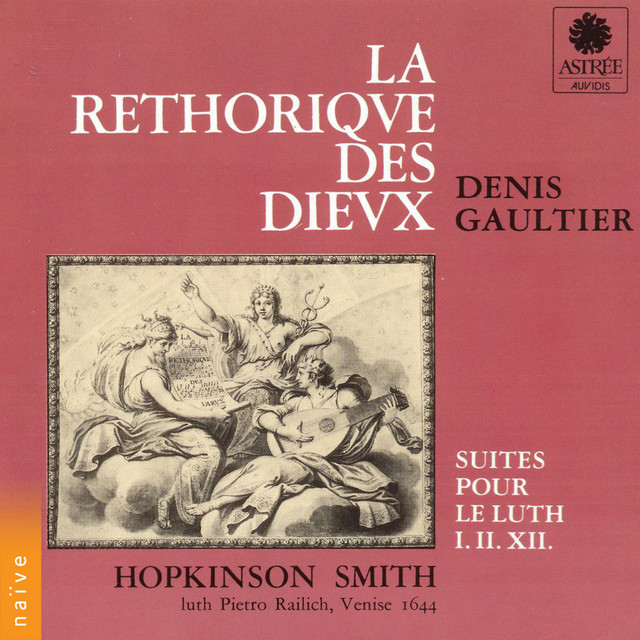

Martin Eastwell

Marco dall’Aquila