Data may be outdated
Last updated: 3 months ago — Click refresh to get the latest statistics.
Francis Thomé was born in Port Louis, Mauritius, on October 18, 1850. He was a musically gifted child and at 16 (1866) enrolled at the Paris Conservatory, where he studied composition under Jules Laurent Duprato and <a href="spotify:artist:4b83P4cnmD7hqhoUkgGEsN">Ambroise Thomas</a>. He also studied piano under Antoine-François Marmontel. Thomé graduated in 1870 and soon established a reputation as a composer of attractive salon music.
In 1886 his operetta Le Baron Fric was presented in Paris and achieved a measure of success. By this time he was already a veteran of ballet as well, with Les noces d'Arlequin (1885) having drawn positive notice in Paris. But Thomé was largely supporting himself as a concert pianist and piano teacher during this time. In fact, he was highly successful in both roles throughout most of his career. That said, his music was not exactly foundering, either. Perhaps his most notable success before the turn-of-the-century was his incidental music for Romeo and Juliette (1890).
Thomé was also gaining notice for his songs, as well as for his chamber music. His 1893 Trio for piano, violin, and cello and his 1901 Violin Sonata were quite popular for a time. Thomé experienced a fair level of success right up to the time of his death in 1909. In fact, his popularity lingered for several decades before his name and works faded.
Monthly Listeners
1,169
Monthly Listeners History
Track the evolution of monthly listeners over the last 28 days.
Followers
56
Followers History
Track the evolution of followers over the last 28 days.
Total Streams
114,936
Total Streams History
Track the evolution of total streams over the last 28 days. This data is calculated from all tracks listed in the artist's discography.
Top Cities



Related Artists
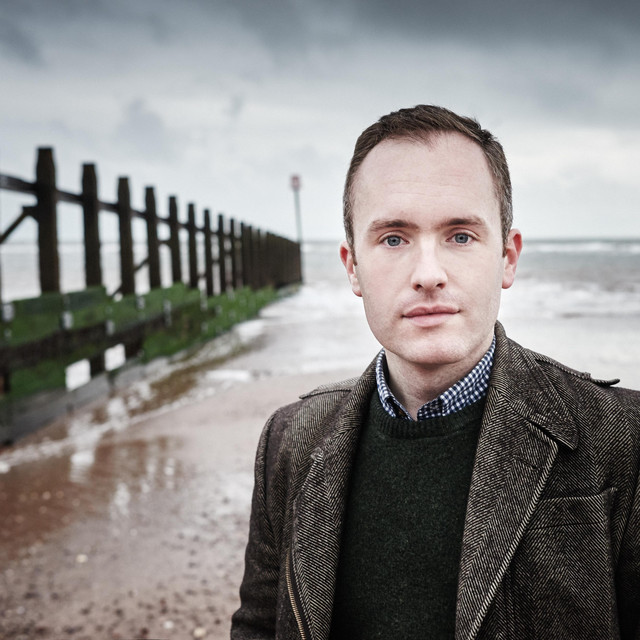
Simon Callaghan

Paul Juon

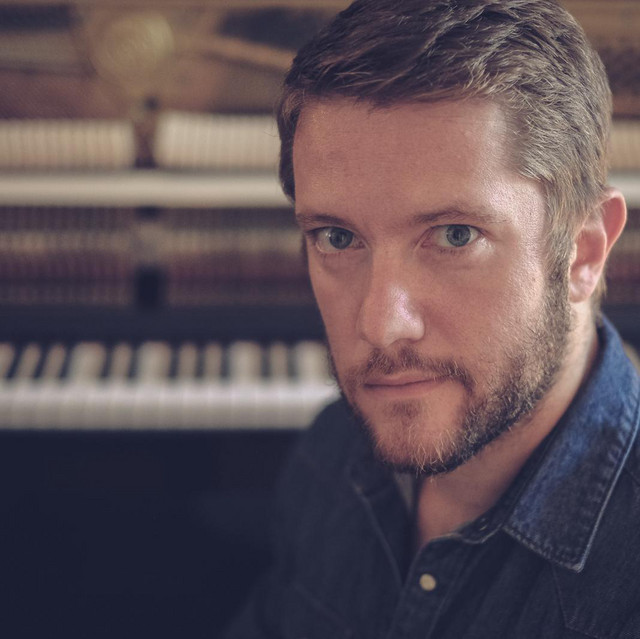
Paul Montag

Howard Ferguson
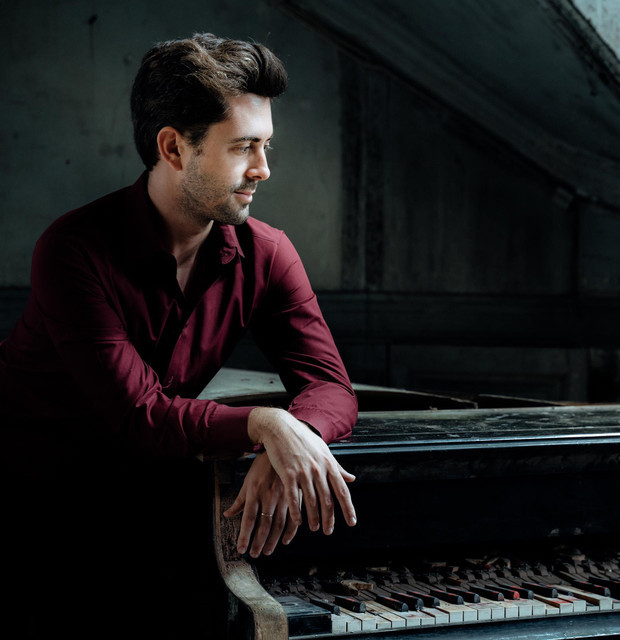
Antonio Oyarzábal


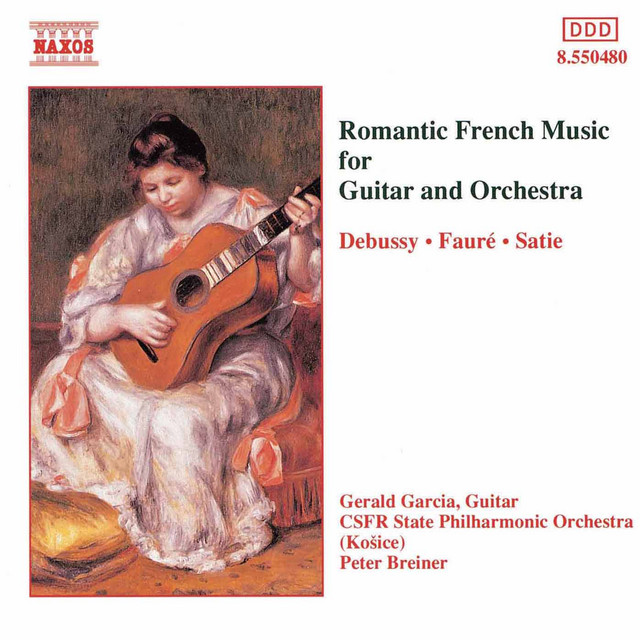

Gabriel Grovlez

Akira Miyoshi
António Fragoso
Alyssa Morris


Ronald L. Caravan

Nikša Bobetko
ボフスラフ・マルティヌー

Antonio Salguero

Vilmos Montág
Xak Bjerken
Min Kwon
Philippe Berrod
Miriam Gomez-Moran

Robert DiLutis

István Kohán


Amanda Harberg


Hiroshi Hara

Alexander Rosenblatt
Frank Proto

not applicable