Data may be outdated
Last updated: 9 months ago — Click refresh to get the latest statistics.
The name of Italian composer Franco Alfano is best known from his having put in order <a href="spotify:artist:0OzxPXyowUEQ532c9AmHUR">Giacomo Puccini</a>'s unfinished opera Turandot. Within his native Italy, Alfano is likewise revered for his opera Risurrezione (1904), which had already achieved a thousand performances in Italian opera houses by the time Alfano died at the age of 79 in 1954. Yet even in Italy, Alfano's true historical place in Italian music is little recognized. If one were to regard the first generation of Italian modernists as consisting of five composers headed off by <a href="spotify:artist:7KkUirCiJZhgRN3NbgG98L">Respighi</a>, <a href="spotify:artist:4EyY6oleYBgqoIGLu4WS2o">Malipiero</a>, <a href="spotify:artist:7gQZRcyE4kVm7gM26hUwiA">Pizzetti</a>, and <a href="spotify:artist:4H4WcIy2H9hlLQpVlJcSMI">Casella</a>, then rightfully Alfano would be the fifth name on that list.
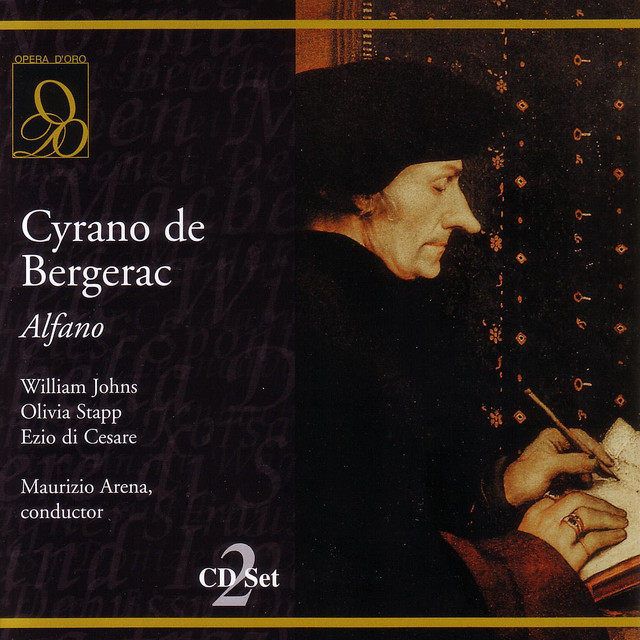
Alfano studied primarily in Italy, but in 1895 traveled to Leipzig to take lessons with renowned pedagogue Salomon Jadassohn. Alfano initially pursued a career as a concert pianist, an endeavor that found culmination in the premiere of his now-lost piano concerto (1900); thereafter Alfano devoted himself to composition, although he worked to some degree as an accompanist to singers of art songs, particularly in his own. Alfano's life changed significantly with the enormous success of his third opera, Risurrezione (1904), which is based on Tolstoy and composed in the verismo style then in vogue in Italy. Alfano's contact with the music of <a href="spotify:artist:1Uff91EOsvd99rtAupatMP">Debussy</a> shortly afterward caused a dramatic change of heart stylistically, and from its influence Alfano forged his mature identity. Throughout his life, Alfano composed about 15 operas, of which the most important outside of Risurrezione are L'Ombra di Don Giovanni (1914), La leggenda di Sakùntala (1921), and Cyrano de Bergerac (1936). By the time of his last-named work, Alfano's orientalist, post-Impressionist manner had given way to a more neo-Classical approach. Unlike other composers associated with verismo, Alfano was quite productive in the field of instrumental music. Although many of these works are lost, his chamber music is of outstanding quality, particularly his Sonata for cello and piano (1925) and the Sonata for violin and piano (1933); Alfano also produced a significant cycle of three string quartets (1918, 1926, and 1945). While it is a mistake to regard Alfano as a holdover from the late nineteenth century Italian tradition, it appears that this is the fate posterity has arranged for him, and several of his major works are impossible to account for. Only time will tell if posterity catches up with Alfano's most meaningful achievements in the field of early Italian modernism.
Alfano studied primarily in Italy, but in 1895 traveled to Leipzig to take lessons with renowned pedagogue Salomon Jadassohn. Alfano initially pursued a career as a concert pianist, an endeavor that found culmination in the premiere of his now-lost piano concerto (1900); thereafter Alfano devoted himself to composition, although he worked to some degree as an accompanist to singers of art songs, particularly in his own. Alfano's life changed significantly with the enormous success of his third opera, Risurrezione (1904), which is based on Tolstoy and composed in the verismo style then in vogue in Italy. Alfano's contact with the music of <a href="spotify:artist:1Uff91EOsvd99rtAupatMP">Debussy</a> shortly afterward caused a dramatic change of heart stylistically, and from its influence Alfano forged his mature identity. Throughout his life, Alfano composed about 15 operas, of which the most important outside of Risurrezione are L'Ombra di Don Giovanni (1914), La leggenda di Sakùntala (1921), and Cyrano de Bergerac (1936). By the time of his last-named work, Alfano's orientalist, post-Impressionist manner had given way to a more neo-Classical approach. Unlike other composers associated with verismo, Alfano was quite productive in the field of instrumental music. Although many of these works are lost, his chamber music is of outstanding quality, particularly his Sonata for cello and piano (1925) and the Sonata for violin and piano (1933); Alfano also produced a significant cycle of three string quartets (1918, 1926, and 1945). While it is a mistake to regard Alfano as a holdover from the late nineteenth century Italian tradition, it appears that this is the fate posterity has arranged for him, and several of his major works are impossible to account for. Only time will tell if posterity catches up with Alfano's most meaningful achievements in the field of early Italian modernism.
Monthly Listeners
952
Monthly Listeners History
Track the evolution of monthly listeners over the last 28 days.
Followers
444
Followers History
Track the evolution of followers over the last 28 days.
Top Cities
34 listeners

18 listeners

16 listeners

13 listeners
9 listeners

Related Artists
Félicien David
Aleksandar Markovic


Dennis Burkh

Eduard Toldrà
The Monnaie Symphony Orchestra
Orchestra Sinfonica di Milano della RAI
Coral Andra Mari
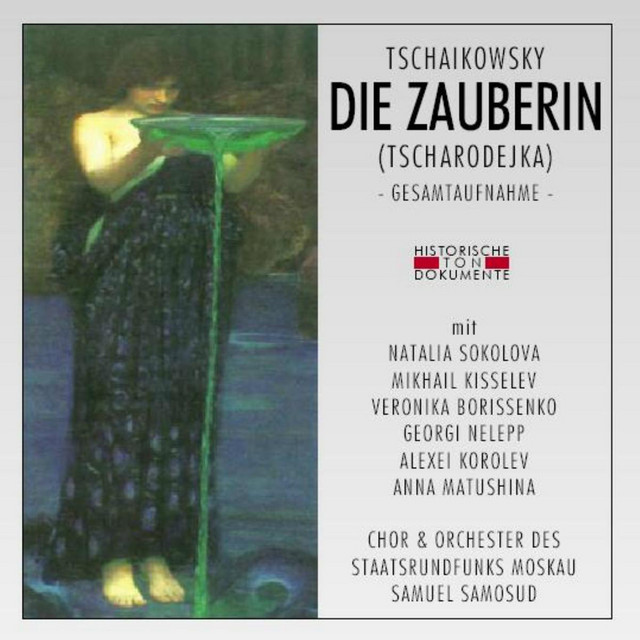
Samuel Samosud

Jussi Jalas
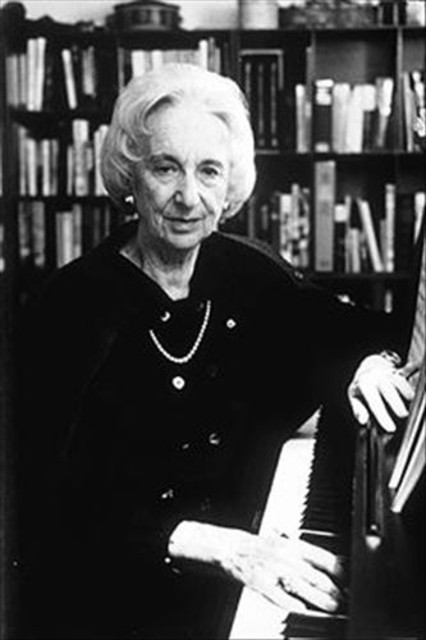
Jean Coulthard
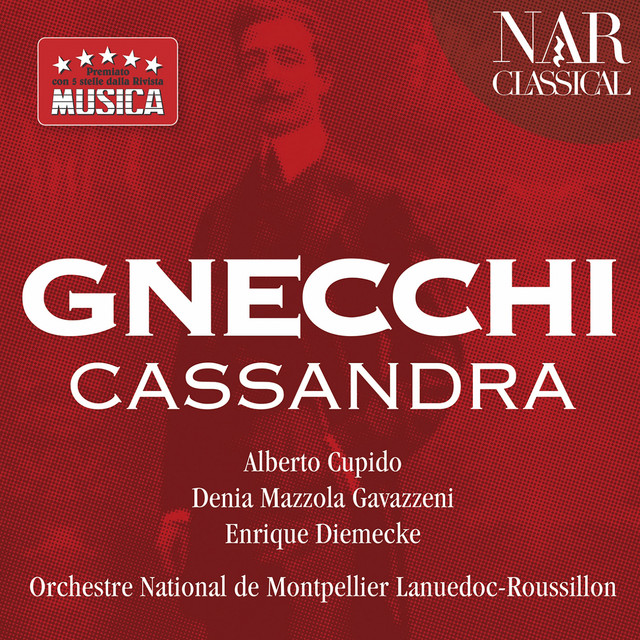
Denia Mazzola Gavazzeni
Martha Senn

Tommi Hakala

Raquel Lojendio
Winona Zelenka