Genre
opera
Top Opera Artists
Showing 25 of 17,931 artists








About Opera
Opera is a grand synthesis of music, theater, and visual spectacle that emerged in late Renaissance Italy and soon spread across Europe. It began in the 1590s among Florentine scholars and musicians who wanted to revive the ancient Greek notion of drama sung to music. The earliest forms, often called monody, utilized a single singer with basso continuo, but the desire to heighten dramatic meaning led to the invention of sung dialogue (recitative) and fully sung stages (aria) that could express intimate emotion and monumental narrative alike. By the turn of the seventeenth century, the art form had crystallized into the genre we recognize as opera, with Venice, Mantua and Rome as early laboratories. The first spectacular flowering came with Monteverdi’s Orfeo (1607) and the later operas of the Camerata in Florence, which fused poetry, music, and stagecraft into a total work of art.
In the centuries that followed, opera divided into stylistic currents: the baroque elegance of Cavalli and Scarlatti; the classic clarity of Mozart; the Romantic sweep of Verdi, Wagner and their heirs; and the late-Romantic and verismo visions of Puccini, Mascagni, Leoncavallo. Each generation expanded the range of vocal architecture—from the intimate recitative and ornamented arias of Baroque heroes to the heroic arias, dramatic ensembles, and large-scale choruses that defined nineteenth-century theatre. Opera’s genius lies not only in the music of the singers but in how librettos, orchestration, staging, lighting and costuming create a living dramaturgy.
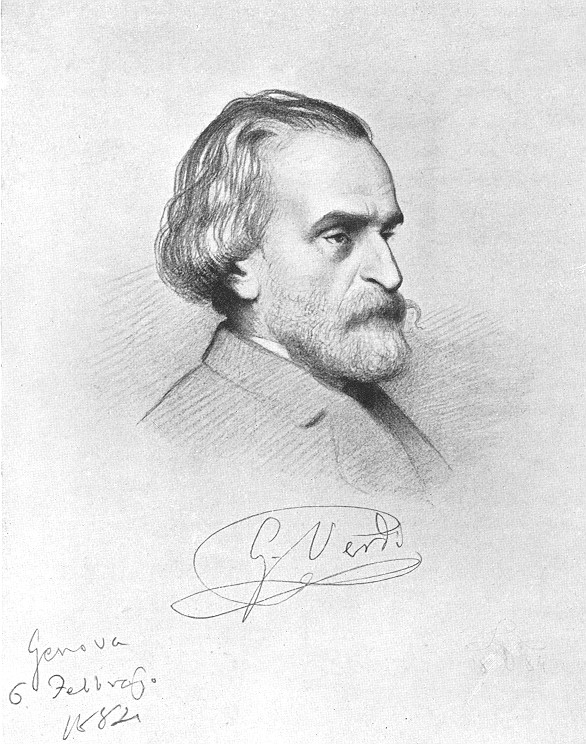
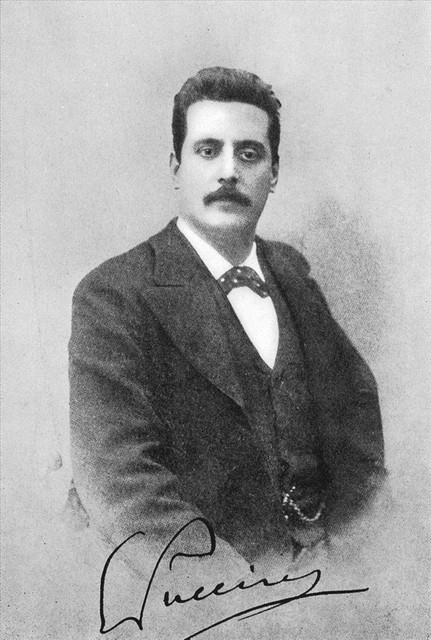
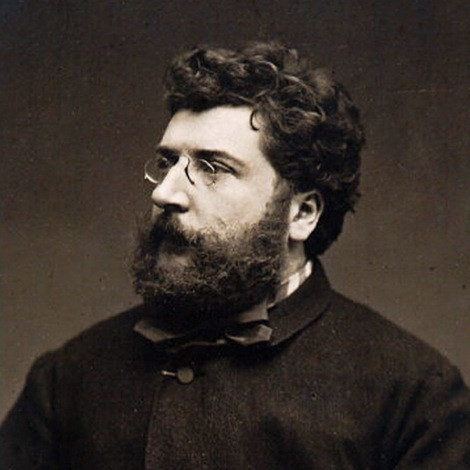
Among the most influential ambassadors are Claudio Monteverdi, whose aspirations to theater through sound set a template for dramatic realism; Richard Wagner, whose concept of leitmotiv and Gesamtkunstwerk reshaped the relationship between music, drama and stage; Giuseppe Verdi and Giacomo Puccini, whose melodramatic verve delivered some of the most beloved titles in the repertoire. On the French side, Jean-Baptiste Lully and later Jules Massenet and Georges Bizet expanded the expressive range; in English and Russian languages, the careers of composers such as Tchaikovsky and Rimsky-Korsakov broadened the imperial opera tradition. Singers became public icons: Enrico Caruso, Luciano Pavarotti, Plácido Domingo and Renée Fleming are among the most celebrated interpreters, while lyric sopranos like Maria Callas, Renata Scotto or Anna Netrebko forged lasting identities with specific parts.
Opera schools thrived in Italy, Germany, Austria and Russia, but the genre has grown into a truly global art. Today it centers in historic hubs such as La Scala in Milan, the Vienna State Opera, the Paris Opéra, the Royal Opera House in London, the Bolshoi, the Metropolitan Opera in New York, and countless regional theatres worldwide. The repertoire spans from early works in Italian, French and German to contemporary operas in many languages, including new music that pushes the boundaries of form and audience experience. For enthusiasts, opera offers a continuous dialogue between voice, orchestra, drama and design—a living archive of human feeling in sound. Its future lies in intimate storytelling, immersive technology, and cross-cultural collaboration, inviting new generations to discover forgotten gems and reinterpret classics through digital staging, streaming, and global partnerships worldwide.