Data may be outdated
Last updated: 1 month ago — Click refresh to get the latest statistics.
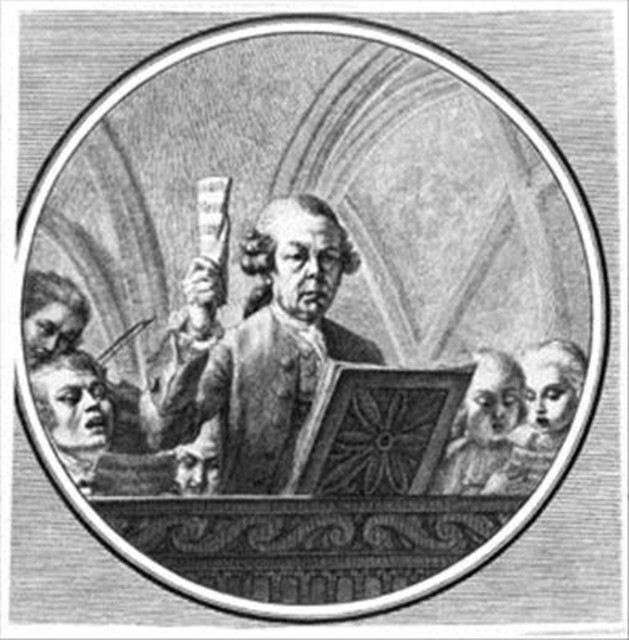
Richter became a professional singer, a bass, who toiled in minor provincial German posts during the 1730s. In 1740 he began working as vice-Kapellmeister to the Prince-Abbot Anselm von Reichlin-Meldegg in Kempten, Allgau, although it's not known exactly how long he remained there. By 1747 he was working as a court musician, certainly as a singer (of both opera and sacred music), and possibly also a violinist for the Elector Palatine Carl Theodor in Mannheim. That is when he began to make his mark as a composer. He already had a set of symphonies published in Paris by 1744, but in Mannheim he gradually developed a reputation as a composer of sacred music, although he continued to write stylish secular pieces, including string quartets, symphonies, and concertos. Richter was also a noted teacher, and in the 1760s he wrote a composition method book based on <a href="spotify:artist:7Msitr7N39gsSU8nDUEWX5">Fux</a>'s Gradus ad Parnassum. In 1768 he seems to have given up performing to become a court chamber composer.
Despite his court duties, Richter had time for extensive travel, and he had little trouble getting his music published abroad. Perhaps this is because it was rather conservative, rooted, though certainly not trapped, in the Baroque style. He was the odd man out among Mannheim composers, resisting his colleagues' reliance on virtuoso special effects. Fed up, in 1769 he got a job as Kapellmeister at Strasbourg Cathedral, and focused more on sacred music during this final phase of his career, although he also supervised secular music at the prince-bishop's court and directed the municipal orchestra.
Monthly Listeners
16,384
Monthly Listeners History
Track the evolution of monthly listeners over the last 28 days.
Followers
1,577
Followers History
Track the evolution of followers over the last 28 days.
Total Streams
870.0 million
Total Streams History
Track the evolution of total streams over the last 28 days. This data is calculated from all tracks listed in the artist's discography.
Top Cities





Related Artists
Leonardo Leo
Wilbert Hazelzet
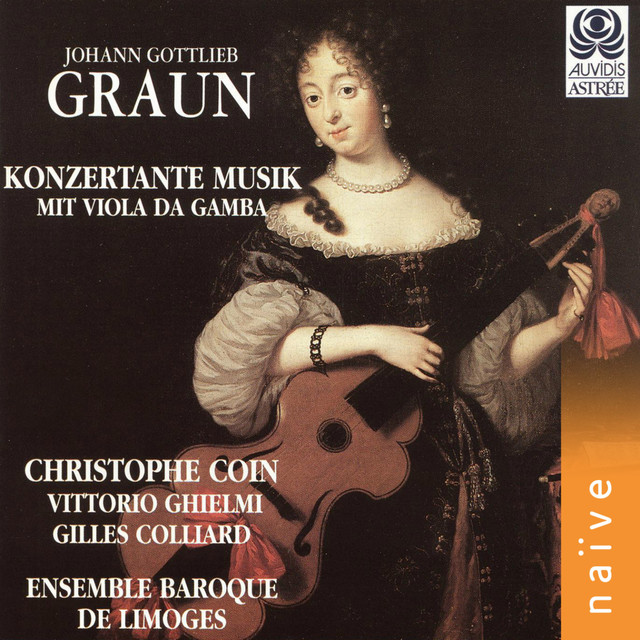
Johann Gottlieb Graun
Evaristo Felice Dall'Abaco
Christoph Graupner

Unico Wilhelm van Wassenaer
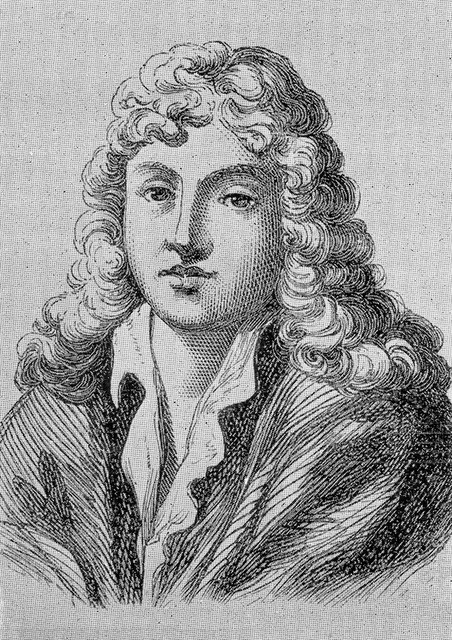

Giuseppe Sammartini

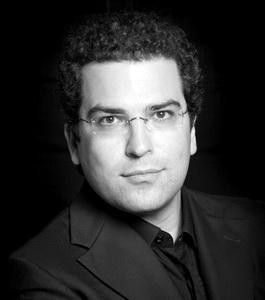
Marcello di Lisa

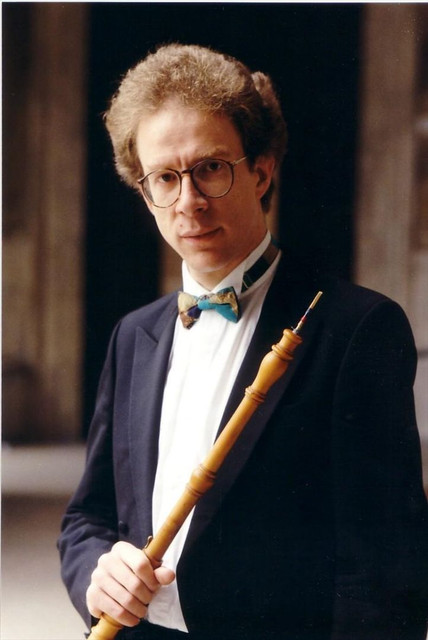
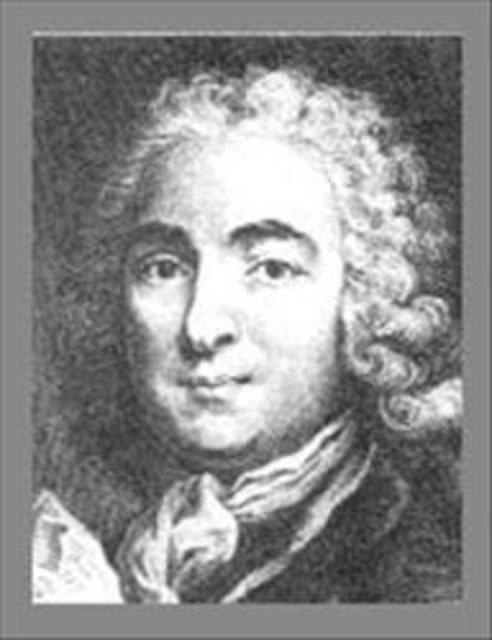

Giuseppe Antonio Brescianello


Indianapolis Baroque Orchestra

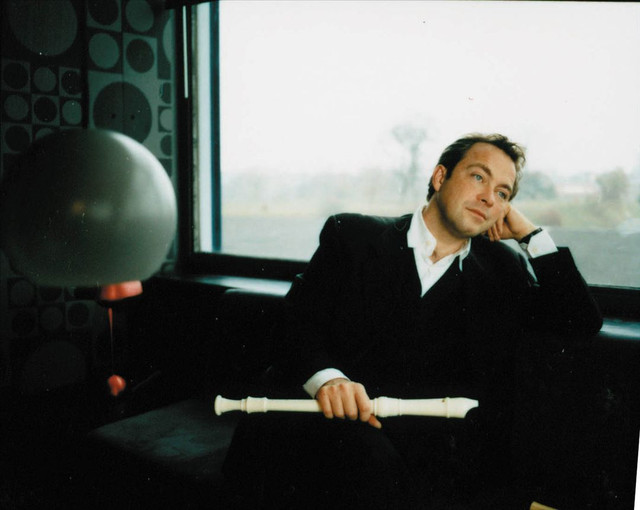
Michael Schneider
Malcolm Proud
Pietro Locatelli
Denis Vigay
Jean-Baptiste Quentin
Johann David Heinichen
Johann Georg Pisendel
Max Volbers