Data may be outdated
Last updated: 9 months ago — Click refresh to get the latest statistics.
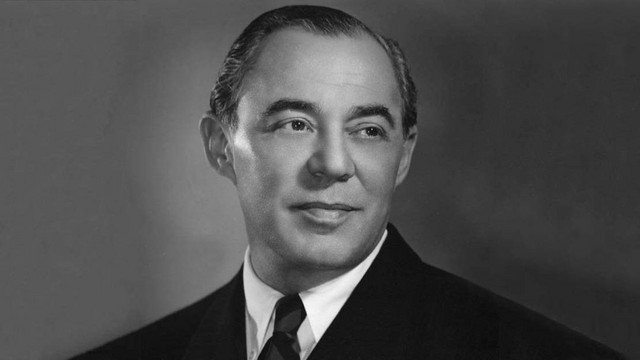
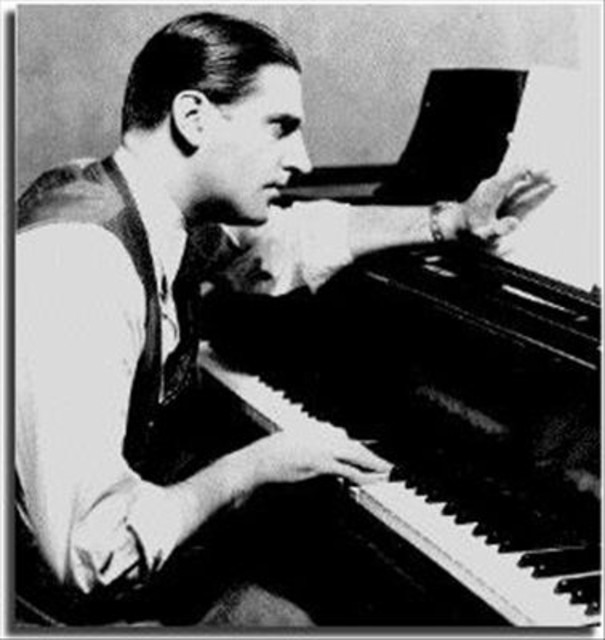
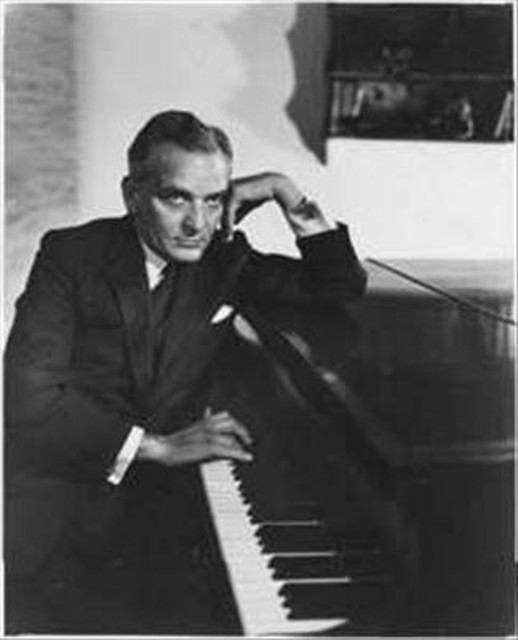
Frederick "Fritz" Loewe was born in Berlin, the son of popular German operetta star Edmund Loewe. Little can be verified about his background, but in 1925 Loewe immigrated to the United States with his father. A decade went by before Frederick Loewe first heard his music performed in New York as part of a play, Petticoat Fever (1935); in the interim, Loewe made ends meet through playing piano in silent movie houses and other miscellaneous jobs.
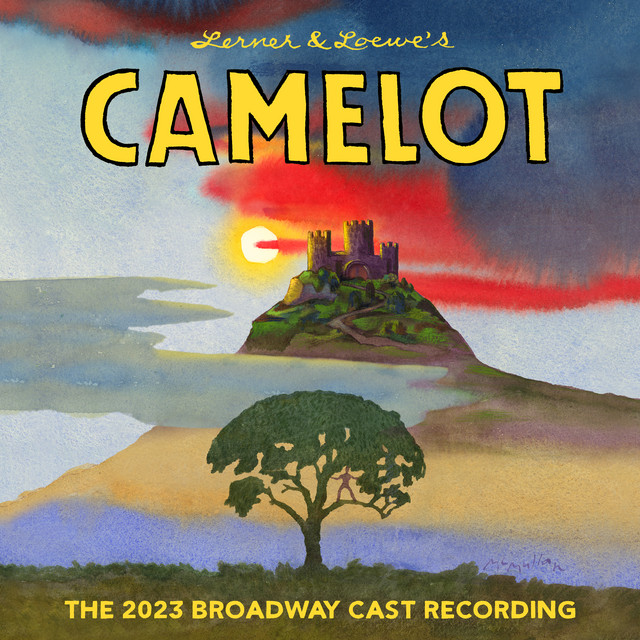
Afterward, Loewe embarked on a number of projects with lyricist Earle Crocker, contributing numbers to forgotten Broadway revues and writing some failed shows. At New York's The Lambs Club in 1942, Loewe met aspiring lyricist <a href="spotify:artist:13MyebMy7X56P2P6GYtlYH">Alan Jay Lerner</a>. After two further flops, <a href="spotify:artist:13MyebMy7X56P2P6GYtlYH">Lerner</a> and Loewe dished up a success with Brigadoon (1947), which established the team as the first major Broadway songwriters to emerge in the postwar era. Paint Your Wagon (1951) followed, but it was My Fair Lady (1956) that proved <a href="spotify:artist:13MyebMy7X56P2P6GYtlYH">Lerner</a> and Loewe's most enduring hit; it had the longest run of any Broadway musical prior to Cats. While My Fair Lady was still in tryouts, <a href="spotify:artist:13MyebMy7X56P2P6GYtlYH">Lerner</a> & Loewe worked on a film musical, Gigi (1958). Directed by Vincente Minnelli and starring Leslie Caron, Gigi was the surprise hit of 1958 and earned the Academy Award for Best Picture. The Broadway show Camelot (1960) was another mega-hit and a musical that, in retrospect, defines the <a href="spotify:artist:76NiAsCnFL6eHb04zphoH6">Kennedy</a> era in which it was so popular. At this point, Loewe announced his retirement; two further <a href="spotify:artist:13MyebMy7X56P2P6GYtlYH">Lerner</a> and Loewe projects in the 1970s turned out to be failures.
Despite his late start on Broadway, Loewe's taste and musical personality was rooted in the Viennese operetta of his youth. Loewe's utilization of this influence was Americanized to some extent, and his settings of <a href="spotify:artist:13MyebMy7X56P2P6GYtlYH">Lerner</a>'s English lyrics are so natural as to be less than noticeable, almost like speech. It is easy to mistake this hard-won simplicity of expression to a kind of emotional distancing, but the total integration of story and song in the work of <a href="spotify:artist:13MyebMy7X56P2P6GYtlYH">Lerner</a> and Loewe is what makes their work so widely appealing to so many. This ensures the survival of shows like My Fair Lady well past their closing date on Broadway.
Afterward, Loewe embarked on a number of projects with lyricist Earle Crocker, contributing numbers to forgotten Broadway revues and writing some failed shows. At New York's The Lambs Club in 1942, Loewe met aspiring lyricist <a href="spotify:artist:13MyebMy7X56P2P6GYtlYH">Alan Jay Lerner</a>. After two further flops, <a href="spotify:artist:13MyebMy7X56P2P6GYtlYH">Lerner</a> and Loewe dished up a success with Brigadoon (1947), which established the team as the first major Broadway songwriters to emerge in the postwar era. Paint Your Wagon (1951) followed, but it was My Fair Lady (1956) that proved <a href="spotify:artist:13MyebMy7X56P2P6GYtlYH">Lerner</a> and Loewe's most enduring hit; it had the longest run of any Broadway musical prior to Cats. While My Fair Lady was still in tryouts, <a href="spotify:artist:13MyebMy7X56P2P6GYtlYH">Lerner</a> & Loewe worked on a film musical, Gigi (1958). Directed by Vincente Minnelli and starring Leslie Caron, Gigi was the surprise hit of 1958 and earned the Academy Award for Best Picture. The Broadway show Camelot (1960) was another mega-hit and a musical that, in retrospect, defines the <a href="spotify:artist:76NiAsCnFL6eHb04zphoH6">Kennedy</a> era in which it was so popular. At this point, Loewe announced his retirement; two further <a href="spotify:artist:13MyebMy7X56P2P6GYtlYH">Lerner</a> and Loewe projects in the 1970s turned out to be failures.
Despite his late start on Broadway, Loewe's taste and musical personality was rooted in the Viennese operetta of his youth. Loewe's utilization of this influence was Americanized to some extent, and his settings of <a href="spotify:artist:13MyebMy7X56P2P6GYtlYH">Lerner</a>'s English lyrics are so natural as to be less than noticeable, almost like speech. It is easy to mistake this hard-won simplicity of expression to a kind of emotional distancing, but the total integration of story and song in the work of <a href="spotify:artist:13MyebMy7X56P2P6GYtlYH">Lerner</a> and Loewe is what makes their work so widely appealing to so many. This ensures the survival of shows like My Fair Lady well past their closing date on Broadway.
Monthly Listeners
98,430
Monthly Listeners History
Track the evolution of monthly listeners over the last 28 days.
Followers
3,177
Followers History
Track the evolution of followers over the last 28 days.
Top Cities
3,239 listeners

1,394 listeners

1,158 listeners

1,084 listeners
989 listeners

Related Artists