Data may be outdated
Last updated: 9 months ago — Click refresh to get the latest statistics.
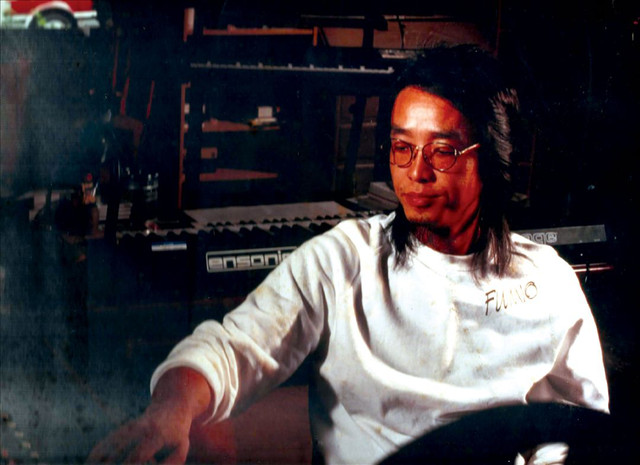
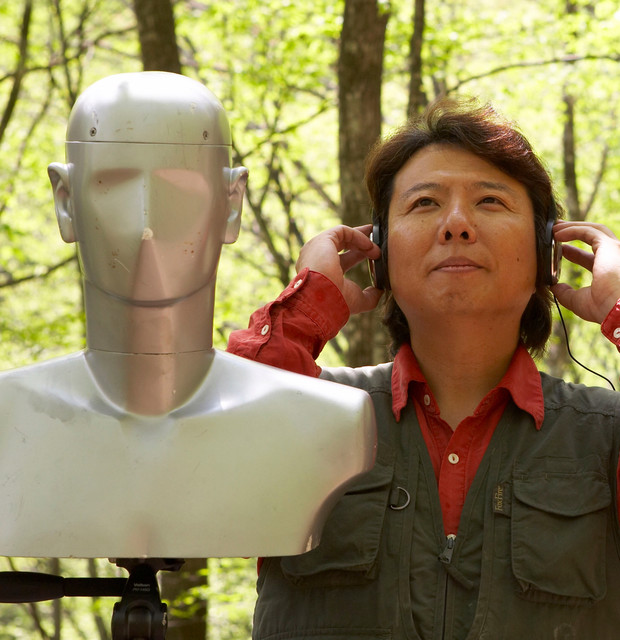
Fumio Miyashita (sometimes known as simply Fumio) was a staggeringly prolific yet largely unheralded new age artist from Japan. Fans of Japanese psychedelia know Miyashita best as a founding member of <a href="spotify:artist:4hv6SFLgucIez4Yc4ZiZsT">Far Out</a> and <a href="spotify:artist:0trgWsuHEMtyAtHPW8SZKq">Far East Family Band</a>, two pioneering progressive/space rock bands that existed during the mid-'70s. Like <a href="spotify:artist:0trgWsuHEMtyAtHPW8SZKq">Far East Family Band</a>'s most well-known member, <a href="spotify:artist:6CTNhXJKT6SdsQspUDIGiY">Kitaro</a>, Miyashita began making solo electronic music and composing soundtracks after the group broke up around 1977. Eventually he started making music specifically focused on healing, meditation, therapy, and sleep, and released over a hundred albums, which sold well in his native country.
Miyashita was born in Nagano, Japan in 1949. As a teenager, he played rhythm guitar in a rock & roll group called the Glories. However, eventually he started playing the biwa, an acoustic lute-style instrument, and became more interested in Japanese traditional music. After participating in a Tokyo production of the controversial rock musical Hair, Miyashita recorded a mellow acoustic folk album with <a href="spotify:artist:1nj6LuWJalUuYfBs0QO1sr">Osamu Kitajima</a> that seemed completely out of step with what was popular at the time. Miyashita then formed <a href="spotify:artist:4hv6SFLgucIez4Yc4ZiZsT">Far Out</a>, which released one full-length album (referred to as either Far Out or Nihonjin) containing two side-long tracks reminiscent of <a href="spotify:artist:0k17h0D3J5VfsdmQ1iZtE9">Pink Floyd</a> but with Japanese folk elements. Miyashita then founded <a href="spotify:artist:0trgWsuHEMtyAtHPW8SZKq">Far East Family Band</a> in 1975, taking the sound of <a href="spotify:artist:4hv6SFLgucIez4Yc4ZiZsT">Far Out</a> into more cosmic territory. <a href="spotify:artist:3U2U4TR03ZuStsizrv0EJB">Klaus Schulze</a> mixed some of their albums, and turned both <a href="spotify:artist:6CTNhXJKT6SdsQspUDIGiY">Kitaro</a> and Miyashita on to the musical possibilities of synthesizers.
Miyashita studied acupuncture in Los Angeles during the late '70s, eventually returning to Japan to practice music therapy. Miyashita scored numerous anime films during the '80s, and much of his work during this time explored a space theme. His 1984 album Journey to Space was released in the United States by <a href="spotify:search:label%3A%22Relativity%22">Relativity</a>, but most of his work was otherwise only available in Japan. He began releasing albums of healing music on his own <a href="spotify:search:label%3A%22Biwa+Records%22">Biwa Records</a> in 1985, and continued producing soothing, meditative music that blended soft electronic textures with traditional instruments such as bamboo flutes. During the 1990s, he toured the United States with <a href="spotify:artist:6Sp2FifnF2ZMmUrLvUuapi">Dean</a> and <a href="spotify:artist:6kDyIwI2psirzHCWyHKDTV">Dudley Evenson</a>, and released music on their label, <a href="spotify:search:label%3A%22Soundings+of+the+Planet%22">Soundings of the Planet</a>. Miyashita remained highly active until his death (from respiratory failure) in 2003.
In 2017, the American indie label <a href="spotify:search:label%3A%22Drag+City%22">Drag City</a> issued Live on the Boffomundo Show, an album of electronic music performances recorded for a Los Angeles cable access show during the late '70s and early '80s. ~ Paul Simpson, Rovi
Miyashita was born in Nagano, Japan in 1949. As a teenager, he played rhythm guitar in a rock & roll group called the Glories. However, eventually he started playing the biwa, an acoustic lute-style instrument, and became more interested in Japanese traditional music. After participating in a Tokyo production of the controversial rock musical Hair, Miyashita recorded a mellow acoustic folk album with <a href="spotify:artist:1nj6LuWJalUuYfBs0QO1sr">Osamu Kitajima</a> that seemed completely out of step with what was popular at the time. Miyashita then formed <a href="spotify:artist:4hv6SFLgucIez4Yc4ZiZsT">Far Out</a>, which released one full-length album (referred to as either Far Out or Nihonjin) containing two side-long tracks reminiscent of <a href="spotify:artist:0k17h0D3J5VfsdmQ1iZtE9">Pink Floyd</a> but with Japanese folk elements. Miyashita then founded <a href="spotify:artist:0trgWsuHEMtyAtHPW8SZKq">Far East Family Band</a> in 1975, taking the sound of <a href="spotify:artist:4hv6SFLgucIez4Yc4ZiZsT">Far Out</a> into more cosmic territory. <a href="spotify:artist:3U2U4TR03ZuStsizrv0EJB">Klaus Schulze</a> mixed some of their albums, and turned both <a href="spotify:artist:6CTNhXJKT6SdsQspUDIGiY">Kitaro</a> and Miyashita on to the musical possibilities of synthesizers.
Miyashita studied acupuncture in Los Angeles during the late '70s, eventually returning to Japan to practice music therapy. Miyashita scored numerous anime films during the '80s, and much of his work during this time explored a space theme. His 1984 album Journey to Space was released in the United States by <a href="spotify:search:label%3A%22Relativity%22">Relativity</a>, but most of his work was otherwise only available in Japan. He began releasing albums of healing music on his own <a href="spotify:search:label%3A%22Biwa+Records%22">Biwa Records</a> in 1985, and continued producing soothing, meditative music that blended soft electronic textures with traditional instruments such as bamboo flutes. During the 1990s, he toured the United States with <a href="spotify:artist:6Sp2FifnF2ZMmUrLvUuapi">Dean</a> and <a href="spotify:artist:6kDyIwI2psirzHCWyHKDTV">Dudley Evenson</a>, and released music on their label, <a href="spotify:search:label%3A%22Soundings+of+the+Planet%22">Soundings of the Planet</a>. Miyashita remained highly active until his death (from respiratory failure) in 2003.
In 2017, the American indie label <a href="spotify:search:label%3A%22Drag+City%22">Drag City</a> issued Live on the Boffomundo Show, an album of electronic music performances recorded for a Los Angeles cable access show during the late '70s and early '80s. ~ Paul Simpson, Rovi
Monthly Listeners
8,277
Monthly Listeners History
Track the evolution of monthly listeners over the last 28 days.
Followers
5,420
Followers History
Track the evolution of followers over the last 28 days.
Top Cities
247 listeners

150 listeners

143 listeners

135 listeners
124 listeners

Related Artists


小久保隆

小久保 隆
尾島由郎




越智義朗




Tetsu Inoue


Clive Wright

Synergetic Voice Orchestra

松﨑裕子

ワールドスタンダード



FM3