Data may be outdated
Last updated: 9 months ago — Click refresh to get the latest statistics.
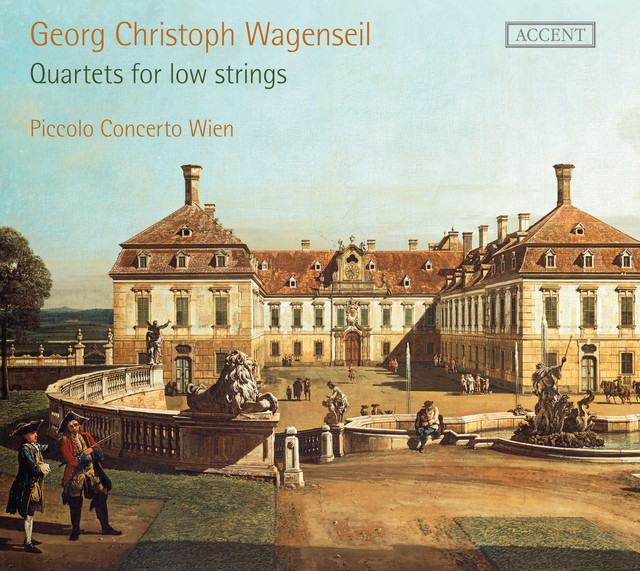
Georg Christoph Wagenseil was an Austrian composer and organist of the late Baroque and early Classical eras. He was known as a virtuosic performer, and his innovative operas and symphonies had a strong influence on the composers of the Classical era.
Wagenseil was born in Vienna in 1715 to a wealthy family and spent most of his childhood around the Imperial Court, where his father and maternal grandfather were employed. Piano lessons were included in his schooling, which was typical for someone of his high social status, and he sang in Empress Amelia Wilhelmine's private chapel until his teens. He then became more focused on his organ playing and pursued more advanced instruction from Adam Weger, the organist of St. Michael's church in Vienna. Wagenseil also began to compose for the piano and organ, which attracted the attention of the music director of the court, <a href="spotify:artist:7Msitr7N39gsSU8nDUEWX5">Johann Joseph Fux</a>. In 1735, Wagenseil began studying with <a href="spotify:artist:7Msitr7N39gsSU8nDUEWX5">Fux</a> and was appointed to the position of court scholar, with the recommendation of his teacher. After three years of intense study and practice, he received <a href="spotify:artist:7Msitr7N39gsSU8nDUEWX5">Fux</a>'s endorsement and became the court composer. He also served as the organist at Empress Elisabeth Christine's private chapel from 1741 to 1750. Beginning in the mid-1740s, he composed operas and theatrical works for special occasions such as royal birthdays and other celebrations.
In 1745, Wagenseil traveled to Venice to oversee the production of his first opera, Ariodante. His operas were innovative in how he organized the structural elements of arias, choruses, and recitatives into longer arcs that avoided predictable formal patterns. Throughout the 1750s, he was granted with publication rights in France, and produced a prolific amount of chamber music and symphonies that made him very popular. Many of these works were chamber concertos of intermediate difficulty intended for amateur musicians to perform in their homes. By the 1760s, his works were widely distributed throughout several European countries, and they were known by <a href="spotify:artist:4NJhFmfw43RLBLjQvxDuRS">Mozart</a>, <a href="spotify:artist:656RXuyw7CE0dtjdPgjJV6">Haydn</a>, and many others. Wagenseil stopped performing around 1765 after a gout attack that affected his left hand. He eventually became confined to his home but continued composing and teaching. Some of his more prominent students included Leopold Hofmann, Marie Antoinette, and Johann Baptist Schenk, who later became Beethoven's teacher. Wagenseil died in his home in Vienna in 1777. ~ RJ Lambert, Rovi
Wagenseil was born in Vienna in 1715 to a wealthy family and spent most of his childhood around the Imperial Court, where his father and maternal grandfather were employed. Piano lessons were included in his schooling, which was typical for someone of his high social status, and he sang in Empress Amelia Wilhelmine's private chapel until his teens. He then became more focused on his organ playing and pursued more advanced instruction from Adam Weger, the organist of St. Michael's church in Vienna. Wagenseil also began to compose for the piano and organ, which attracted the attention of the music director of the court, <a href="spotify:artist:7Msitr7N39gsSU8nDUEWX5">Johann Joseph Fux</a>. In 1735, Wagenseil began studying with <a href="spotify:artist:7Msitr7N39gsSU8nDUEWX5">Fux</a> and was appointed to the position of court scholar, with the recommendation of his teacher. After three years of intense study and practice, he received <a href="spotify:artist:7Msitr7N39gsSU8nDUEWX5">Fux</a>'s endorsement and became the court composer. He also served as the organist at Empress Elisabeth Christine's private chapel from 1741 to 1750. Beginning in the mid-1740s, he composed operas and theatrical works for special occasions such as royal birthdays and other celebrations.
In 1745, Wagenseil traveled to Venice to oversee the production of his first opera, Ariodante. His operas were innovative in how he organized the structural elements of arias, choruses, and recitatives into longer arcs that avoided predictable formal patterns. Throughout the 1750s, he was granted with publication rights in France, and produced a prolific amount of chamber music and symphonies that made him very popular. Many of these works were chamber concertos of intermediate difficulty intended for amateur musicians to perform in their homes. By the 1760s, his works were widely distributed throughout several European countries, and they were known by <a href="spotify:artist:4NJhFmfw43RLBLjQvxDuRS">Mozart</a>, <a href="spotify:artist:656RXuyw7CE0dtjdPgjJV6">Haydn</a>, and many others. Wagenseil stopped performing around 1765 after a gout attack that affected his left hand. He eventually became confined to his home but continued composing and teaching. Some of his more prominent students included Leopold Hofmann, Marie Antoinette, and Johann Baptist Schenk, who later became Beethoven's teacher. Wagenseil died in his home in Vienna in 1777. ~ RJ Lambert, Rovi
Monthly Listeners
5,995
Monthly Listeners History
Track the evolution of monthly listeners over the last 28 days.
Followers
1,170
Followers History
Track the evolution of followers over the last 28 days.
Top Cities
91 listeners

86 listeners

71 listeners

64 listeners

63 listeners

Related Artists
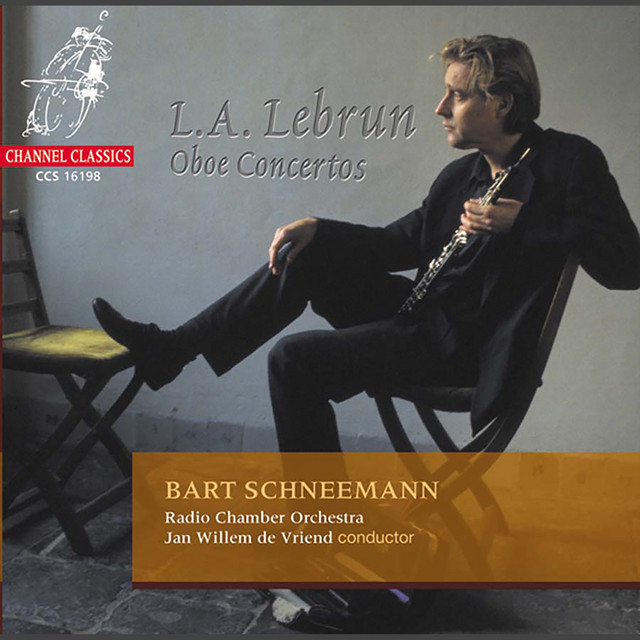
Bart Schneemann

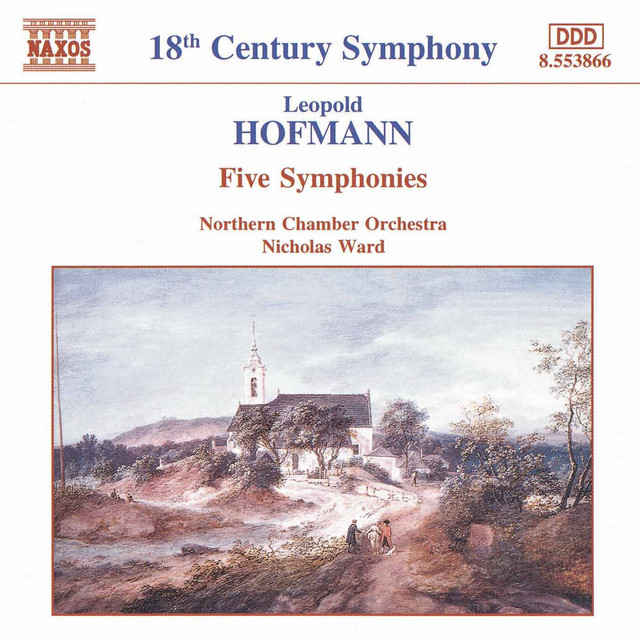
Leopold Hofmann
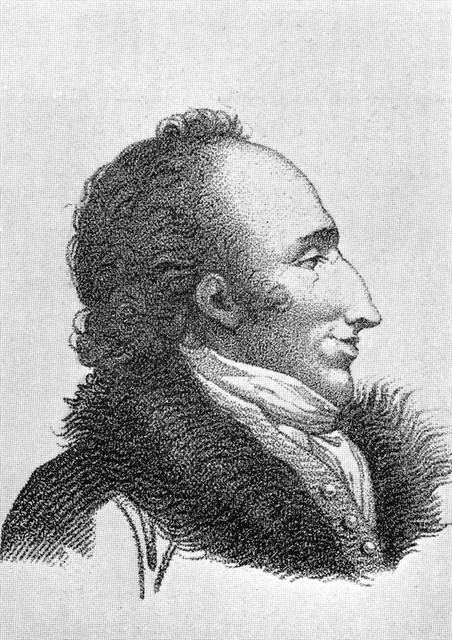
Federigo Fiorillo
Johann Wilhelm Hertel
Franz Benda
Christoph Förster
John Abraham Fisher

Wenzel Pichl


Francois Devienne
Fabrice Millischer

Samuel Arnold

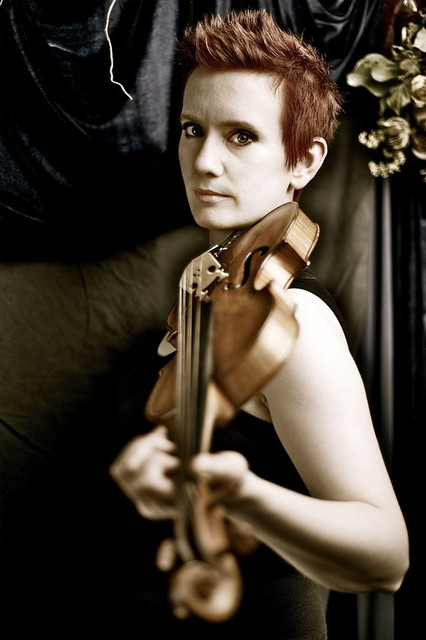
Aisslinn Nosky

William Herschel
Joseph Martin Kraus
Wolfgang Bauer
Claudi Arimany
Zdeněk Tylšar
Jennifer Stinton

Franz Ignaz Beck
Ignaz Pleyel
Dieter Klöcker
Giuseppe Maria Cambini

Paolo Tognon
András Adorján