Data may be outdated
Last updated: 2 weeks ago — Click refresh to get the latest statistics.
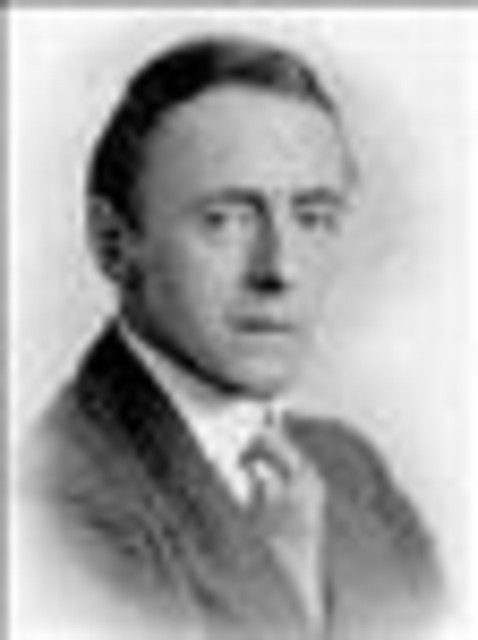
As one of the first wave of American expatriates who flocked to Paris in the 1920s, Antheil associated with many of the most important cultural figures of the day, including <a href="spotify:artist:6z99YIGDMuMBXrhiEjd5vQ">William Butler Yeats</a>, Ezra Pound, James Joyce, Pablo Picasso, and Igor Stravinsky. While in Europe, Antheil composed his most famous work, Ballet mécanique, a clangorous sonic essay requiring an extensive battery of percussion instruments including a siren, electric bells, airplane propellers, an alarm clock and eight grand pianos. It created a sensation at its initial performance in Paris (1926), but the work fell flat at its Carnegie Hall premiere in 1927, cementing Antheil's lasting reputation as the "Bad Boy of Music," a designation he would live to regret.
Spurred on by the boom in contemporary opera in Germany, Antheil wrote the score and libretto to Transatlantic, a period piece, full of jazzy rhythms and popular song parodies. His first opera to be performed in America, Helen Retires (based on the legendary Helen of Troy) failed to generate similar critical success. From the mid-'30s to his death in 1959, two interrelated currents within Antheil's output reflected the further evolution of his style. While the rhythmic vitality and harmonic tang of his early works continued to take a central role, Antheil's increasing involvement with film work and his "rediscovery" of the symphonic tradition embodied in the works of Beethoven and <a href="spotify:artist:2ANtgfhQkKpsW6EYSDqldz">Mahler</a> signaled new stylistic concerns and brought his works to an entirely new audience. His symphonies from this period are infused with a newly melodic, even Romantic breadth, and Antheil came under the spell of the pervasive "American" sound that dominated the music of his fellow countrymen in the 1930s and 1940s. Following in the steps of composers such as <a href="spotify:artist:0nJvyjVTb8sAULPYyA1bqU">Copland</a>, Thomson, and Harris, he began to incorporate folk-like elements and aural "wide-open landscapes" into his concert works and film scores like The Plainsman (1936) and The Fighting Kentuckian (1949). While he continued to produce a string of other film scores and keyboard, instrumental, and symphonic works, Antheil's interest in opera was reawakened after two decades with a string of operas in the early 1950s, the most successful of which was Volpone. After a long period of indifference toward his music, audiences began to rediscover Antheil's idiosyncratic talent via an increasing stream of recordings beginning in the 1970s.
George Antheil managed to sustain a productive musical career despite his involvement in an astonishing range of other endeavors. At various times, he supported the composition of "legitimate" music with more lucrative film-scoring work; wrote columns and articles for Esquire on topics ranging from war predictions to endocriminology (the study of the human glands and their relation to criminal behavior); created a syndicated romantic advice column; penned a vastly entertaining, shamelessly name-dropping autobiography, Bad Boy of Music (1947); and co-invented, with Hollywood actress Hedy Lamarr, a radio-directed torpedo that presaged by 50 years the development of digital cellular telephony.
Monthly Listeners
1,850
Monthly Listeners History
Track the evolution of monthly listeners over the last 28 days.
Followers
4,187
Followers History
Track the evolution of followers over the last 28 days.
Total Streams
1.6 million
Total Streams History
Track the evolution of total streams over the last 28 days. This data is calculated from all tracks listed in the artist's discography.
Top Cities





Related Artists


Paul Bowles
Peter Sadlo

Frédéric Devreese
Vitezslava Kaprálová
Gwendolyn Mok
Florent Schmitt

John Browning

Ernst Krenek
Oxalys

Pascal Rophé
Miloslav Kabeláč


Boris Ivanovich Tishchenko
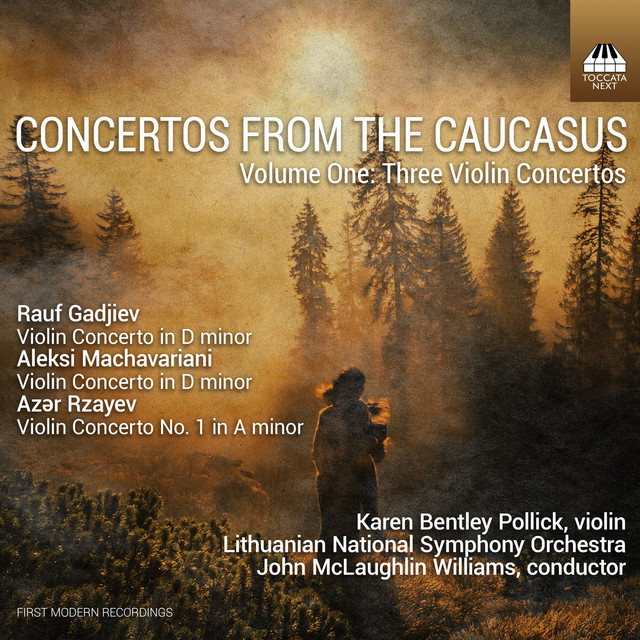
John McLaughlin Williams
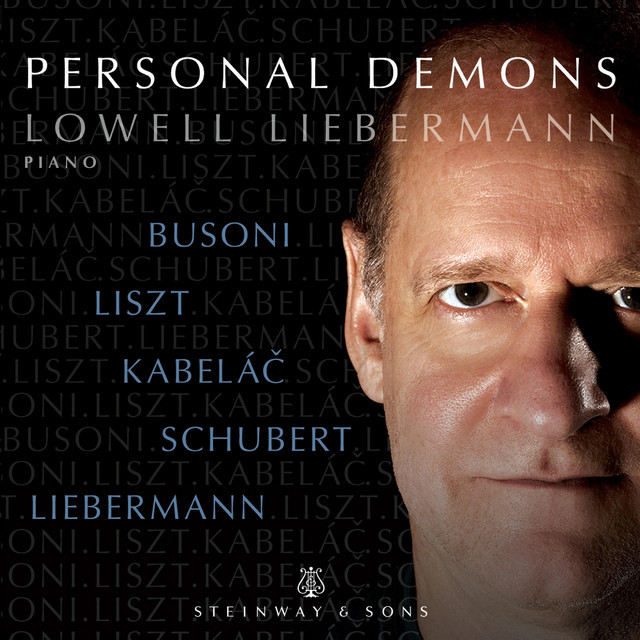
Lowell Liebermann


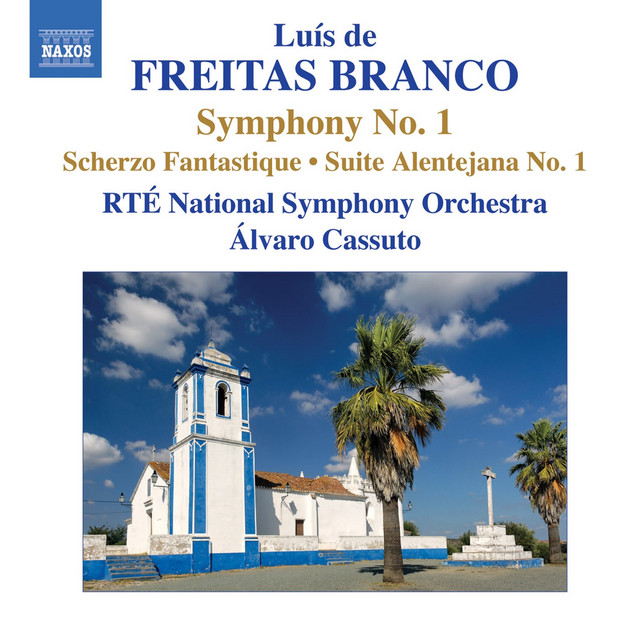
Luis de Freitas Branco
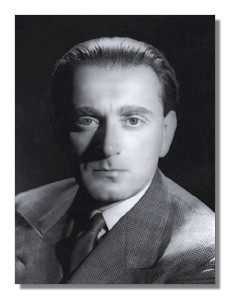
László Lajtha

Orchestre National de Belgique
György Selmeczi
Stephen Prutsman
Michał Klauza
Eastman-Rochester Orchestra
Junge Deutsche Philharmonie

Ellen Taaffe Zwilich
Rhys Owens

Liepāja Symphony Orchestra